Tetouan Travel Guide
Morocco’s Andalusian Cultural Jewel
Introduction
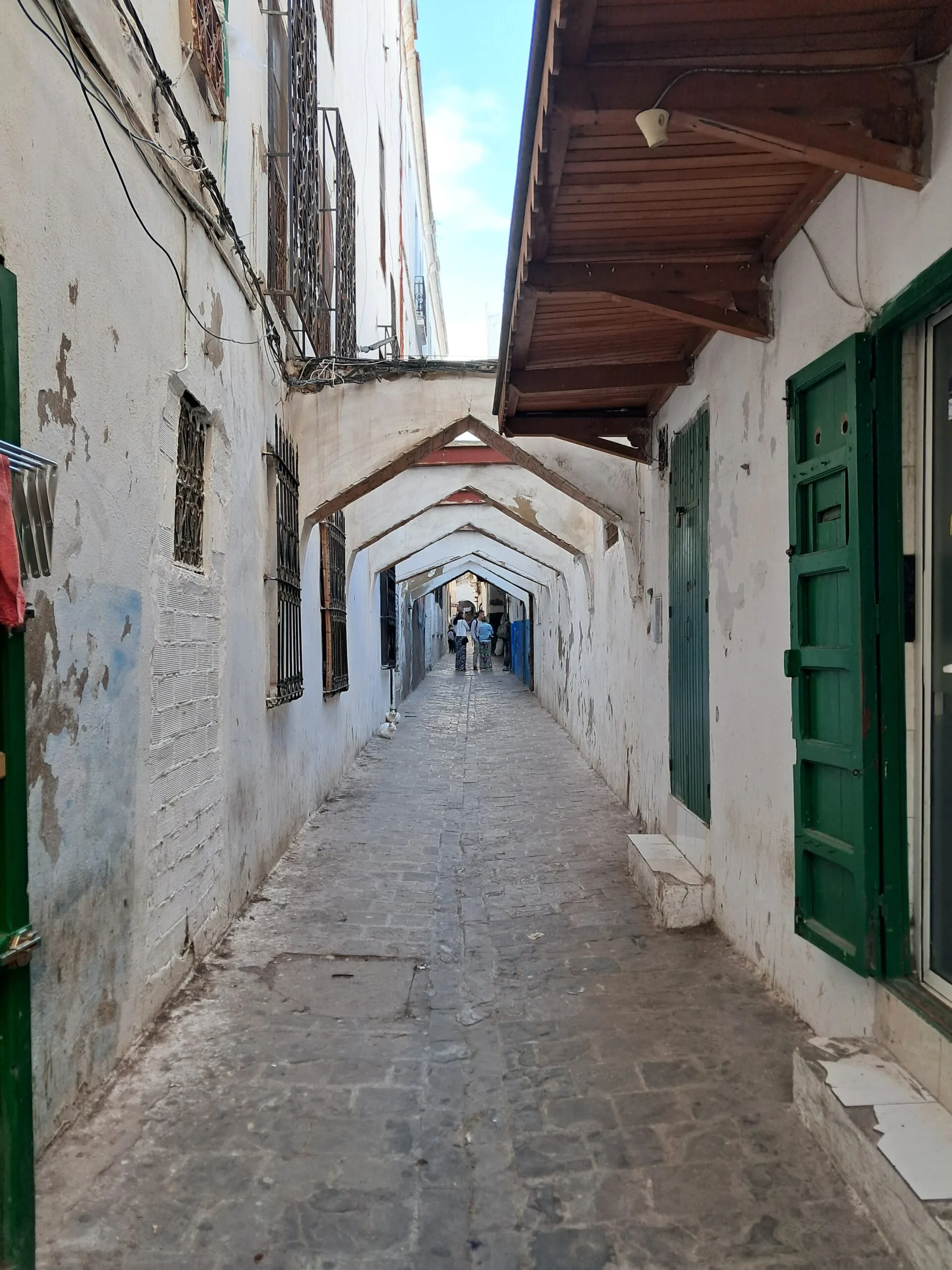
Walk along the pristine, whitewashed stone streets of Tetouan, where the dramatic slopes of the Rif Mountains frame a beautifully preserved Andalusian-Moorish heritage. Located just **60 kilometers** east of Tangier and a short drive from the Mediterranean coast, this historic capital of the former Spanish protectorate serves as a cultural bridge between Morocco and Spain. It is a destination characterized by a spectacular UNESCO World Heritage-listed medina, a grand Spanish Ensanche quarter built in the early 20th century, and a quiet, artistic atmosphere where Andalusian music still echoes through tiled courtyards.
This scenic enclave is perfect for architecture enthusiasts, history buffs, and art collectors who want a deep, authentic look at Morocco’s northern Andalusian history without the heavy commercialization of busier tourist hubs. The vibe is quiet, refined, and distinctly northern, filled with the aroma of freshly baked bread, the clean mountain air, and the gentle chatter of Spanish and Arabic in outdoor cafes. While the city remains a major hub for traditional arts and crafts, visitors who explore its boundaries will discover beautifully tiled palace ruins, thriving artisan schools, and the scenic beaches of Tamuda Bay nearby.
Quick Facts
| Region | Tanger-Tetouan-Al Hoceima |
| Best time to visit | September to November (pleasant autumn days) or March to May (mild spring temperatures for exploring) |
| Language | Moroccan Arabic (Darija), Spanish, French, English |
| Currency | Moroccan Dirham (MAD) |
| Known for | Andalusian architecture, UNESCO-listed medina, Spanish Ensanche, traditional crafts |
| Day trips | Chefchaouen blue city (**60 km**), M’diq beach resort (**15 km**), Tangier gateway (**60 km**) |
Top Things To Do in Tetouan
The UNESCO-Listed Medina of Tetouan
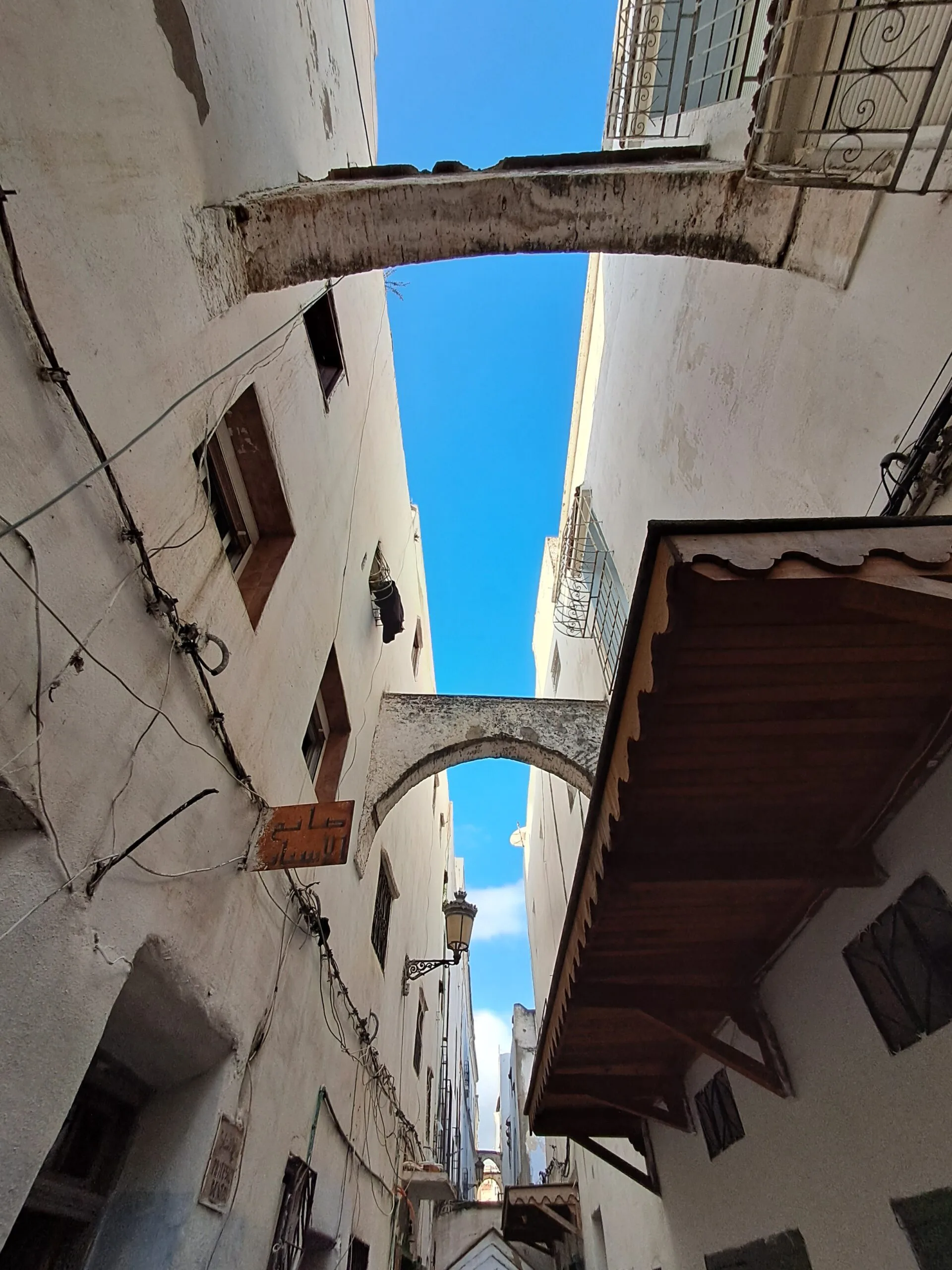
Tetouan’s medina is widely considered one of the most complete and untouched historic town centers in Morocco, constructed by Andalusian refugees in the 15th century. The narrow streets are lined with whitewashed houses decorated with green tiled roofs, wrought-iron window grates, and beautifully carved wooden doors. Unlike other Moroccan medinas, the lanes are divided into distinct trade quarters, selling traditional Berber blankets, brassware, and leather goods.
Insider tip: Walk down the quiet residential lanes of the Al-Ayun neighborhood to see the detailed Andalusian tiling on the private arches.
The Spanish Ensanche (El Ensanche)
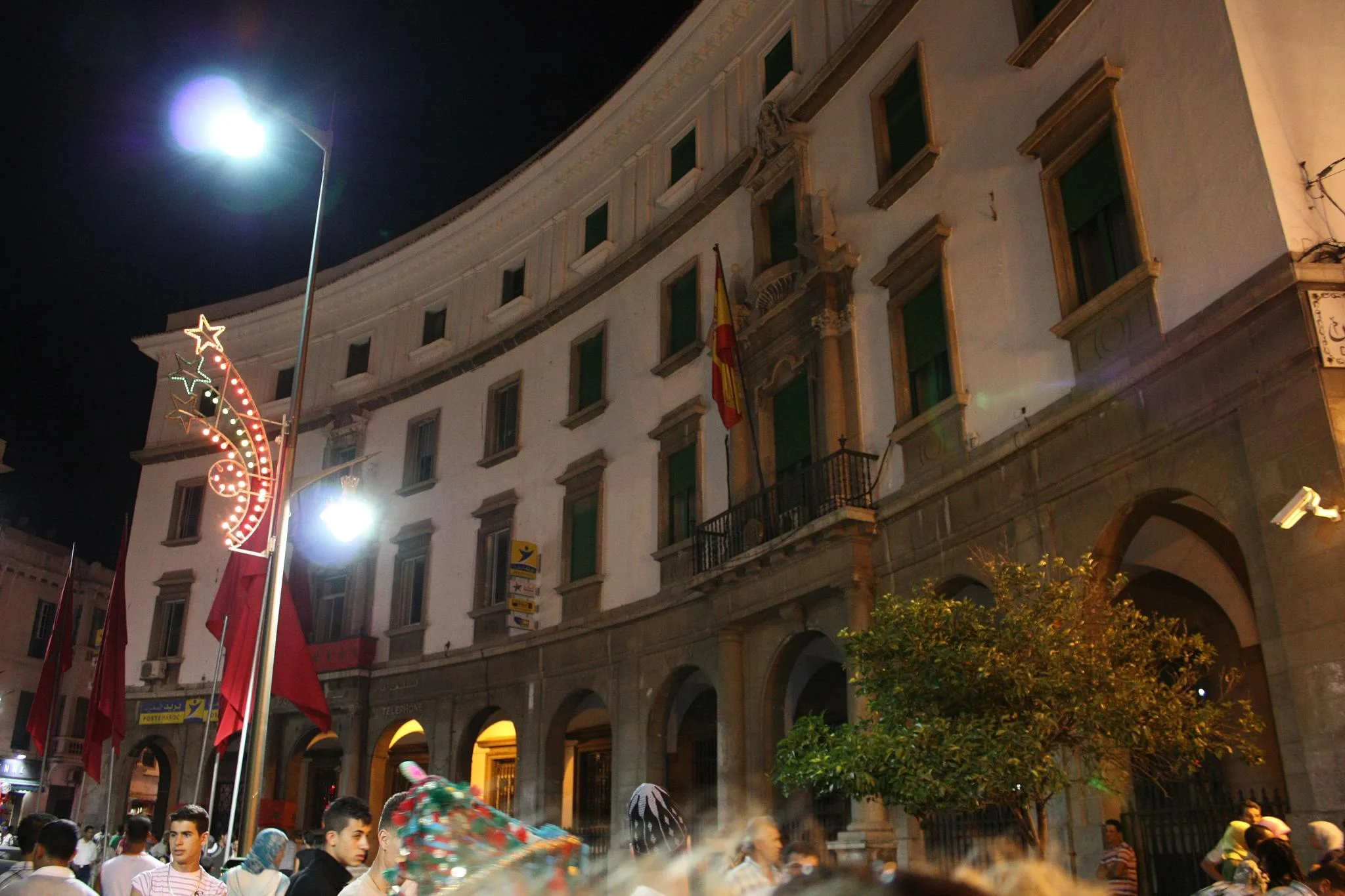
Built during the Spanish protectorate era in the early 20th century, this grand European quarter features wide, tree-lined boulevards and white colonial buildings. The architecture represents a unique blend of Spanish colonial design and Moorish decoration, centered around the lively Plaza Moulay El Mehdi. The streets are filled with outdoor cafes serving Spanish-style churros and hot coffee.
Insider tip: Visit the historic Cervantes Theater to admire its grand early 20th-century facade and art deco lettering.
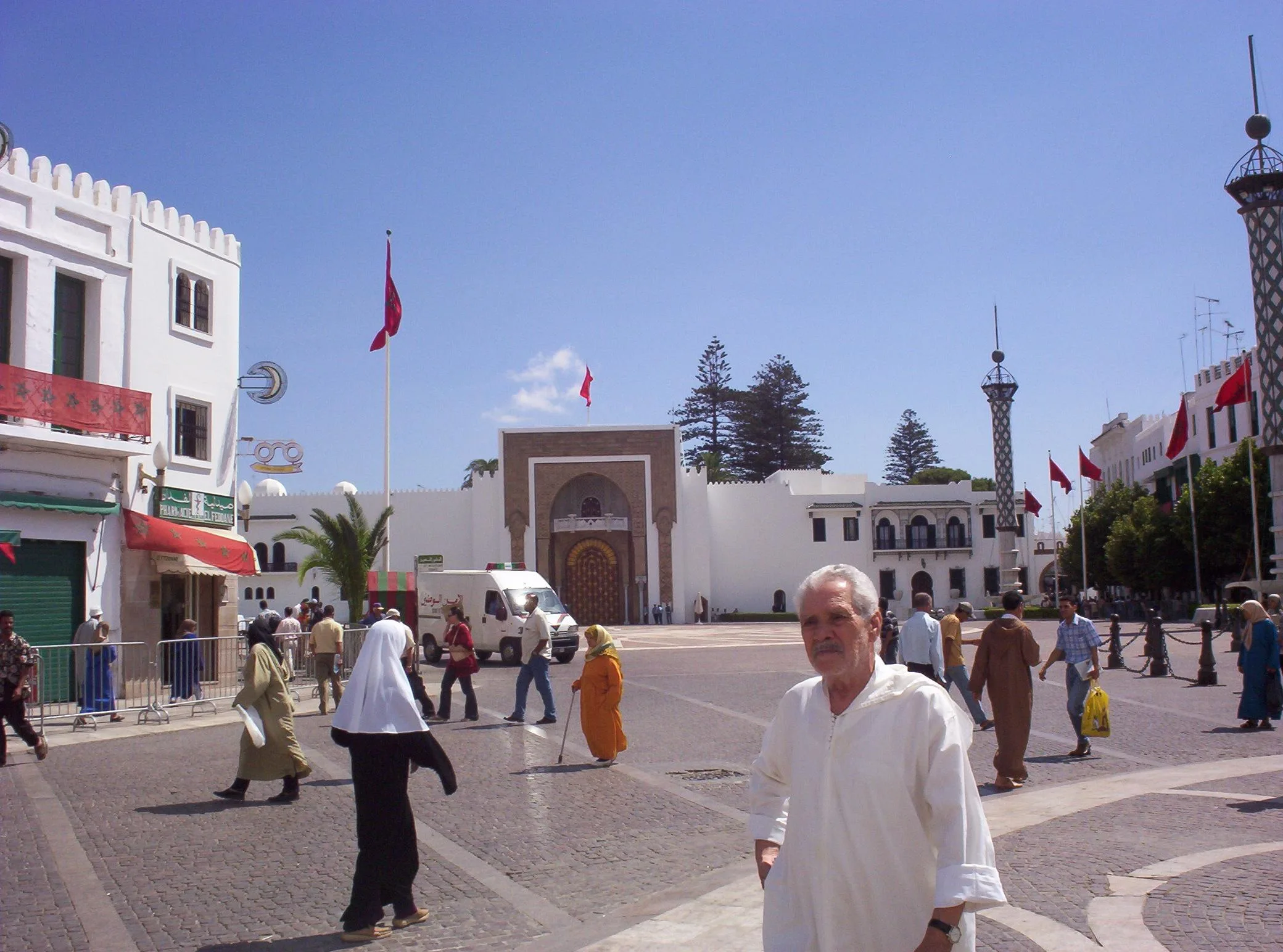
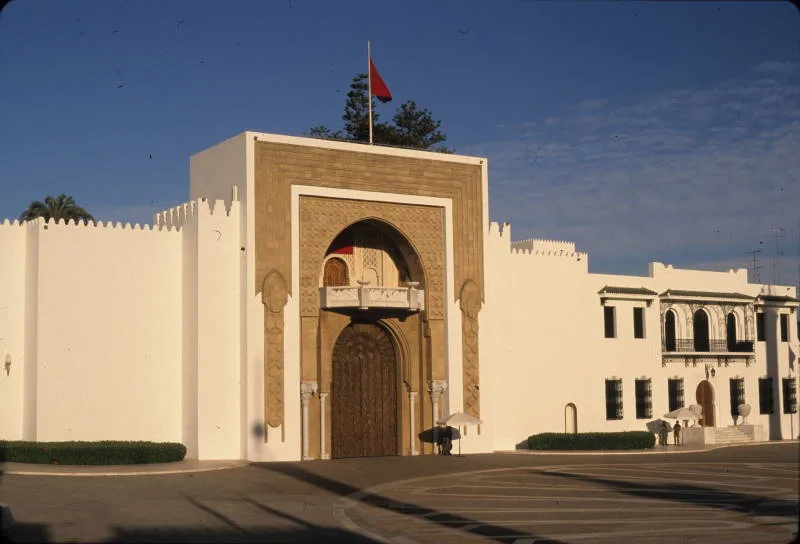
The Royal Palace & Place Hassan II
This grand plaza serves as the primary meeting spot connecting the old medina with the modern Spanish Ensanche, dominated by the majestic Royal Palace of Tetouan. While visitors cannot enter the palace buildings, the exterior features towering yellow stone gates, decorative arches, and manicured guard posts in traditional red uniforms. The plaza itself is a popular spot for evening walks and public gatherings.
Insider tip: Visit in the evening when the palace gates are beautifully illuminated by spotlights, creating a majestic backdrop for photos.
Tetouan School of Arts and Crafts (Dar Sanaa)
Located opposite the Bab el-Okla gate, this historic school (Dar Sanaa) has been teaching traditional Moroccan and Andalusian crafts since **1919**. Visitors can walk through the open courtyards to watch young apprentices learning wood carving, plaster sculpting, zellige tiling, and hand-painted chest decoration. The school plays a vital role in preserving the city’s unique artistic heritage.
Insider tip: The entry fee is only 10-20 MAD; hire a student guide to explain the different artistic techniques.
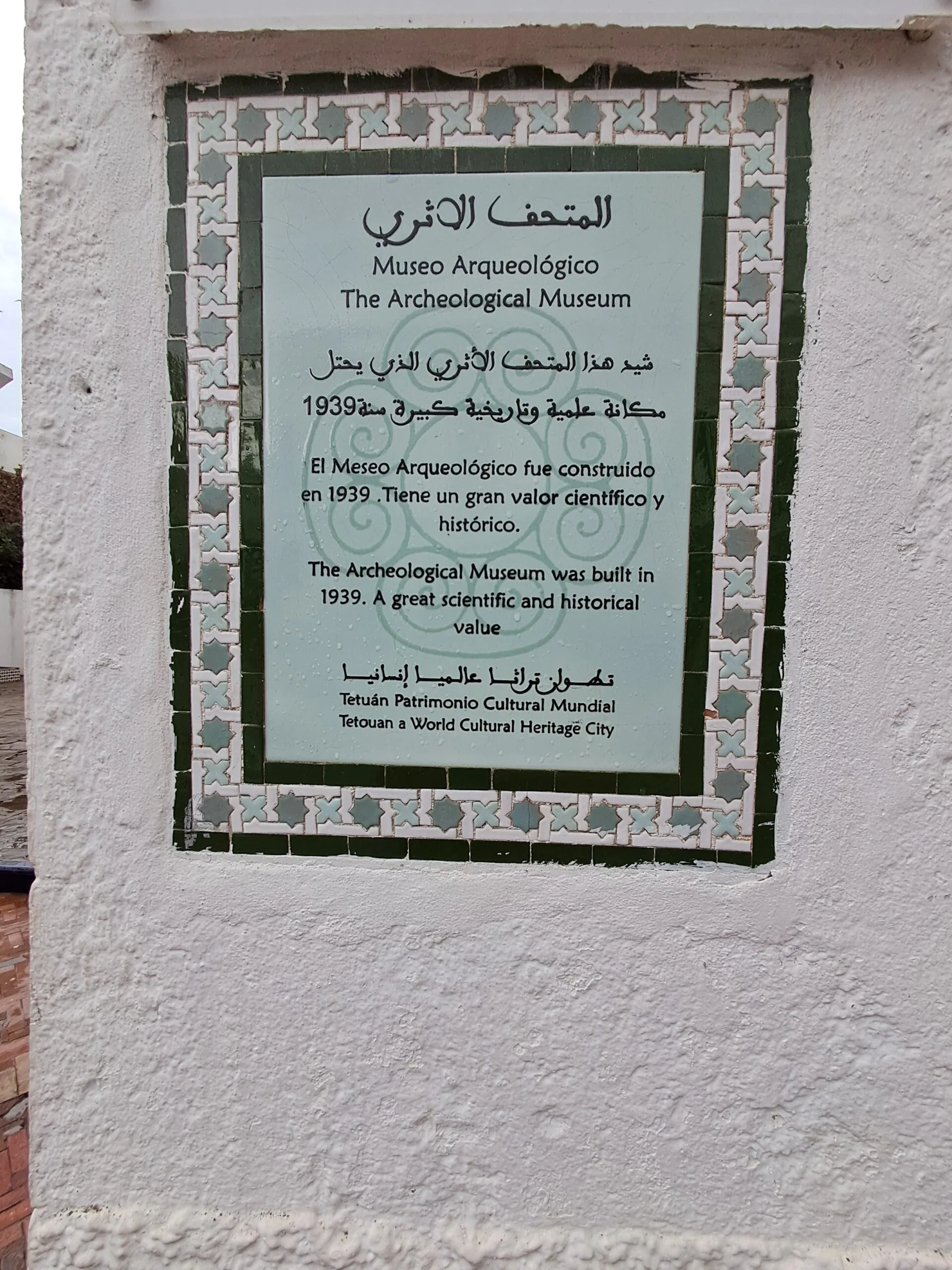
Archaeological Museum of Tetouan
Located near the medina entrance, this small museum houses a remarkable collection of artifacts from northern Morocco, including prehistoric, Roman, and Islamic remains. The museum features stunning Roman mosaics excavated from the nearby ancient site of Lixus and Tamuda, alongside historic coins and pottery. It offers a fascinating, quiet look at the region’s ancient multicultural history.
Insider tip: Take time to admire the beautiful Roman mosaic of the Three Graces displayed in the main exhibition hall.
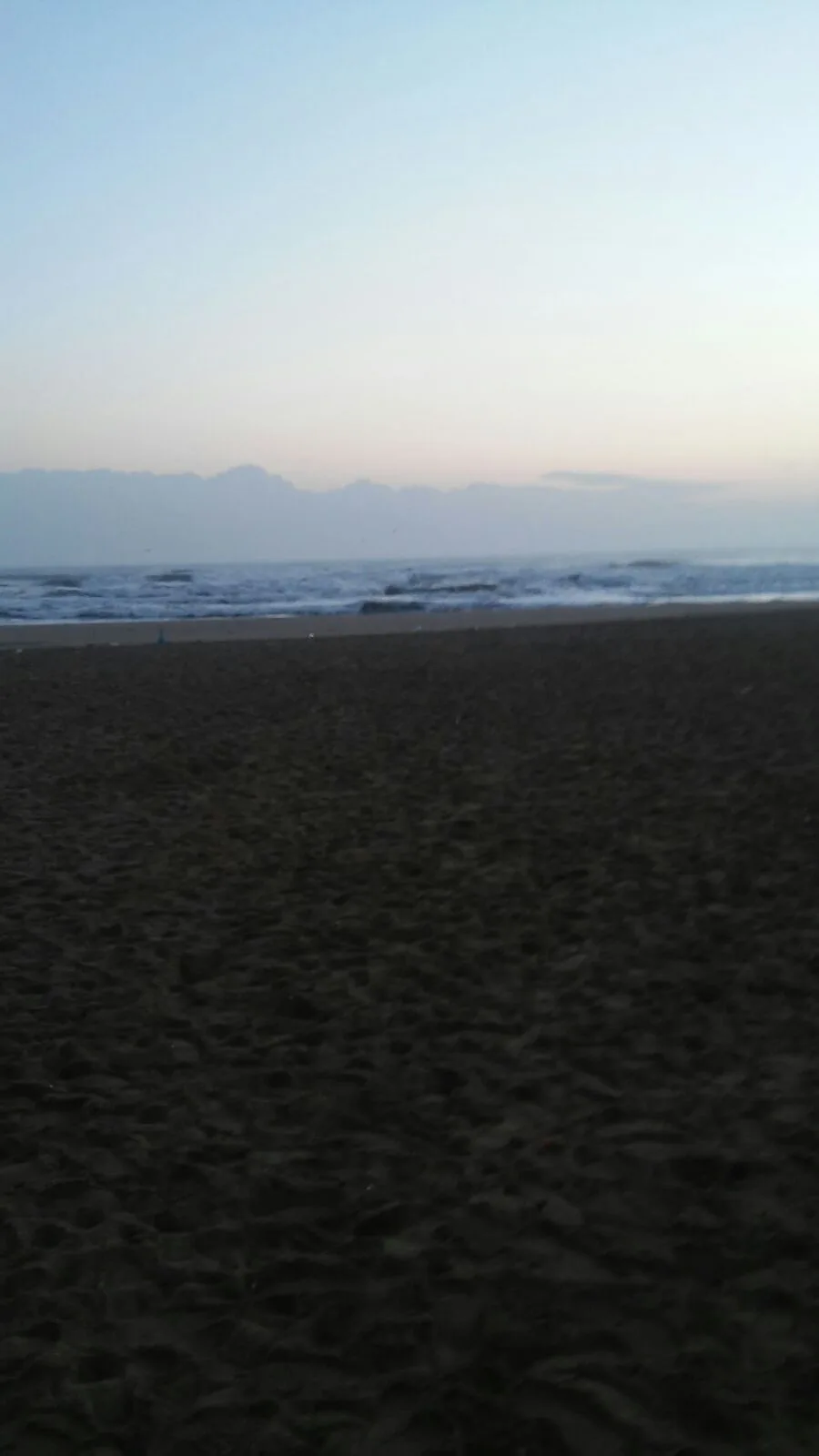
Tamuda Bay Beaches (Day Trip)
Located just **15 km** northeast of Tetouan, this spectacular stretch of Mediterranean coastline features clean sandy beaches and luxury resorts. The bay offers a popular summer escape for swimming, windsurfing, and seaside dining, bordered by the Rif Mountains. It represents a modern contrast to the historic city center.
Insider tip: Visit the resort town of M’diq in the late afternoon to enjoy fresh grilled sardines directly from the harbor stalls.
Best Time To Visit
Tetouan enjoys a mild, Mediterranean climate moderated by its proximity to both the Rif Mountains and the Mediterranean Sea. Spring (March to May) is a beautiful season, with daytime temperatures averaging 20°C and the surrounding mountain valleys covered in green wildflowers. Autumn (September to November) brings pleasant, sunny days averaging 22°C to 24°C, ideal for exploring the steep medina lanes without the heat.
Summer (June to August) is warm and sunny (averaging 28°C), attracting crowds of domestic tourists to the nearby beaches of Tamuda Bay. While it is perfect for coastal activities, the city center remains comfortable due to the cool mountain winds. Winter (December to February) is cool and damp, with temperatures averaging 14°C and regular mountain rain, requiring warm layers and umbrellas. We recommend visiting in October to enjoy mild temperatures, clear days, and comfortable conditions for sightseeing.
How To Get There
By Plane
Tetouan is served by **Tetouan Sania Ramel Airport (TTU)**, located **6 km** northeast of the city center. The airport receives domestic flights from Casablanca and seasonal direct flights from Europe. A licensed grand taxi from the airport to the city center costs a flat rate of **50 MAD** during the day. Alternatively, take a grand taxi from the main road outside the gate.
By Train
There are **no rail lines** leading to Tetouan. The nearest train station is located in Tangier. From Tangier, you must buy a ticket for the high-speed Al Boraq train to Tangier, then transfer to a Supratours bus or hire a grand taxi to complete the **60 km** journey to Tetouan.
By Bus
Long-distance buses run daily from major cities. The premium operator **CTM** runs direct daily buses from Tangier (**1 hour**, **30 MAD to 40 MAD**), Chefchaouen (**1.5 hours**, **40 MAD**), and Casablanca (**6 hours**, **150 MAD**).
By Car
If you drive, Tetouan is reached via the **N2 national road** from Tangier or the **N13 road** from Chefchaouen. The drive from Tangier covers **60 km** of excellent four-lane road, taking approximately **1 hour**. Driving from Chefchaouen covers **60 km** of winding mountain roads and takes **1.2 hours**.
Where To Stay
Budget (under 300 MAD/night)
For budget accommodations, explore the residential alleys of the **medina** near Bab el-Okla or look for simple guesthouses in the **Ensanche quarter**. These central areas offer authentic character and easy walks to the main sights. Look for properties that include breakfast and rooftop terraces.
- Riad Dalia: Located inside the medina walls, this friendly, budget-friendly riad offers clean double rooms, local hospitality, and a quiet terrace starting around **250 MAD** per night.
- Hotel Regina: Positioned in the Spanish Ensanche, this historic budget hotel offers classic colonial design and comfortable rooms starting at **220 MAD** per night.
Mid-range (300-800 MAD/night)
The best area for mid-range stays is the **Quartier Feddane** or the **residential quarter** near the Archaeological Museum. Here, you will find modern hotels offering spacious air-conditioned rooms, Wi-Fi, and cooked breakfasts.
- Riad Blanco: Housed in a beautifully restored 19th-century medina house, featuring traditional courtyard gardens, elegant rooms, and an excellent restaurant starting at **550 MAD** per night.
- Hotel Prestige Tetouan: Positioned in the modern quarter, offering spacious rooms with mountain views, a pool, and excellent dining starting around **650 MAD** per night.
Luxury (800+ MAD/night)
For luxury, seek out premium resorts located in the nearby **Tamuda Bay** beachfront or luxury boutique riads inside the **historic center**. Staying here guarantees spacious suites, heated swimming pools, world-class spas offering hammam treatments, and fine dining.
- Banyan Tree Cabo Negro: A spectacular luxury resort located on the coast, featuring private pool villas, a high-end spa, and gourmet restaurants starting at **2,800 MAD** per night.
- Riad El Reducto: A luxury riad housed in a former Spanish aristocratic residence, featuring elegant suites, customized service, and premium hammam facilities starting at **1,200 MAD** per night.
Where To Eat & Local Food
Tetouan’s cuisine is a delicious mix of Spanish-Mediterranean recipes and traditional northern Moroccan dishes. Do not miss:
- Pastilla Tetouania: A unique local version of the sweet and savory pie, featuring shredded chicken, almonds, and a light cinnamon dusting.
- Tagine de Poisson (Fish Tagine): A rich, slow-cooked fish tagine prepared with fresh Mediterranean sea bass, potatoes, olives, and chermoula.
- B’ssara: A thick, savory fava bean soup drizzled with olive oil, cumin, and garlic, served with fresh warm bread.
- Churros with Chocolate: Traditional Spanish-style fried dough pastry served hot with thick dipping chocolate, a favorite Ensanche breakfast.
For dining, avoid the tourist-heavy restaurants directly opposite the Royal Palace, which charge high prices for average food. Instead, head to the local grill cafes in the **Ensanche plaza** for fresh meat skewers, or explore the simple eateries in the **medina alleys** for authentic tagines. Always buy fresh local cheese (Jben) wrapped in palm leaves from the market stalls.
Practical Tips
- Safety: Tetouan is exceptionally safe for tourists, with a very low crime rate. Be aware of pickpocketing in crowded markets, and ignore unofficial guides who offer “free” tours of the kasbahs.
- Dress Code: The region is traditional and conservative. Dress respectfully by covering your shoulders and knees when exploring the town, medina, and local villages; avoid tight or revealing clothing.
- Best Neighborhoods: Stroll the historic **Medina** for architecture, explore the **Ensanche** for cafes, and walk the **Mellah** neighborhood for local history.
- Getting Around: The town center is compact and flat, making it easy to walk. To travel to the beaches or airport, use the yellow **Petit Taxis** which run on meters, costing **10 MAD to 15 MAD** within the city.
- Tipping: Tipping is common. Leave **5% to 10%** at casual cafes and restaurants, and round up the bill for taxi drivers.
- Useful Phrases: Use **”Shokran”** (Thank you), **”Bshal?”** (How much?), and **”Sbah lkhayr”** (Good morning) to communicate.
- What to Avoid: Avoid taking photos of government buildings, police officers, or military checkpoints, as this is strictly prohibited. Avoid entering active mosques unless you are Muslim, as they are closed to non-Muslims.
Planning Your First Trip with Klook?
Use the link below to sign up and book your activities with Klook to claim exclusive discounts and promo offers on your tours.
Claim Discount & Book NowFrequently Asked Questions
Q: Is tetouan safe for tourists?
A: Yes, Tetouan is exceptionally safe for tourists, with a very low crime rate and a quiet, welcoming atmosphere. Solo travelers and families can comfortably walk the town center at night without safety concerns.
Q: How many days do I need in tetouan?
A: You need two days to explore the main sights, including the UNESCO-listed medina, the Spanish Ensanche, and the School of Arts and Crafts. If you plan to take day trips to the beaches of Tamuda Bay or Chefchaouen, extend your stay to three days.
Q: What is tetouan known for?
A: Tetouan is famous for its spectacular UNESCO World Heritage-listed medina, constructed by Andalusian refugees. It is also well-known for its Spanish Ensanche quarter and its preservation of traditional arts and crafts.
Q: What is the best time to visit tetouan?
A: The best time to visit Tetouan is from September to November or March to May when temperatures are mild and comfortable. Summer is warm and popular for beachgoers, while winter can bring rainy days.
Q: How do I get from Marrakech to tetouan?
A: You can take the train to Tangier and transfer to a direct CTM bus or taxi to Tetouan. Alternatively, you can drive via the A1 toll highway to Tangier, then take the N2 road east to Tetouan.
Q: Is tetouan worth visiting?
A: Yes, Tetouan is highly worth visiting, offering a unique, historic Andalusian-Moorish culture that contrasts with other imperial cities. It offers a peaceful, authentic look at northern Moroccan heritage and crafts.