
Chefchaouen Travel Guide
Morocco’s Dreamy Blue Mountain Pearl
Introduction
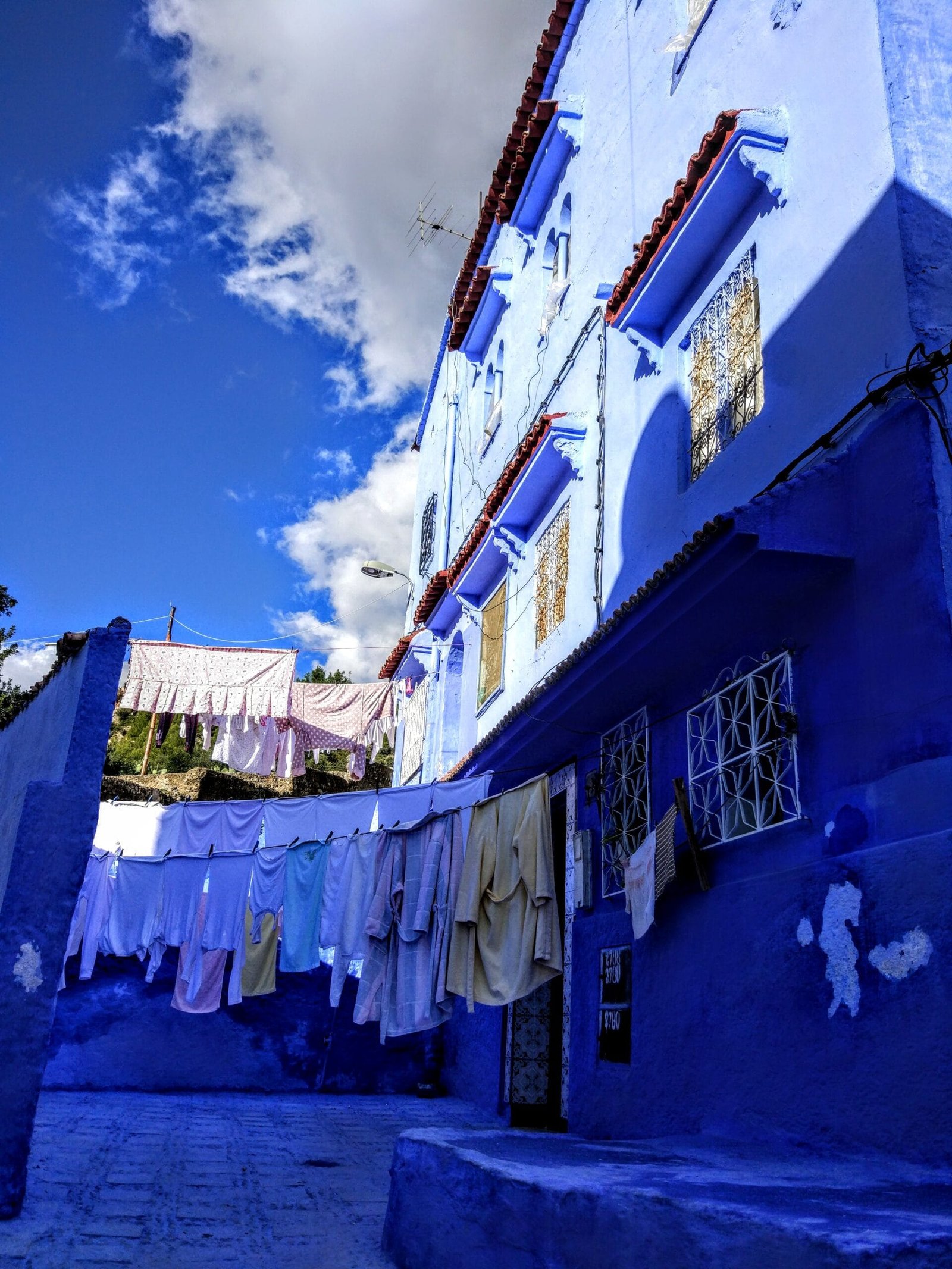
Draped dramatically across the rugged slopes of the Rif Mountains, Chefchaouen captures the imagination with its striking, dreamlike canvas of blue-washed streets and whitewashed houses. This high-altitude sanctuary, famous globally as the “Blue Pearl” of Morocco, offers a quiet, mountain-air retreat that feels entirely distinct from the dry plains and bustling imperial cities of the south. Founded in 1471 as a fortress to fight Portuguese invasions, its peaceful pedestrian-only medina is a quiet labyrinth of cobalt, sky-blue, and indigo walls adorned with hanging flower pots and brass lamps.
This mountainous enclave is perfect for photographers, hikers, and slow-travelers who want to combine traditional Moroccan culture with outdoor adventure. The atmosphere feels deeply relaxed, mystical, and intimate, carrying a distinct Andalusian influence left by Muslim and Jewish refugees who fled Spain in the 15th century. While travelers flock here for the iconic blue photo backdrops, those who venture beyond the Instagram spots will discover friendly mountain communities, scenic hiking trails, and the soothing sounds of freshwater springs cascading down the cliffs.
Quick Facts
| Region | Tangier-Tetouan-Al Hoceima |
| Best time to visit | April to June (pleasant weather, spring blooms) or September to October (warm days, cool nights) |
| Language | Moroccan Arabic (Darija), Spanish, French |
| Currency | Moroccan Dirham (MAD) |
| Known for | Blue-washed medina streets, Rif Mountain hiking, Spanish Mosque, artisan weaving |
| Day trips | Akchour Waterfalls & God’s Bridge (**30 km**), Tetouan Spanish city (**65 km**), Talassemtane National Park (**15 km**) |
Top Things To Do in Chefchaouen
The Blue Medina Streets
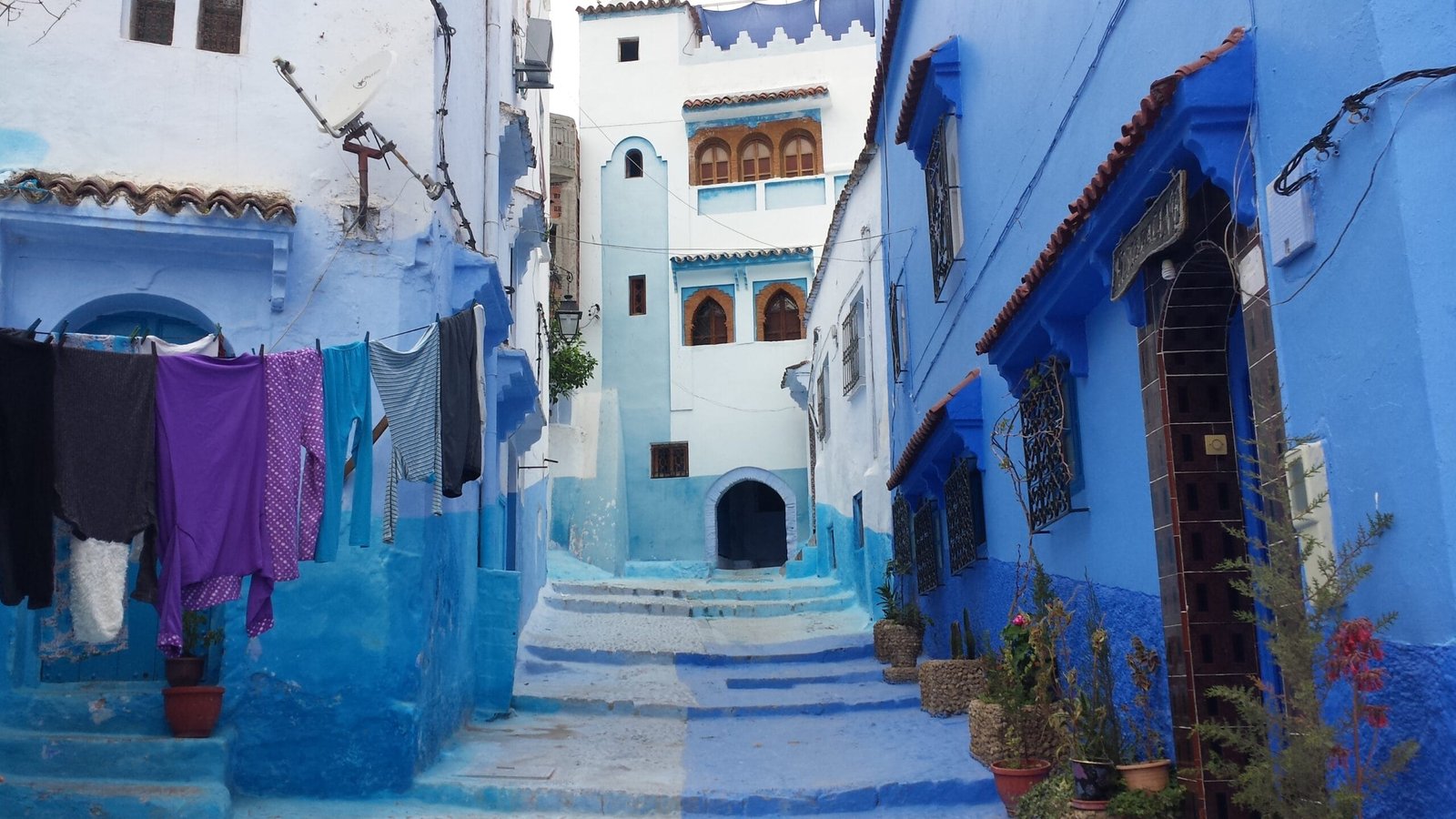
Chefchaouen’s primary attraction is its mesmerizing medina, where walls, steps, doors, and pathways are painted in various shades of blue. This blue-washing tradition is believed to have been introduced by Jewish refugees in the 1930s to represent the sky and heaven, while also acting as a natural mosquito repellent. Exploring these quiet, clean streets reveals beautiful arches, decorated wooden doors, and friendly neighborhood cats.
Insider tip: Wake up at **7:00 AM** to walk the streets before the day-trippers arrive from Tangier, giving you the entire blue medina to yourself in the soft morning light.
The Spanish Mosque (Jafaa Mosque)
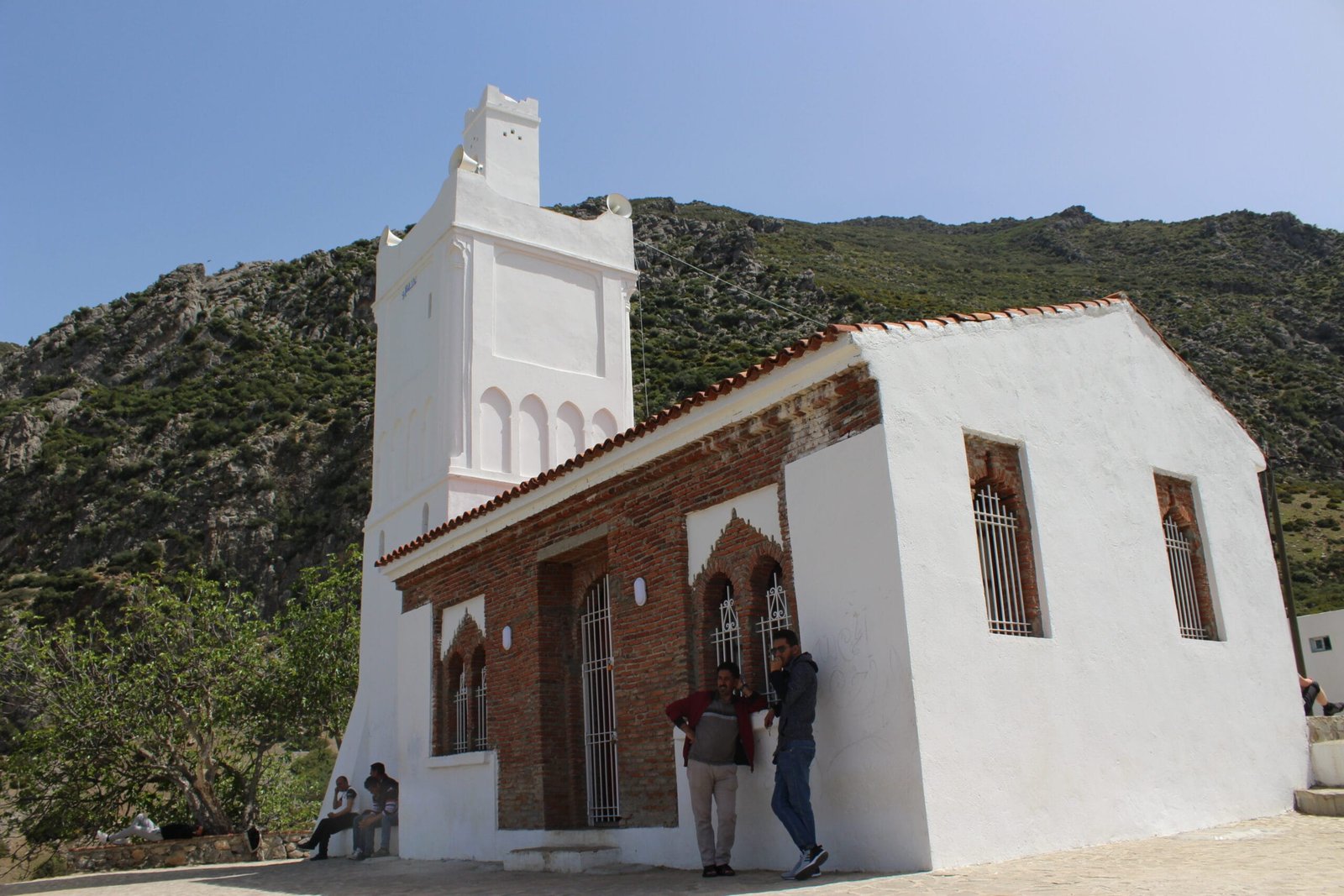
This isolated white mosque sits on a hilltop overlooking Chefchaouen, built by the Spanish in the 1920s but never actually used for worship. The short **45-minute hike** up a gravel pathway from Ras el-Maa offers the most spectacular panoramic view of the entire blue medina nestled against the mountain peaks. It is the ultimate gathering spot in town for travelers and locals alike.
Insider tip: Walk up about **an hour before sunset** to secure a quiet spot on the hillside, and bring a headlamp for the dark walk back down.
Plaza Uta el-Hammam & The Kasbah
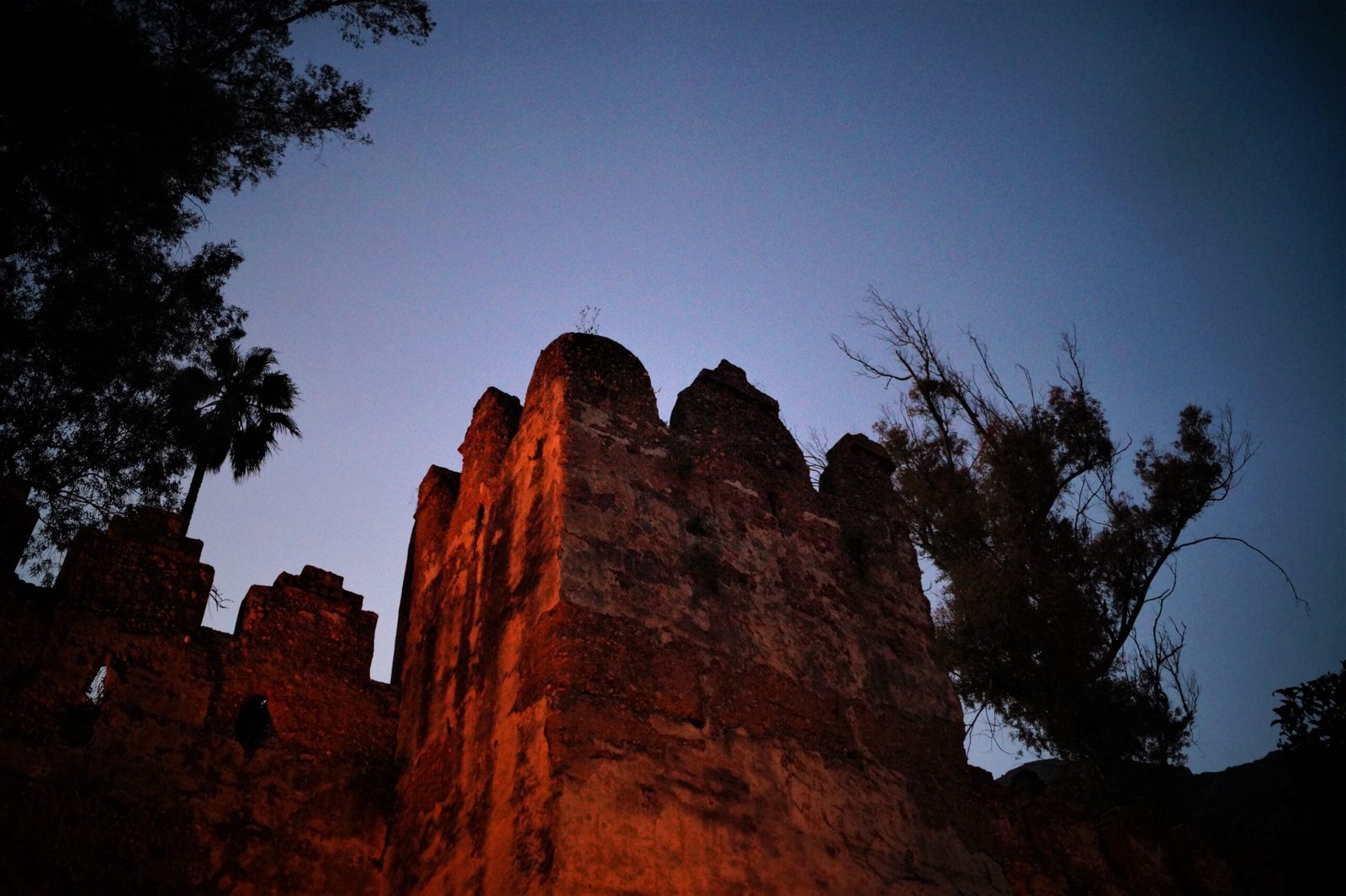
This lively main square is the social heart of Chefchaouen, filled with outdoor cafes, street performers, and towering shade trees. Facing the square is the 15th-century red-stone Kasbah, a restored fortress featuring beautiful Andalusian gardens, an ethnographic museum, and a former prison tower. Climbing the fortress towers provides excellent views over the plaza and the Grand Mosque.
Insider tip: Pay the small **60 MAD** entry fee to enter the Kasbah gardens, which offer a cool, quiet escape from the mid-day heat of the square.
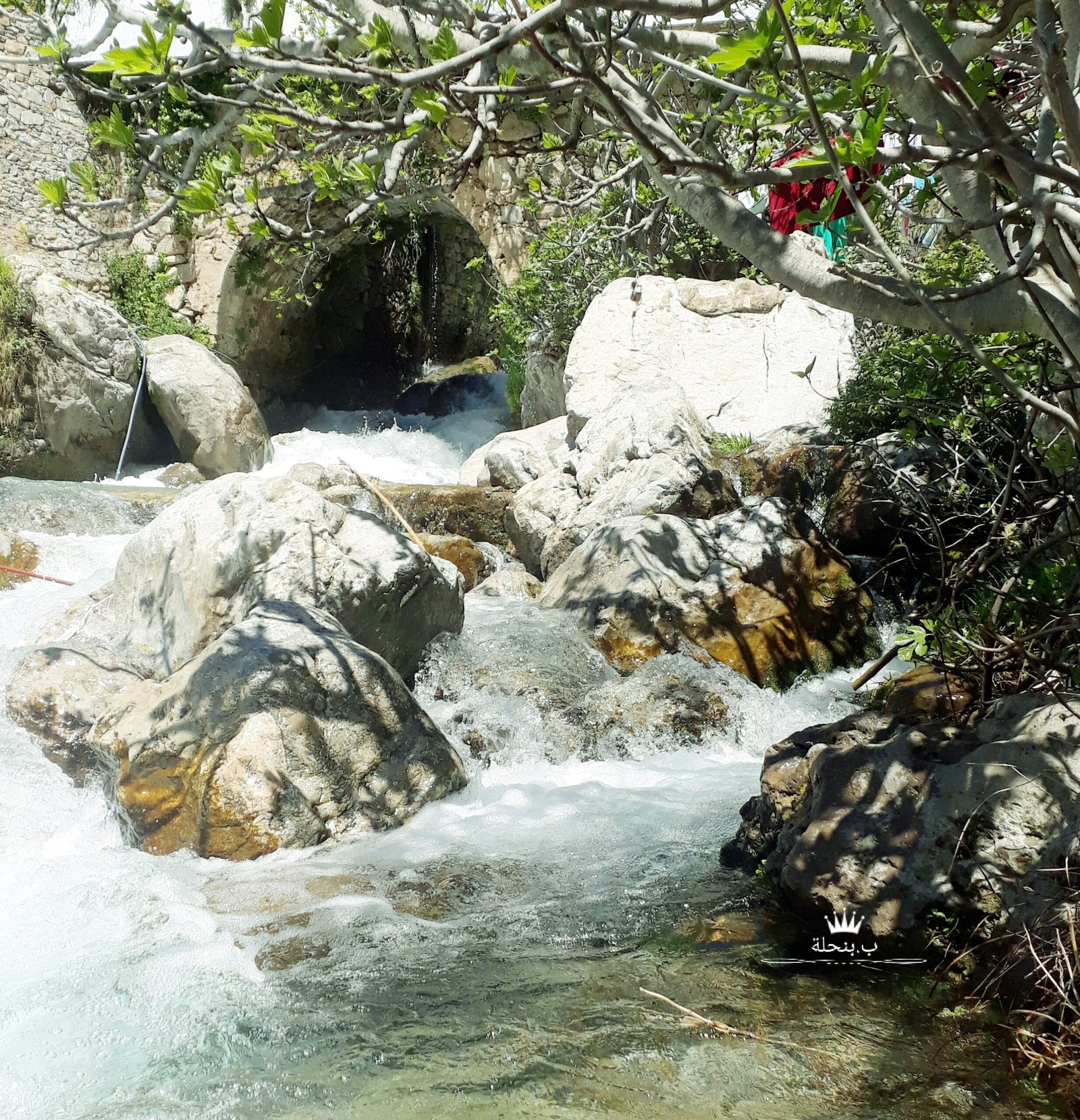
Ras el-Maa Waterfall
Located just outside the eastern gate of the medina, this fresh mountain spring cascades down the rocky hillside into a rushing stream. It serves as a social gathering spot where local families meet to chat, wash wool rugs, and cool off in the clean waters. The surrounding area is lined with small cafes where you can sit with your feet in the water.
Insider tip: Skip the overpriced restaurants right by the bridge and find the small local stalls nearby selling fresh cactus fruit (karmouss) for only **1-2 MAD** each.
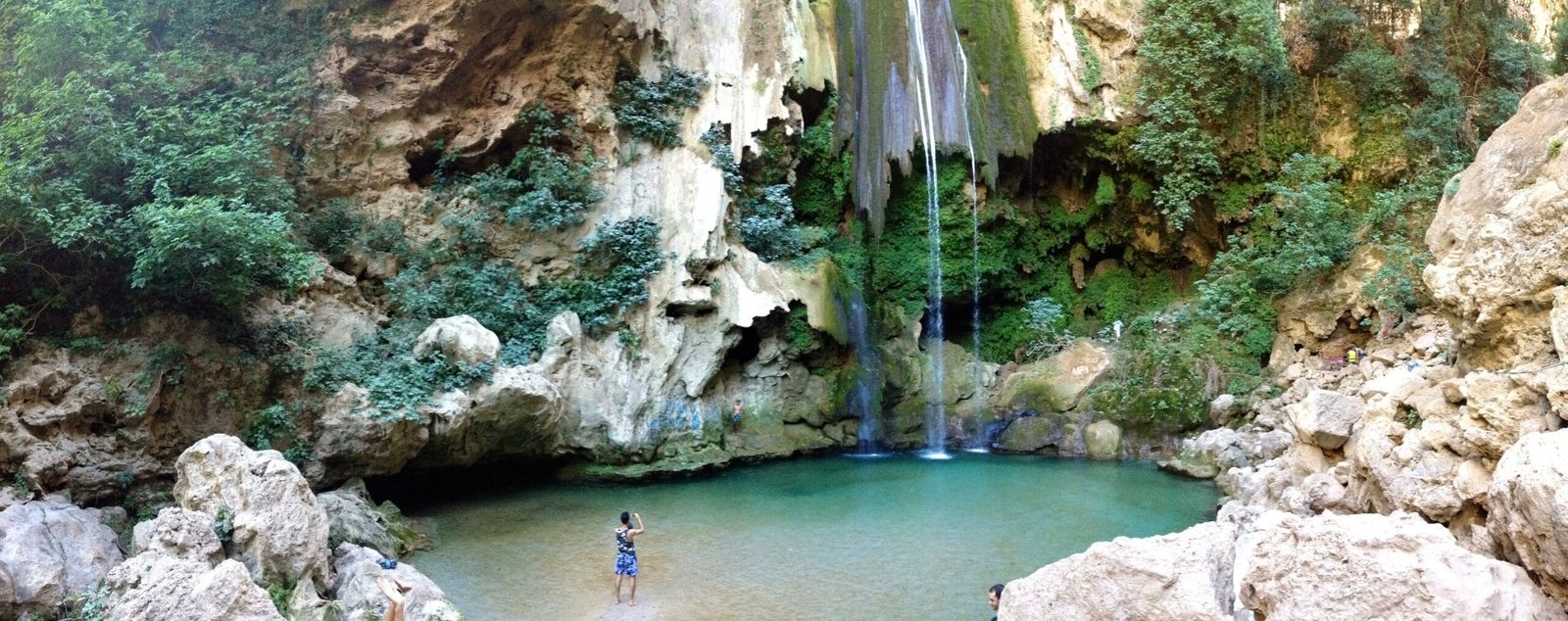
Akchour Waterfalls & God’s Bridge
Located **30 km** away in the Rif Mountains, this stunning nature park features crystal-clear emerald pools, dramatic rock canyons, and a massive natural stone arch known as God’s Bridge. A scenic two-hour trail leads to the main waterfall, while a separate, steeper path leads to the top of the bridge. It is an essential day trip for hikers and outdoor enthusiasts.
Insider tip: Hire a shared grand taxi from the Chefchaouen taxi stand to Akchour for about **25 MAD** per seat, and stop at the rustic riverside stalls for a tagine cooked over burning wood.
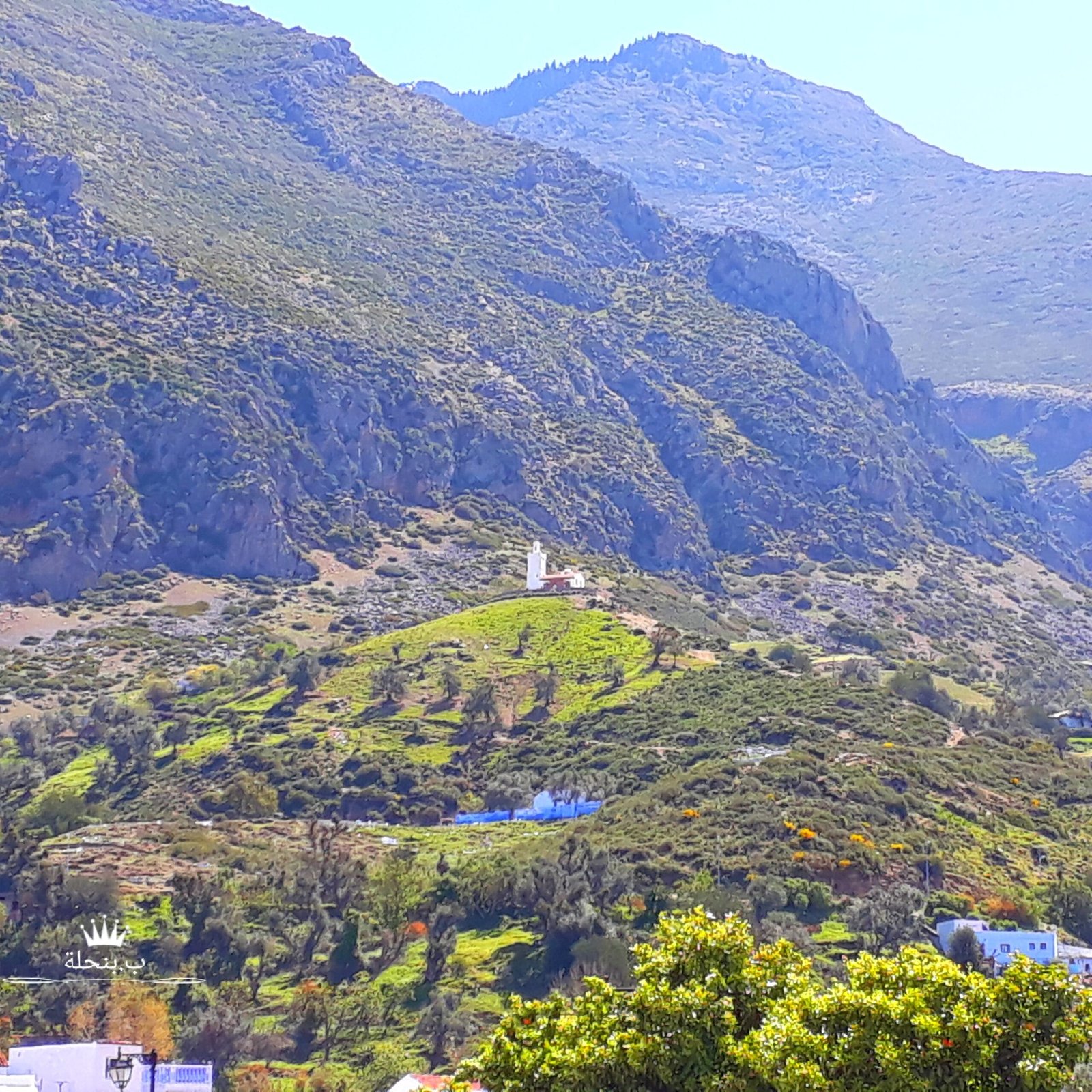
Tassemtane National Park
This expansive protected national park surrounds Chefchaouen, protecting unique fir forests, dramatic cliffs, and deep gorges. It offers multiple hiking trails ranging from short day hikes to challenging multi-day treks that connect remote Berber villages. The park is home to diverse wildlife, including Barbary macaques and eagles.
Insider tip: Hire a licensed local guide through the tourist office if you plan to do the challenging trek to Mount Tissouka, as trail markings are practically non-existent.
Best Time To Visit
Chefchaouen experiences a mountainous climate, making weather conditions vary significantly between seasons. Spring (April to June) is the absolute best time to visit, with comfortable daytime temperatures averaging 20°C to 24°C. The surrounding Rif Mountains are lush and green, wildflowers cover the valleys, and the weather is perfect for hiking.
Autumn (September to October) is another excellent window, offering warm, sunny days (averaging 22°C) and cool, cold mountain nights. Summer (July to August) brings hot days averaging 30°C to 35°C, though the mountain air remains drier than the coast. This is the peak domestic travel season, causing the medina to become highly crowded with day-trippers and hotel rates to rise. Winter (November to March) can be surprisingly cold, wet, and breezy, with temperatures dropping to 5°C at night, and occasional snow dusting the surrounding peaks. Many traditional Riads lack central heating, making warm clothing essential. We recommend visiting in May for ideal hiking conditions, pleasant temperatures, and vibrant blue walls freshly painted for the spring season.
How To Get There
By Plane
Chefchaouen has **no airport**. The closest aviation hub is **Tangier Ibn Battouta Airport (TNG)**, located **120 km** northwest of the city. A grand taxi from Tangier airport to Chefchaouen costs a flat rate of around **800 MAD** and takes **2.5 hours**. Alternatively, take a local taxi from the airport to Tangier central bus station for **120 MAD**, then board a CTM bus.
By Train
There are **no rail lines** leading into the Rif Mountains. The closest train stations are located in **Tangier** (Casa-Voyageurs connection via Al Boraq) or **Fes**. From either city, you must transfer to a bus or hire a grand taxi to complete the journey to Chefchaouen.
By Bus
Long-distance buses serve as the primary public transport link to Chefchaouen. The premium national carrier **CTM** operates multiple daily arrivals. A bus from Tangier takes **3 hours** and costs **60 MAD to 80 MAD**. Buses from Fes take **4.5 hours** (costing **90 MAD**), while the journey from Rabat takes **5 hours** and costs **120 MAD**. The bus station is located **2 km** southwest of the medina; a local taxi from the station to the medina costs **15 MAD**.
By Car
If you drive, Chefchaouen is reached via the **N2 national road** from Tangier (passing through Tetouan) or the **N13 road** from Fes. The drive from Tangier covers **115 km** and takes **2 hours** of driving. Driving from Fes covers **200 km** through scenic mountain passes, taking **3.5 hours**.
Where To Stay
Budget (under 300 MAD/night)
For budget accommodations, seek out small guest houses (Dars) in the **upper medina** near Bab el-Mahrouk. This area is quieter and less commercialized than the central plaza. Look for properties that offer simple private rooms, shared bathrooms, and sunny rooftop terraces overlooking the blue rooftops.
- Dar l’Oussa: A lovely, budget-friendly guest house inside the medina, featuring traditional colorful decor, clean rooms, and an excellent rooftop terrace starting at **220 MAD** per night.
- Hostel Baraka: Positioned near the medina entrance, this popular hostel offers clean dorms, private double rooms, and a welcoming community atmosphere starting around **150 MAD** per night.
Mid-range (300-800 MAD/night)
The best area for mid-range stays is the **Souika neighborhood** or the streets surrounding **Plaza Uta el-Hammam**. Here, you can find beautifully restored Riads featuring private bathrooms, air conditioning, traditional fireplaces, and cooked breakfasts served on scenic rooftops.
- Riad Hicham: Located right on Uta el-Hammam square, this riad features traditional Andalusian decor, spacious rooms, and an on-site restaurant starting at **550 MAD** per night.
- Dar Meziana: A highly rated guest house nestled in a quiet alley, offering beautifully decorated rooms, authentic plasterwork, and a delicious homemade breakfast starting around **650 MAD** per night.
Luxury (800+ MAD/night)
For luxury, seek boutique hotels located on the **edges of the medina** or on the surrounding hills. Staying here offers spacious suites, private terraces with panoramic views, traditional hammam services, and heated swimming pools.
- Lina Riad & Spa: A spectacular boutique riad in the heart of the medina, featuring a heated indoor pool, a luxury spa, and elegant suites with views over the mountains, starting at **1,400 MAD** per night.
- Riad Cherifa: An upscale riad located in the Andalusian quarter, offering an outdoor pool, spacious air-conditioned rooms, and exceptional service starting at **1,100 MAD** per night.
Where To Eat & Local Food
Chefchaouen’s cuisine is heavily influenced by Rif Mountain agriculture and Andalusian heritage. Do not miss these local dishes:
- Baissour: A thick, velvety split-pea or fava bean soup served warm in clay bowls, topped with olive oil, cumin, chili flakes, and hot oven-baked bread.
- Goat Cheese (Jben): The Souss and Rif mountains are famous for fresh goat cheese. It is served fresh for breakfast, wrapped in palm leaves, or baked inside savory tajines.
- Chefchaouen Tajine: A traditional mountain tajine cooked slowly over charcoal, combining goat meat or lamb with dried prunes, almonds, and local mountain honey.
- Harira: A rich soup of chickpeas, lentils, and tomatoes, flavored with fresh coriander and ginger, popular for quick dinners.
For dining, avoid the tourist restaurants directly lining Plaza Uta el-Hammam, which charge high prices for average food. Instead, head to the local cafes in the **Souika neighborhood** or the simple food stalls near the **Bab el-Ain gate**, where you can find authentic wood-fired ovens baking fresh bread and local stews. Another excellent area is the **residential new town**, which is packed with local grills serving fresh skewers and salads. Always check if the restaurant uses organic olive oil from the local Rif cooperative, and purchase fresh mountain figs from street sellers.
Practical Tips
- Safety: Chefchaouen is exceptionally safe and has one of the lowest crime rates in Morocco. However, you should ignore aggressive sellers offering tours of marijuana farms (locally called Kif) in the surrounding mountains, as these tours are unofficial and can lead to safety risks.
- Dress Code: While the city is accustomed to tourists, the Rif region remains culturally conservative. Dress respectfully by covering your shoulders and knees when exploring the medina and mountain villages.
- Best Neighborhoods: Walk through the peaceful lanes of the **Al-Andalus district** for local architecture, stroll the busy **Souika** for shopping, and explore the **Rif foothills** for natural views.
- Getting Around: The medina is entirely pedestrian-only and steep, meaning you must explore it on foot. Wear sturdy shoes with good grip. For travel to the bus station or Akchour, use the blue **Petit Taxis**, which run on fixed fares around **15 MAD to 20 MAD**.
- Tipping: Tipping is common. Leave **5% to 10%** at casual cafes and restaurants, and round up the bill for taxi drivers.
- Useful Phrases: Use **”Shokran”** (Thank you), **”Bshal hada?”** (How much is this?), and **”La, Shokran”** (No, thank you) to communicate with locals.
- What to Avoid: Avoid taking photos of local people, especially women and elderly residents, without asking for explicit permission first. Avoid buying argan oil here, as the region is famous for olive and argan oil is not native to the north.
Planning Your First Trip with Klook?
Use the link below to sign up and book your activities with Klook to claim exclusive discounts and promo offers on your tours.
Claim Discount & Book NowFrequently Asked Questions
Q: Is chefchaouen safe for tourists?
A: Yes, Chefchaouen is exceptionally safe for international travelers, with very low crime rates. You should, however, politely decline unofficial guides offering tours of local marijuana plantations in the Rif Mountains.
Q: How many days do I need in chefchaouen?
A: You need one to two days to explore the blue medina, climb to the Spanish Mosque, and enjoy the relaxed atmosphere. If you plan to hike in Talassemtane National Park or visit Akchour, extend your stay to three or four days.
Q: What is chefchaouen known for?
A: Chefchaouen is globally famous for its stunning blue-washed medina walls, doors, and pathways. It is also well-known for its Andalusian-influenced history, fresh mountain climate, and proximity to the Rif Mountains.
Q: What is the best time to visit chefchaouen?
A: The best time to visit Chefchaouen is from April to June or September to October when temperatures are comfortable and dry. These spring and autumn months offer ideal hiking conditions and fewer crowds than summer.
Q: How do I get from Marrakech to chefchaouen?
A: The most efficient way is to take the high-speed Al Boraq train from Marrakech (via Casablanca) to Tangier. From Tangier, hire a grand taxi or board a CTM bus for the final three-hour drive to Chefchaouen.
Q: Is chefchaouen worth visiting?
A: Yes, Chefchaouen is highly worth visiting to experience its unique, dreamlike blue architecture and peaceful mountain atmosphere. It offers a relaxed, bohemian contrast to the hot, hectic imperial cities of southern Morocco.