
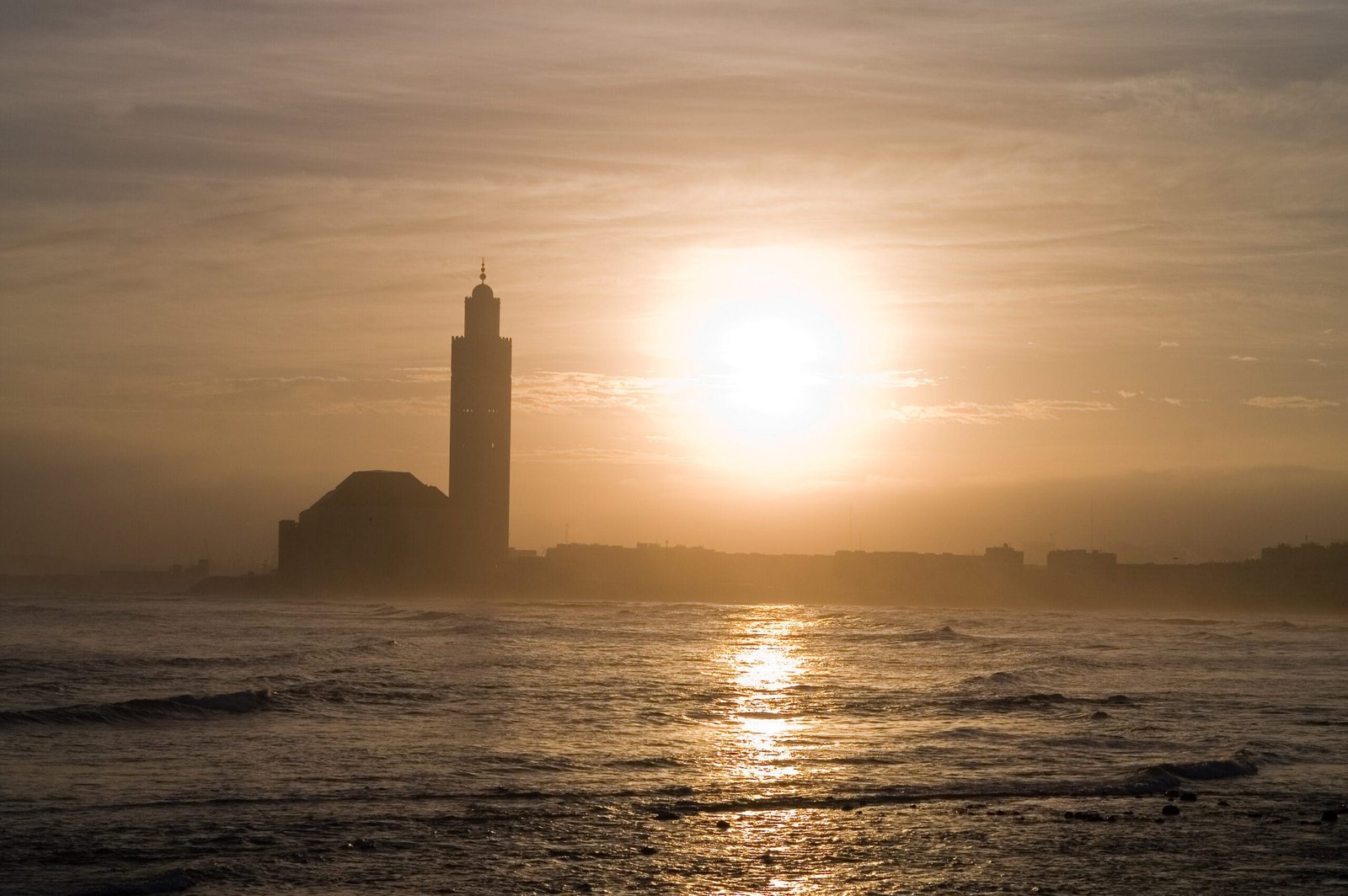
Casablanca Travel Guide
Morocco’s Modern Economic Metropolis
Introduction
Casablanca thrums with the electric, fast-paced energy of a modern metropolis where soaring glass skyscrapers stand alongside white-painted French colonial Art Deco buildings. As Morocco’s commercial powerhouse and largest city, it presents a stark, fascinating contrast to the medieval, slow-moving imperial capitals of the north. Enclosed by the roaring Atlantic Ocean, this sprawling city is a melting pot of business, fashion, and contemporary Moroccan culture, where wide avenues are constantly filled with red Petit Taxis and busy locals rushing between cafes.
This urban destination is perfect for business travelers, architecture buffs, and cultural explorers who want to witness the real, unfiltered daily life of modern Moroccans. The atmosphere feels lively, industrial, and distinctly cosmopolitan, offering a gritty but rewarding experience that goes far beyond typical resort towns. While many tourists rush through the city, those who linger will discover a rich architectural heritage, a thriving culinary scene, and one of the most magnificent religious monuments on Earth.
Quick Facts
| Region | Casablanca-Settat |
| Best time to visit | September to November (mild weather) or April to May (spring blossoms) |
| Language | Moroccan Arabic (Darija), French |
| Currency | Moroccan Dirham (MAD) |
| Known for | Hassan II Mosque, Art Deco architecture, Atlantic coastline, economic powerhouse |
| Day trips | Rabat imperial city (**90 km**), El Jadida Portuguese city (**100 km**), Azemmour artist town (**80 km**) |
Top Things To Do in Casablanca
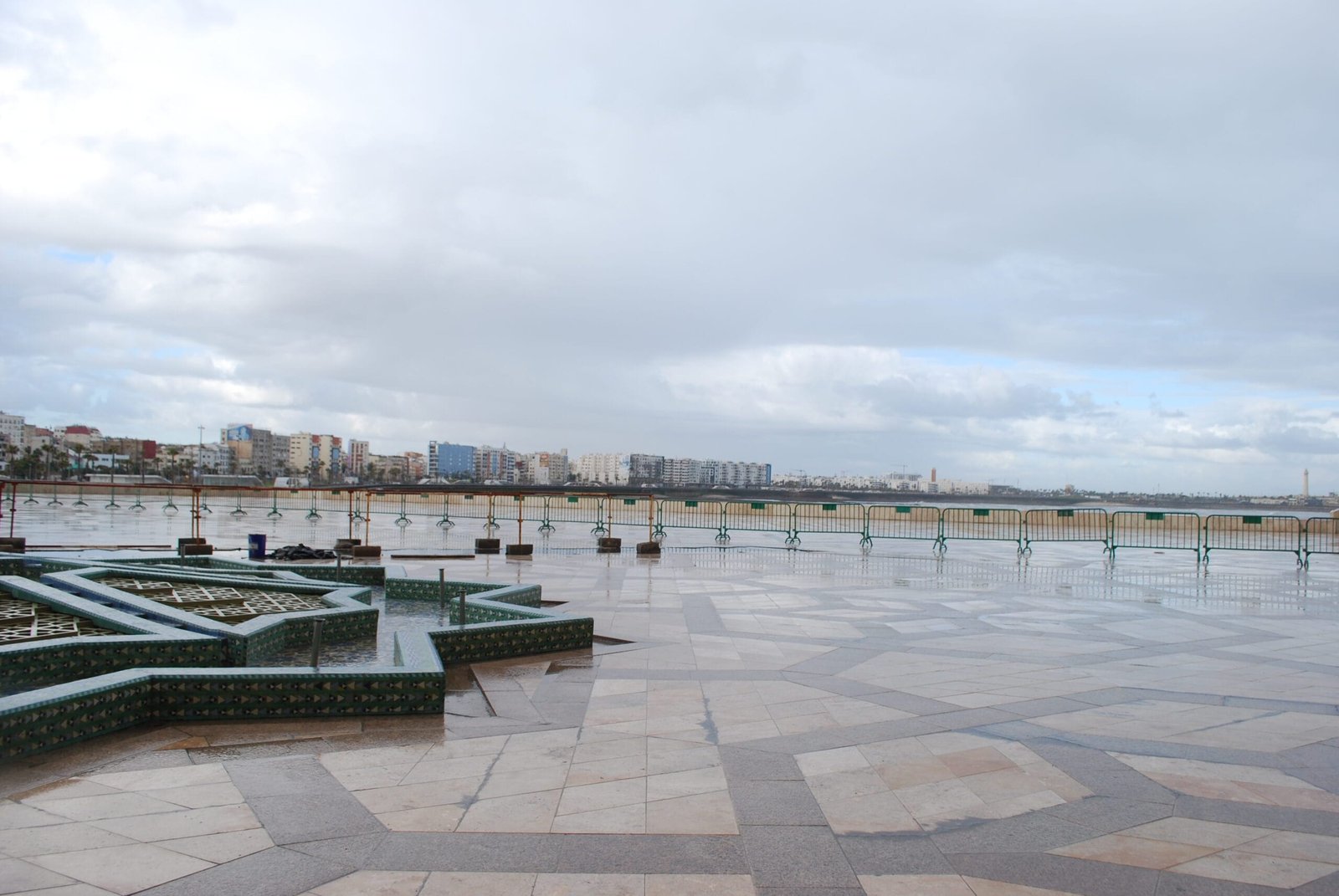
Hassan II Mosque
This architectural marvel is one of the largest mosques in the world, standing majestically on a rocky platform reclaimed from the Atlantic Ocean. Its towering minaret rises **210 meters** into the sky, serving as a beacon of Islamic art with intricate hand-carved stone, colorful zellige tiling, and a retractable roof. It is one of the few active mosques in Morocco open to non-Muslim visitors through guided tours.
Insider tip: Book the **9:00 AM** morning tour to beat the tour buses, and make sure to visit the underground ablution halls to admire the giant lotus-shaped fountains.
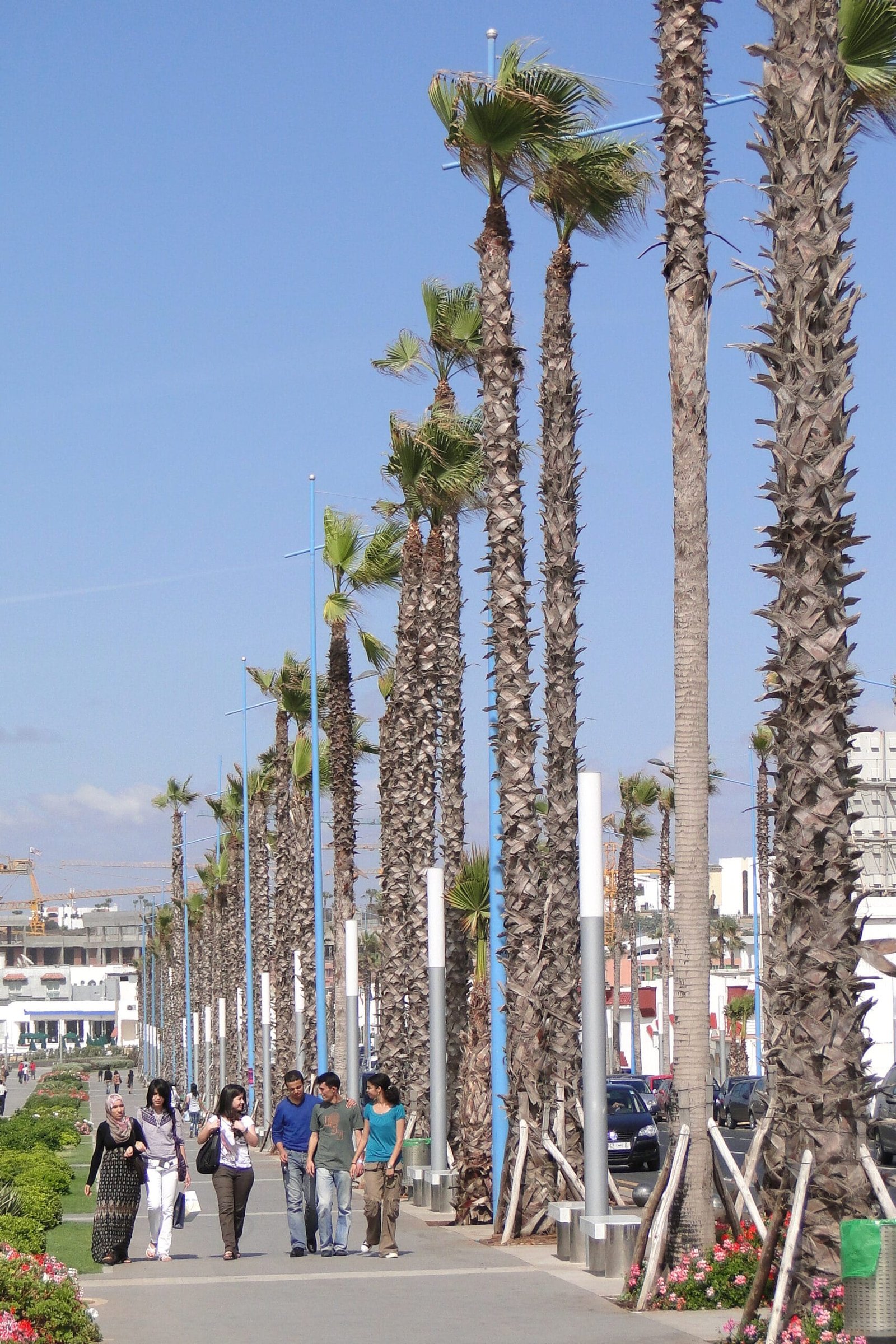
The Corniche & Ain Diab
Stretching along the oceanfront, this lively boulevard is lined with upscale beach clubs, open-air swimming pools, luxury hotels, and trendy seaside cafes. It serves as the primary recreational getaway for locals, especially during hot summer evenings when families gather to enjoy the cool Atlantic breeze. The sandy shore is popular for beach soccer and evening walks.
Insider tip: Walk to the **El Hank Lighthouse** at the northern end of the Corniche and climb the **256 steps** for a stunning, uncrowded view of the mosque and ocean.
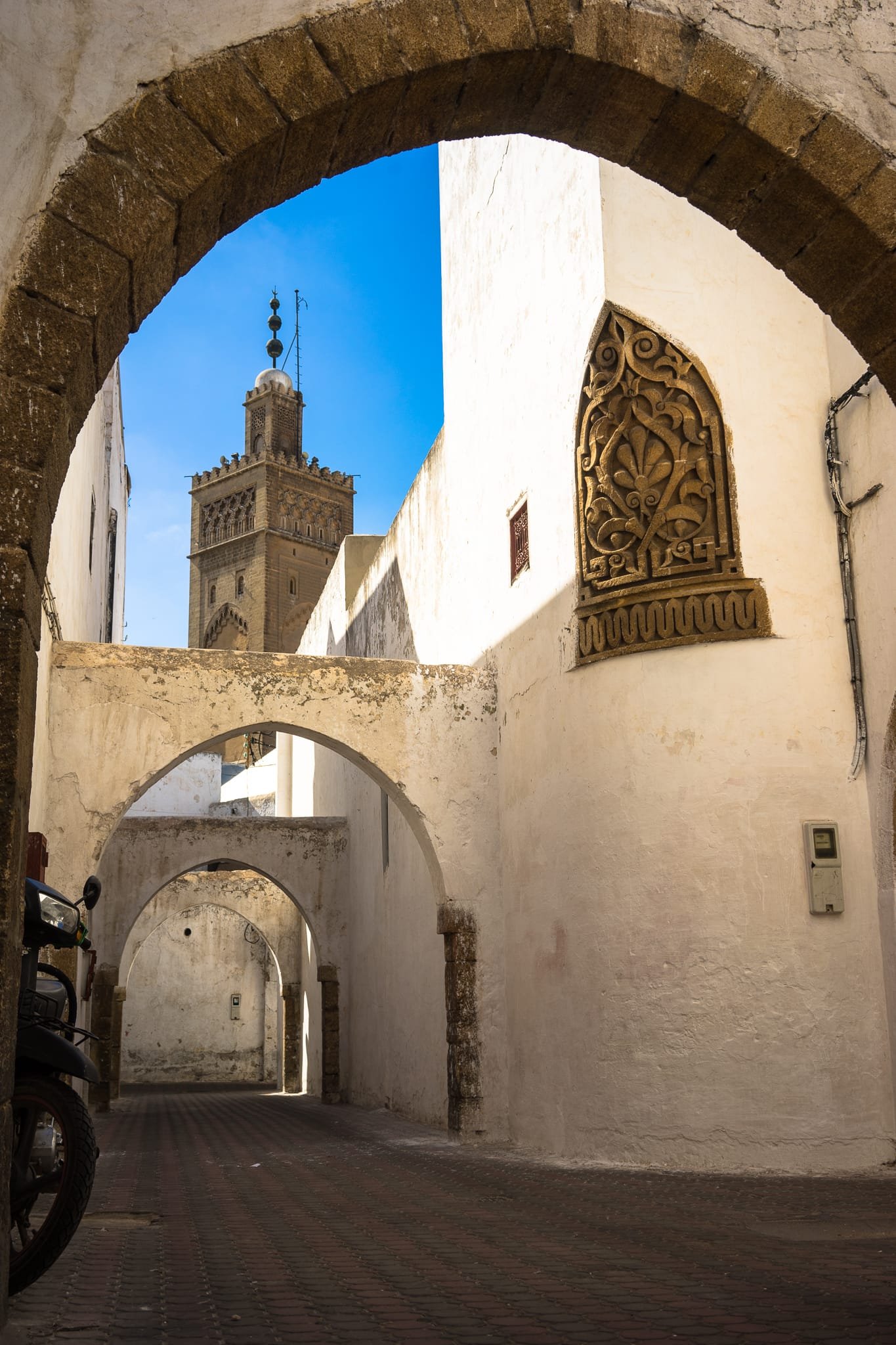
Quartier Habous (The New Medina)
Designed by French architects in the 1920s, this picturesque neighborhood blends traditional Moroccan architecture with modern French urban planning. It features clean, arched stone arcades, quiet residential squares, olive markets, and some of the city’s finest bookshops and copper workshops. It offers a calm, hassle-free shopping experience compared to other Moroccan medinas.
Insider tip: Stop by **Pâtisserie Bennis Habous**, a legendary bakery operating since 1930, to buy authentic Moroccan pastries like “Cornes de Gazelle” directly from their wood-fired ovens.
Art Deco District
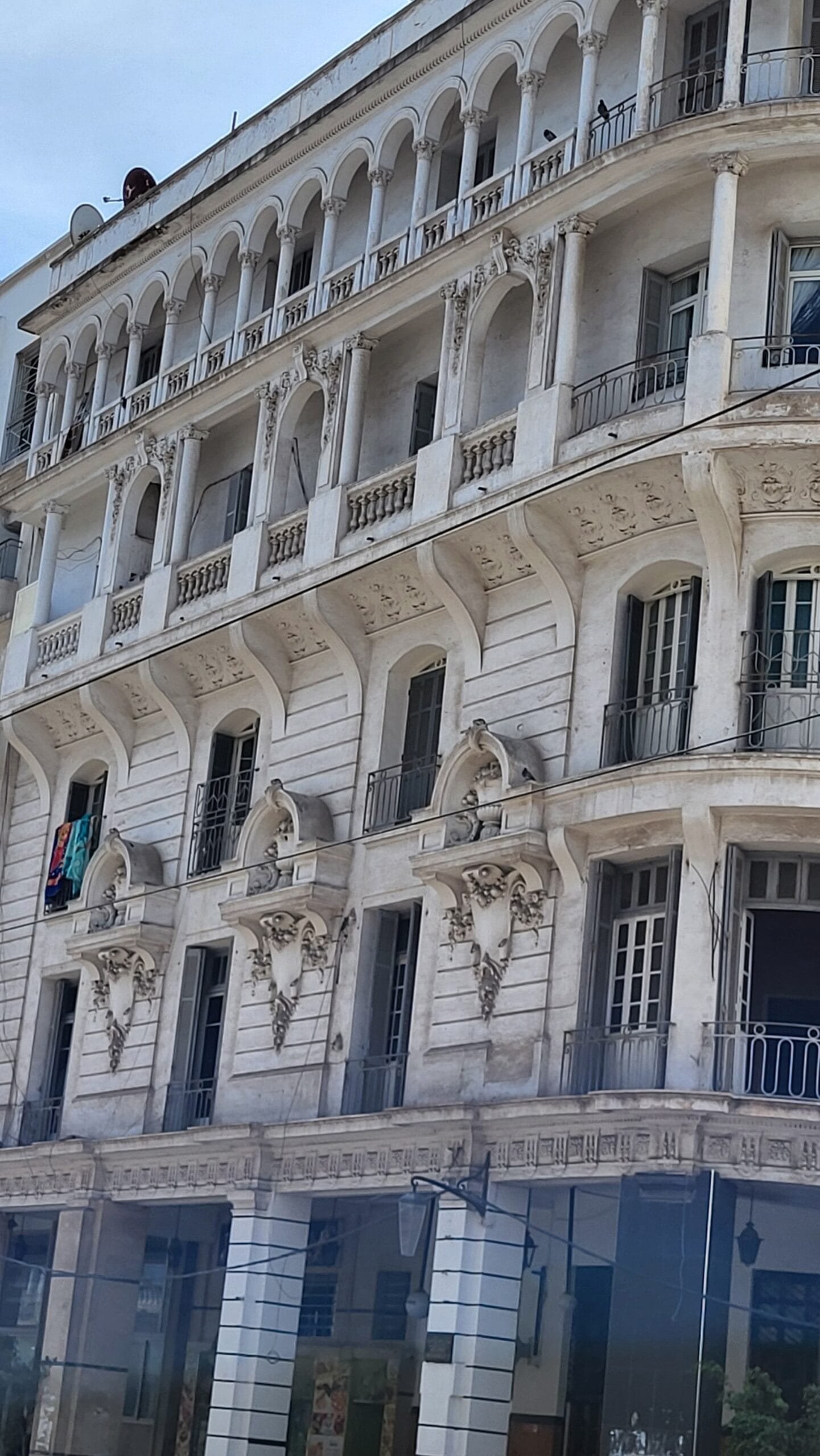
The heart of downtown Casablanca is filled with stunning colonial-era buildings that showcase a unique blend of French Art Deco and traditional Moroccan design (known as Mauresque). Walking down Boulevard Mohammed V reveals majestic facades adorned with stone carvings, wrought-iron balconies, and decorative mosaics. The central square of Place Mohammed V is flanked by grand administrative buildings and a large musical fountain.
Insider tip: Look up while walking; many of the most beautiful Art Deco details are located on the second and third stories of buildings that are now occupied by local offices.
Rick’s Café
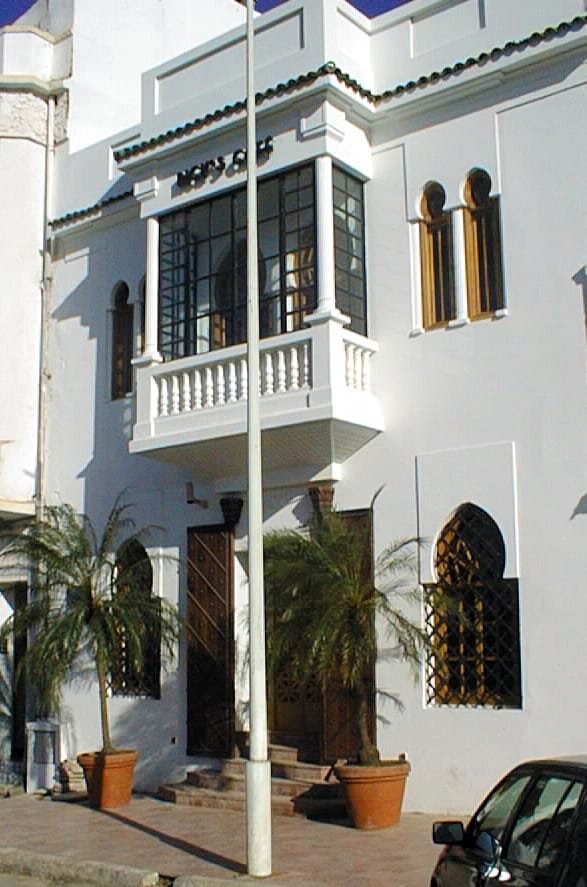
This beautifully restored courtyard mansion was designed to recreate the iconic piano bar from the famous 1942 Hollywood movie *Casablanca*. The interior features elegant arches, brass lighting, table roses, and a baby grand piano playing classic melodies. It offers a nostalgic, romantic atmosphere that transports visitors back to the golden age of cinema.
Insider tip: You must book a table **several days in advance** for dinner, and ensure you follow the smart-casual dress code to gain entry.
Villa des Arts
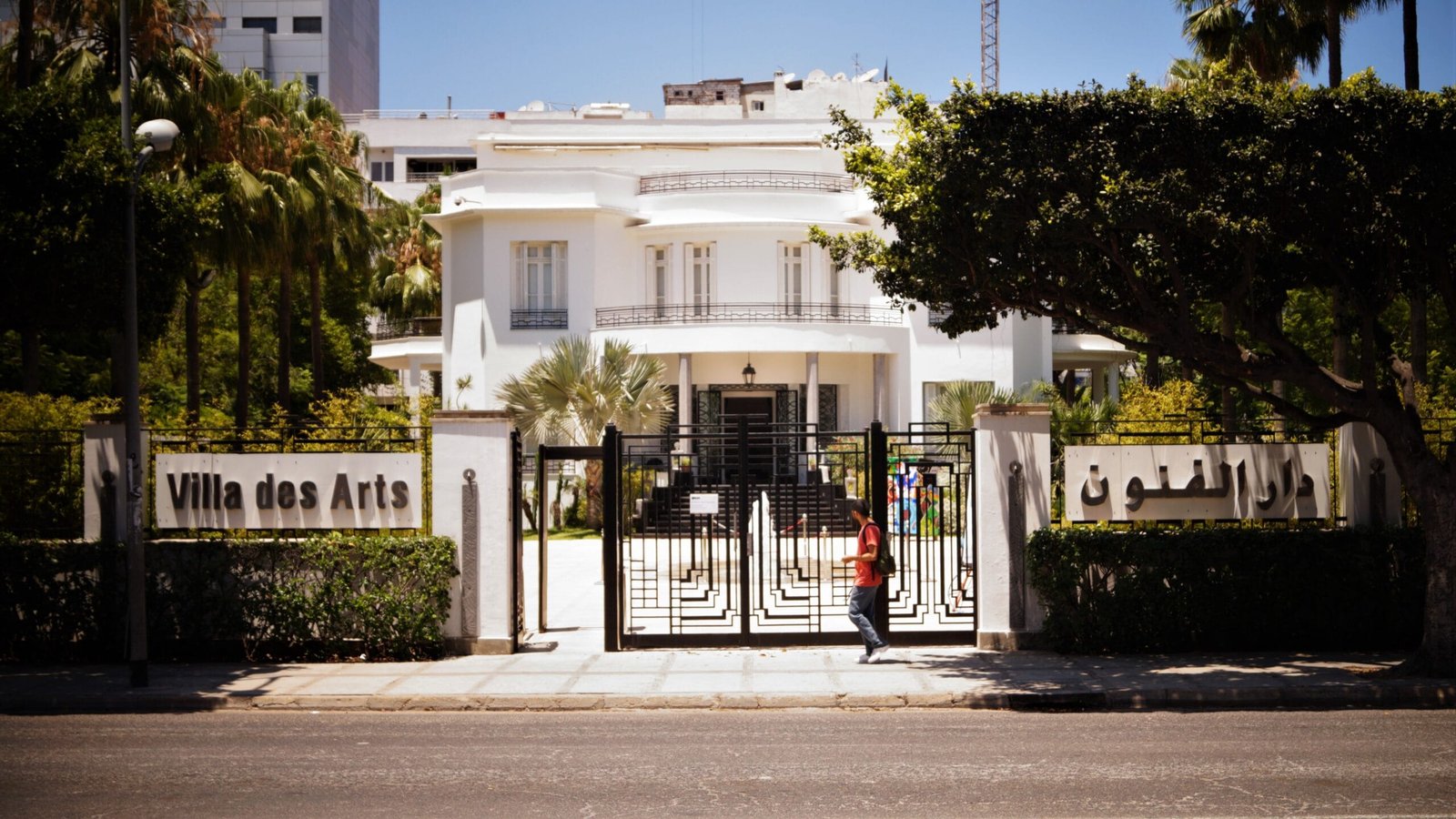
Housed in a stunning 1930s Art Deco villa, this cultural center and art museum showcases contemporary Moroccan art and international exhibitions. The surrounding gardens are peaceful and well-maintained, offering a quiet sanctuary away from the city’s hectic traffic. It is a key hub for Casablanca’s modern artistic movement.
Insider tip: Entrance is **completely free**, making it an excellent budget-friendly stop for art lovers exploring the residential Gauthier neighborhood.
Best Time To Visit
The climate of Casablanca is Mediterranean and highly influenced by the Atlantic Ocean, keeping the city comfortable throughout the year. Autumn (September to November) is the absolute best season to visit, with temperatures hovering around 22°C to 25°C. The summer humidity dissipates, and hotel rates drop significantly after the peak business and domestic travel season.
Spring (April to May) is another beautiful window, bringing mild temperatures averaging 20°C and clear skies, ideal for architectural walking tours. Summer (June to August) is warm and humid, with temperatures averaging 26°C. While it is excellent for beach activities in Ain Diab, the city can feel congested, and accommodation prices rise due to returning Moroccan expatriates and domestic vacationers. Winter (December to February) is cool and wet, with temperatures averaging 13°C to 17°C. While not suitable for beachgoing, it offers the lowest hotel prices and empty tourist attractions. We recommend visiting in October for the perfect blend of warm weather, pleasant sea breezes, and reasonable hotel prices.
How To Get There
By Plane
Casablanca is served by **Mohammed V International Airport (CMN)**, located **30 km** south of the city center. It is Morocco’s largest aviation hub, receiving direct flights from major global destinations. The most efficient way to reach the city is the direct airport train, which departs every hour from the station below Terminal 1, reaching **Casa Port** or **Casa Voyageurs** stations in **35 minutes** for **50 MAD**. A licensed white grand taxi from the airport to the city center costs a flat rate of **300 MAD**.
By Train
Casablanca is the heart of Morocco’s rail network, operated by **ONCF**. The high-speed **Al Boraq** train connects Casablanca to Tangier (**2 hours**, **150-220 MAD**) and Rabat (**50 minutes**, **40-60 MAD**). Regular trains run to Marrakech (**2.5 hours**, **110-150 MAD**) and Fes (**3.5 hours**, **120-180 MAD**). The main stations are **Casa Voyageurs** (for long-distance and high-speed trains) and **Casa Port** (closer to the medina and commercial port).
By Bus
Long-distance buses run regularly from the CTM terminal located on Rue Léon l’Africain in the city center. Buses from Marrakech take **4 hours** and cost **100 MAD to 140 MAD**. Connections from Tangier take **5 hours** (costing **150 MAD**), while buses from Rabat require **1.5 hours** and cost **40 MAD**.
By Car
If you drive, Casablanca is connected to the rest of Morocco by a network of modern toll highways. The **A1 highway** links the city to Rabat (**90 km**, **1 hour**) and Tangier (**340 km**, **3.5 hours**). The **A3 highway** connects Casablanca to Marrakech (**240 km**, **2.5 hours**). Tolls from Marrakech cost **80 MAD**.
Where To Stay
Budget (under 300 MAD/night)
For budget accommodations, explore the neighborhood of **Derb Omar** or the edges of the **Old Medina**. Derb Omar is a bustling commercial wholesale district close to Casa Port train station and CTM bus terminal. Look for simple, clean hotels that offer private rooms with basic amenities.
- Hotel Ibis Casa Voyageurs: Located right next to the main train station, offering clean, compact air-conditioned rooms and a reliable breakfast starting at **280 MAD** per night.
- Hotel Central: A historic hotel situated inside the Old Medina, featuring traditional Moroccan tiles, helpful staff, and a lovely rooftop terrace overlooking the harbor, starting at **290 MAD** per night.
Mid-range (300-800 MAD/night)
The best area for mid-range stays is the **Gauthier** or **Maârif** neighborhoods. These are modern, safe residential and shopping districts filled with trendy cafes, boutiques, and comfortable business hotels. Properties in this bracket offer spacious rooms, high-speed Wi-Fi, air conditioning, and buffet breakfasts.
- Barceló Casablanca: Located on Boulevard d’Anfa, this modern hotel features spacious rooms, a nice restaurant, and easy access to the Art Deco district, starting at **650 MAD** per night.
- Kenzi Basma: Positioned in the city center near Place Mohammed V, offering traditional Moroccan hospitality blended with modern rooms and a great business lounge, starting around **750 MAD** per night.
Luxury (800+ MAD/night)
For luxury, seek accommodations in the prestigious **Anfa** neighborhood or along the **Ain Diab Corniche**. Properties here feature heated outdoor pools, premium spas offering private hammam treatments, ocean-view suites, and fine dining restaurants.
- Four Seasons Hotel Casablanca: A spectacular oceanfront hotel located next to the beach in Ain Diab, offering private balconies, a luxury spa, and heated outdoor pools, starting at **3,200 MAD** per night.
- Sofitel Casablanca Tour Blanche: A sleek, modern luxury hotel located near Casa Port, featuring panoramic views of the Hassan II Mosque, a signature spa, and exceptional dining, starting at **1,800 MAD** per night.
Where To Eat & Local Food
Casablanca’s gastronomy is a rich blend of traditional Moroccan dishes and contemporary French cuisine. Do not miss these local food experiences:
- Poisson Frit (Fried Atlantic Fish): A popular dish featuring fresh red mullet, sole, calamari, and shrimp, served with tomato-cucumber salad and fresh lemon.
- Couscous Friday: A deep-rooted tradition where locals gather after Friday prayers to share a massive platter of steamed semolina topped with seven seasonal vegetables and slow-cooked beef.
- M’semen: Layered, flaky square pancakes cooked on a flat griddle, served hot with butter, honey, or stuffed with spiced onions.
- Harira: A rich, tomato-based soup loaded with lentils, chickpeas, and lamb, served with sweet dates and hard-boiled eggs.
For dining, avoid the tourist traps along the main beachfront of Ain Diab, which charge high prices for mediocre food. Instead, head to the local fish market stalls located inside **Marche Central (Central Market)** or the simple wooden grills near the **commercial port**, where you can point to the fresh catch of the day and have it grilled to order. Another excellent area is the **Quartier Habous**, which is packed with local cafes serving authentic tajines and bakeries baking Tafarnout bread. Always buy fresh pastries from local neighborhood bakeries in the morning, and enjoy a glass of avocado-almond juice at local juice bars.
Practical Tips
- Safety: Casablanca is generally safe, but you should take precautions against pickpocketing in crowded markets, bus terminals, and busy avenues. Avoid walking alone at night in the Old Medina or poorly lit streets in Derb Omar.
- Dress Code: Casablanca is a modern city where Western-style clothing is common. However, it is respectful to dress modestly by covering shoulders and knees when visiting administrative districts, local markets, or residential areas.
- Best Neighborhoods: Stroll the upscale **Gauthier** for modern dining, wander **Habous** for traditional architecture, and explore the **Old Medina** for local history.
- Getting Around: Use the red **Petit Taxis** for travel within the city. They are metered; ensure the driver turns on the meter before the car moves. A short ride costs **10 MAD to 25 MAD**. Alternatively, ride the modern **Casablanca Tramway** which connects major train stations and districts for **8 MAD** per ticket.
- Tipping: Tipping is common practice. Leave **5% to 10%** at casual cafes and restaurants, and round up the fare for taxi drivers.
- Useful Phrases: Use **”Shokran”** (Thank you), **”Bshal?”** (How much?), and **”Sbah lkhayr”** (Good morning) to communicate.
- What to Avoid: Avoid taking unlicensed taxis from outside train stations; always look for the official taxi ranks. Avoid swimming in unmonitored beach zones along the Corniche due to strong Atlantic undertows.
Planning Your First Trip with Klook?
Use the link below to sign up and book your activities with Klook to claim exclusive discounts and promo offers on your tours.
Claim Discount & Book NowFrequently Asked Questions
Q: Is casablanca safe for tourists?
A: Yes, Casablanca is generally safe for tourists, though petty theft and pickpocketing occur in crowded areas. Always keep your valuables secure in busy markets and avoid walking alone in poorly lit streets at night.
Q: How many days do I need in casablanca?
A: You need one to two days to visit the main sights, including the Hassan II Mosque, the Art Deco district, and the Habous neighborhood. If you plan to take day trips to Rabat or El Jadida, extend your stay to three days.
Q: What is casablanca known for?
A: Casablanca is famous for the magnificent Hassan II Mosque, its unique colonial Art Deco architecture, and its role as Morocco’s economic capital. It is also globally recognized due to the classic 1942 Hollywood film.
Q: What is the best time to visit casablanca?
A: The best time to visit Casablanca is from September to November or March to May, when temperatures are mild and pleasant. These months offer comfortable sightseeing weather and lower hotel rates compared to the peak summer season.
Q: How do I get from Marrakech to casablanca?
A: The most convenient way to travel from Marrakech is by train, which takes two and a half hours. Alternatively, you can drive via the A3 highway, covering the distance in approximately two and a half hours.
Q: Is casablanca worth visiting?
A: Yes, Casablanca is worth visiting to experience modern Moroccan urban life, see the Hassan II Mosque, and admire the Art Deco architecture. It offers a unique metropolitan perspective that contrasts with the traditional imperial cities.