
Tangier Travel Guide
Morocco’s Gateway to Europe & Strait of Gibraltar
Introduction
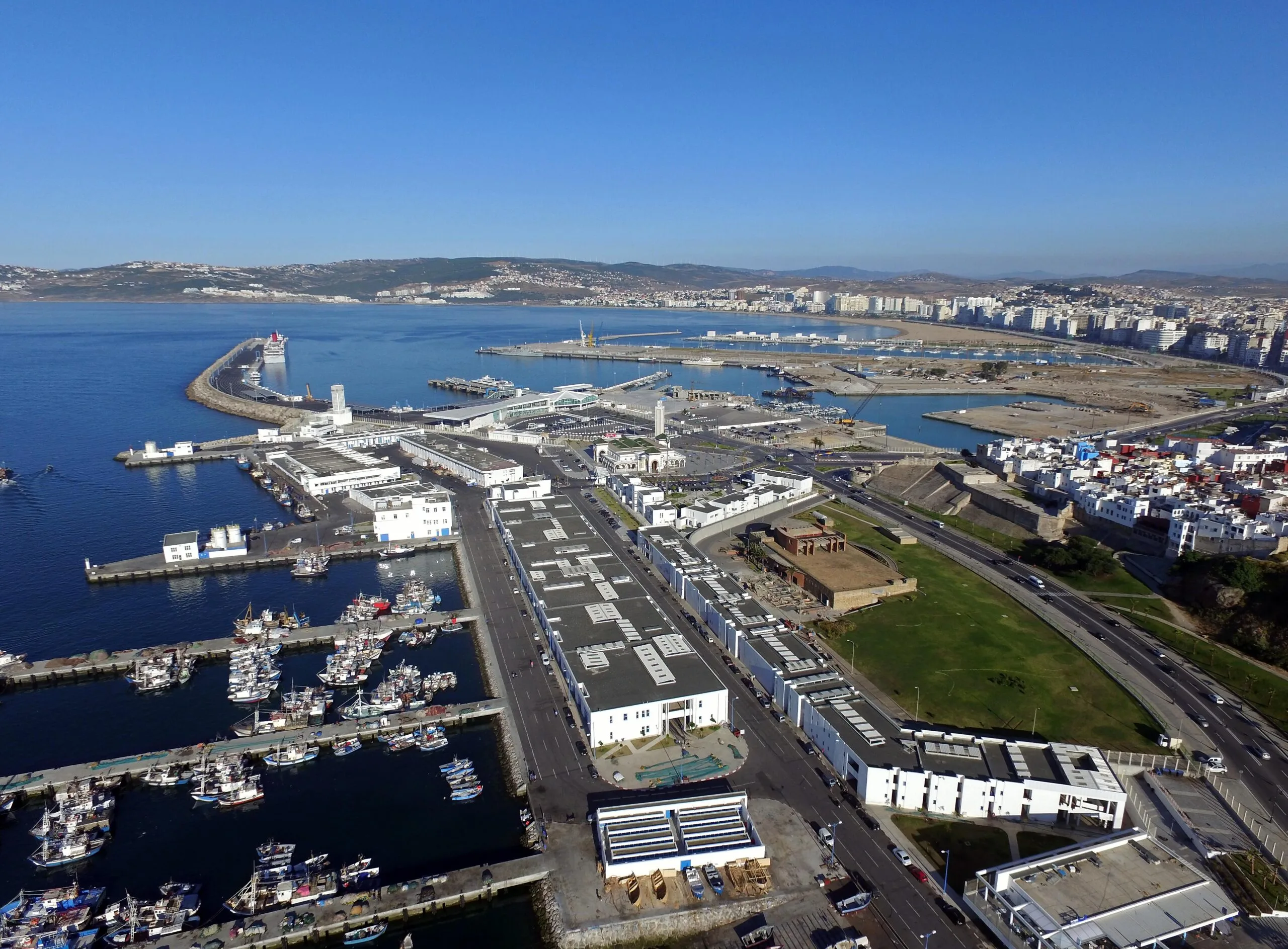
Stand at the windswept edge of the Kasbah ramparts in Tangier, where the glittering waters of the Mediterranean Sea meet the deep blue of the Atlantic Ocean, with the misty silhouette of Spain rising just **14 kilometers** across the Strait of Gibraltar. Historically serving as an international zone that attracted spies, writers, and artists, this gateway city offers a vibrant, cosmopolitan atmosphere unlike anywhere else in Morocco. It is a destination characterized by a dramatic cliffside medina, grand French colonial cafes, and modern seaside promenades, where European architectural influences blend seamlessly with traditional Moroccan design.
This historic port city is perfect for writers, art collectors, families, and travelers who want a unique, atmospheric coastal destination with a rich international history. The vibe is lively, bohemian, and salty, filled with the cries of gulls, the rumble of ferries, and the aroma of fresh mint tea. While the city has shed its seedy past through major modern renovations, it preserves its historic cafes, winding alleys, and a legendary cultural heritage that continues to inspire visitors.
Quick Facts
| Region | Tanger-Tetouan-Al Hoceima |
| Best time to visit | September to November (pleasant autumn days) or March to May (mild spring temperatures for exploring) |
| Language | Moroccan Arabic (Darija), Spanish, French, English |
| Currency | Moroccan Dirham (MAD) |
| Known for | Strait of Gibraltar, Hercules Caves, Cafe Hafa, international history, art scene |
| Day trips | Chefchaouen blue city (**110 km**), Asilah artistic town (**45 km**), Tetouan Spanish-Moorish city (**60 km**) |
Top Things To Do in Tangier
The Tangier Kasbah
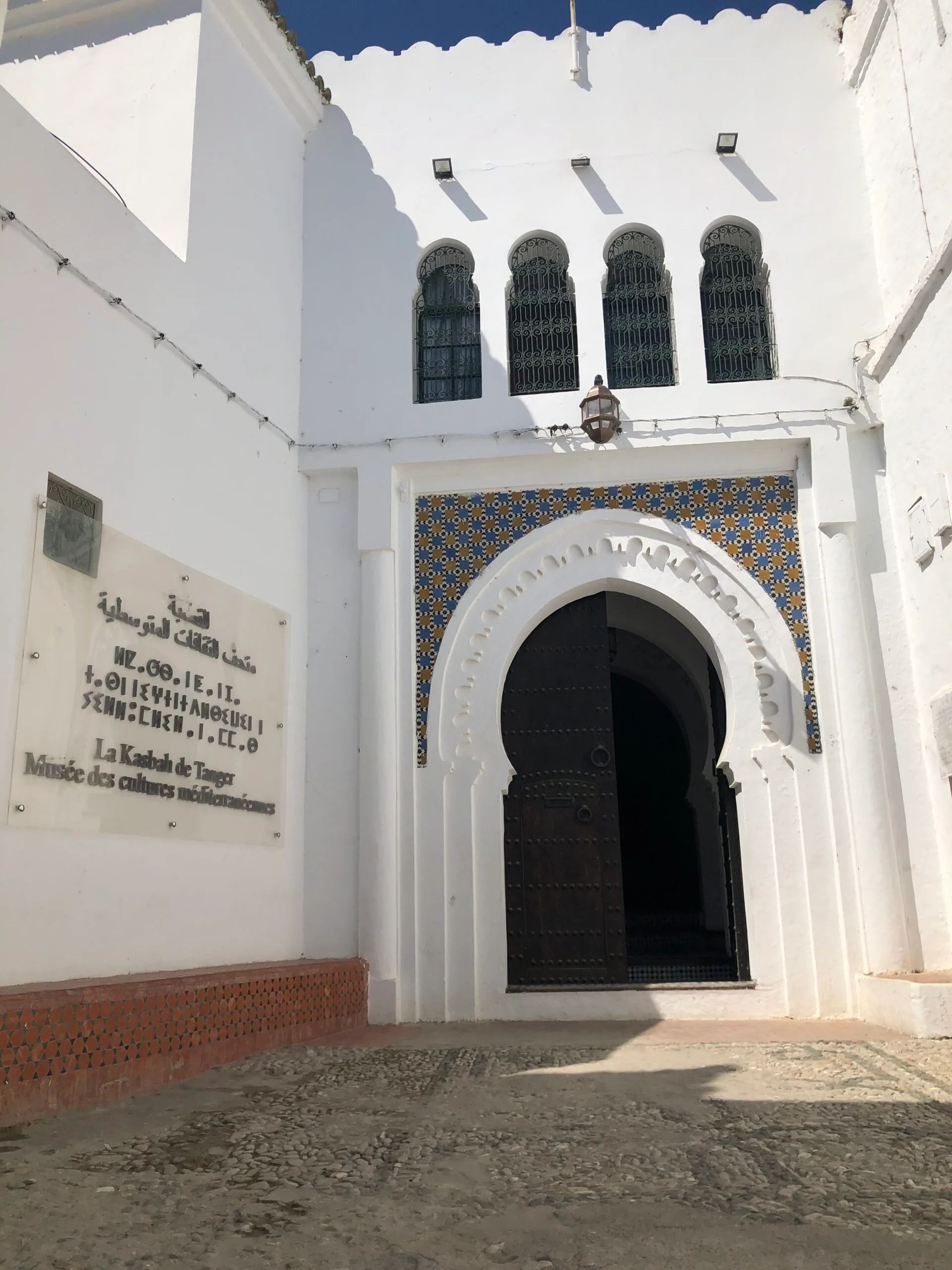
Perched on the highest point of the city, this historic 17th-century fortress features whitewashed houses, quiet squares, and beautiful views over the Strait of Gibraltar. The kasbah houses the former Sultan’s Palace (Dar al-Makhzen), which has been converted into a museum displaying historic Roman artifacts, Moroccan art, and zellige mosaics. Walking through its narrow stone gates offers a peaceful, historic atmosphere away from the busier port.
Insider tip: Walk to the Bab al-Bahr (Gate of the Sea) lookout point to watch ferries cross the strait to Spain.
Hercules Caves (Grottes d’Hercule)
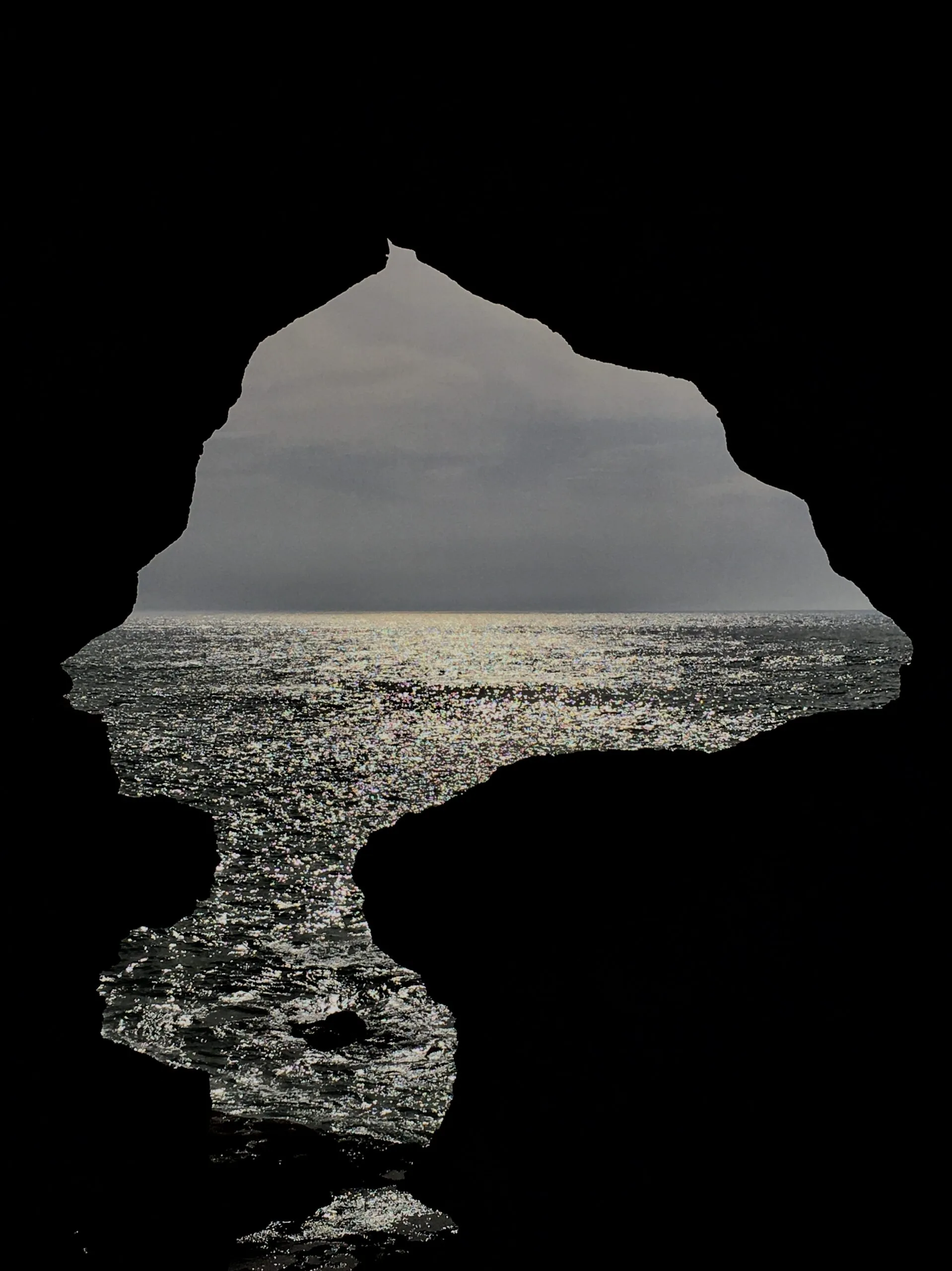
Located **14 km** west of the city, these historic archaeological caves are famous for their sea-facing opening that resembles the shape of the map of Africa. According to Greek legend, the hero Hercules rested inside these caves before completing his eleventh labor. The interior features carved stone vaults used by ancient populations to grind millstones, lit up by modern colorful lighting.
Insider tip: Visit the caves during high tide when the ocean waves crash directly into the African map opening, creating spectacular spray photos.
Cape Spartel & Lighthouse
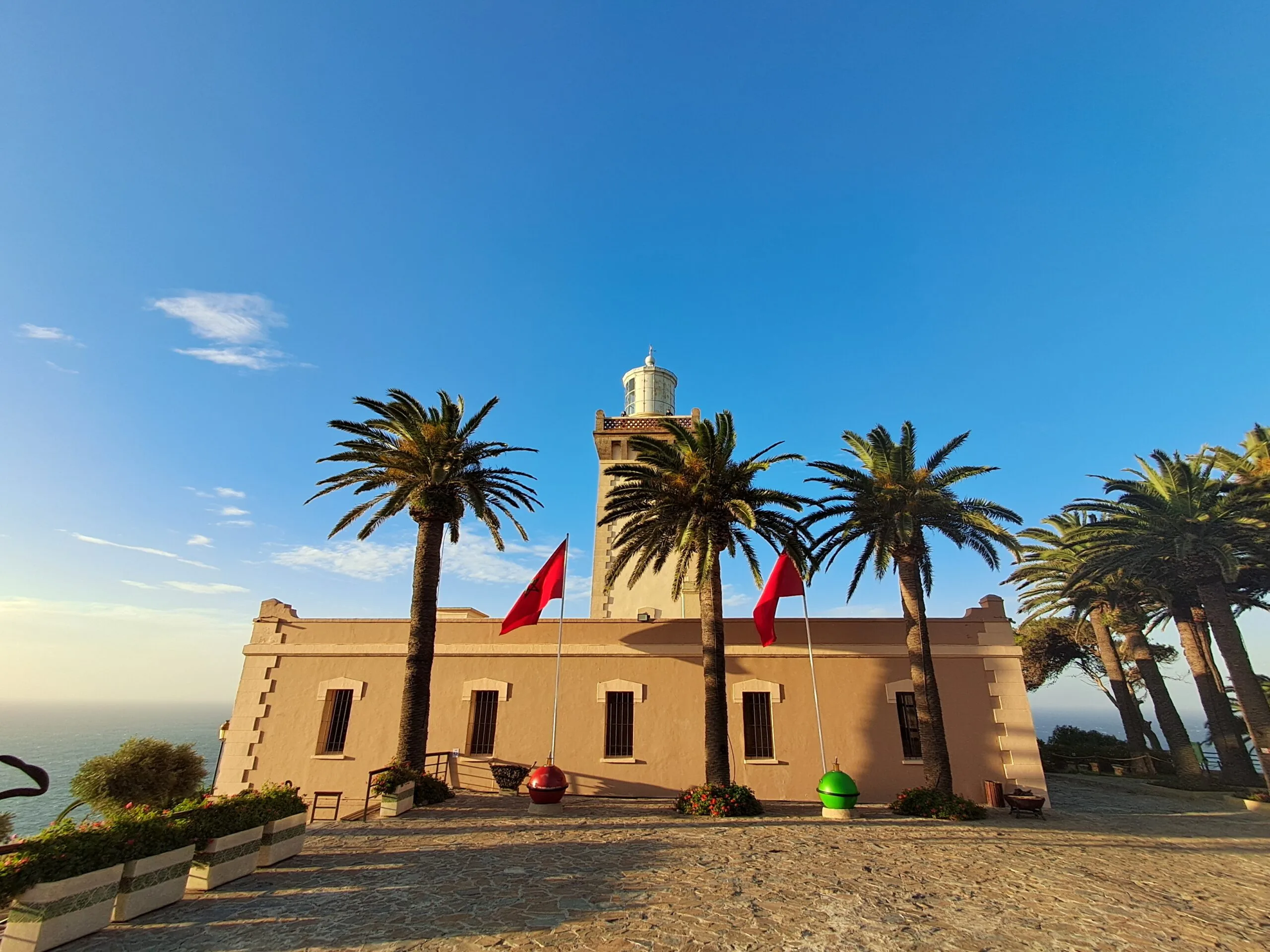
This dramatic promontory marks the northwestern boundary of Africa, where the Atlantic Ocean and the Mediterranean Sea meet. The site features a beautiful yellow stone lighthouse built in **1864**, surrounded by pine forests and walking paths overlooking the rocky shoreline. It offers a scenic, windswept spot for photography and enjoying coastal nature.
Insider tip: Sit at the nearby cliffside cafe in the late afternoon to watch the sun set directly into the Atlantic Ocean.
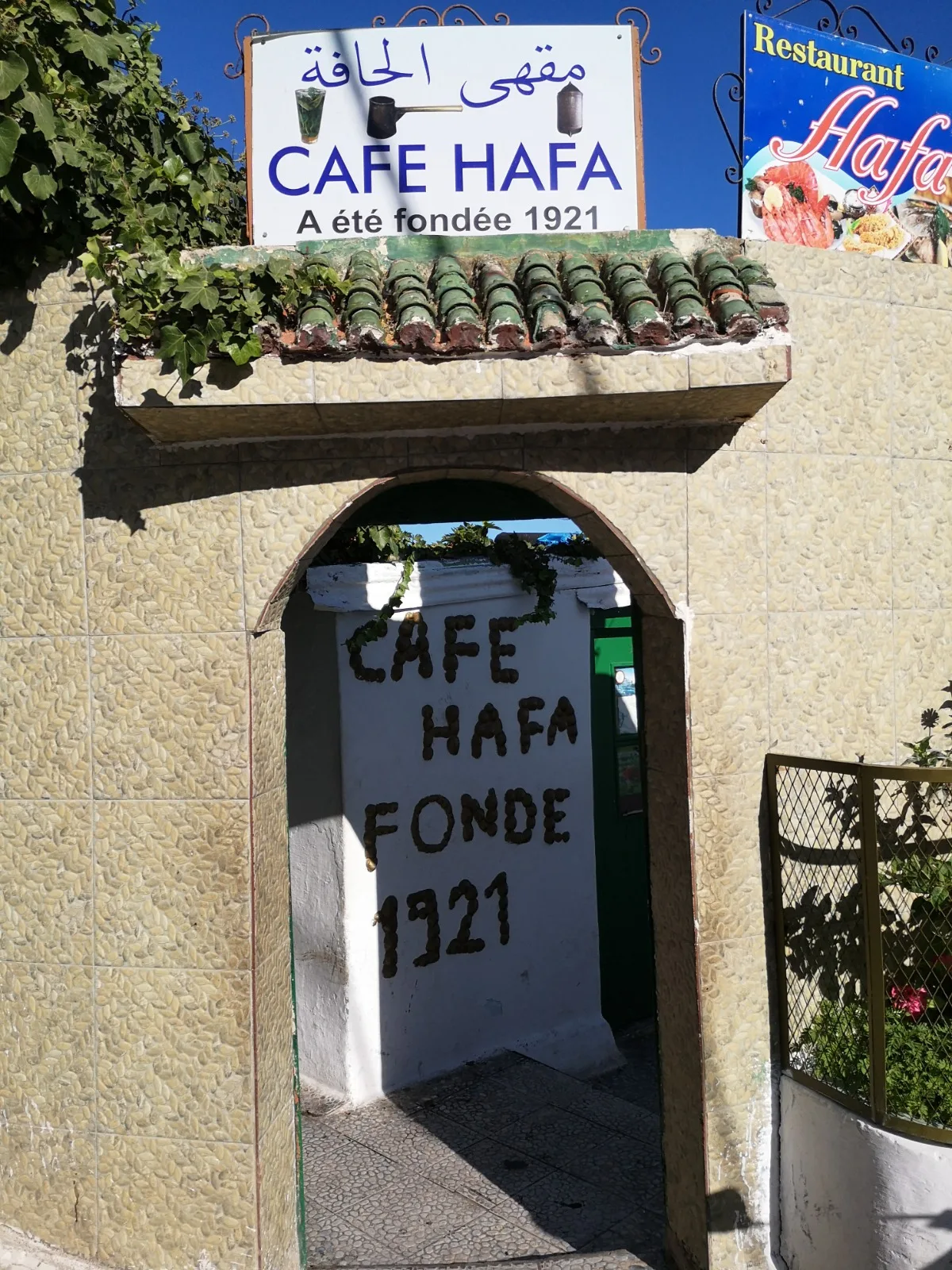
Cafe Hafa
Operating since **1921**, this legendary cafe sits on a series of stone terraces carved into the cliffs overlooking the Strait of Gibraltar. The cafe is famous for its simple wooden tables, wild mint tea, and its history of hosting famous writers and musicians, including William S. Burroughs, the Rolling Stones, and Jack Kerouac. It offers a relaxed, bohemian atmosphere where locals and visitors meet to watch the sea.
Insider tip: Order a glass of their signature herb-infused mint tea (which includes wild sage and verbena) for about **15 MAD**.
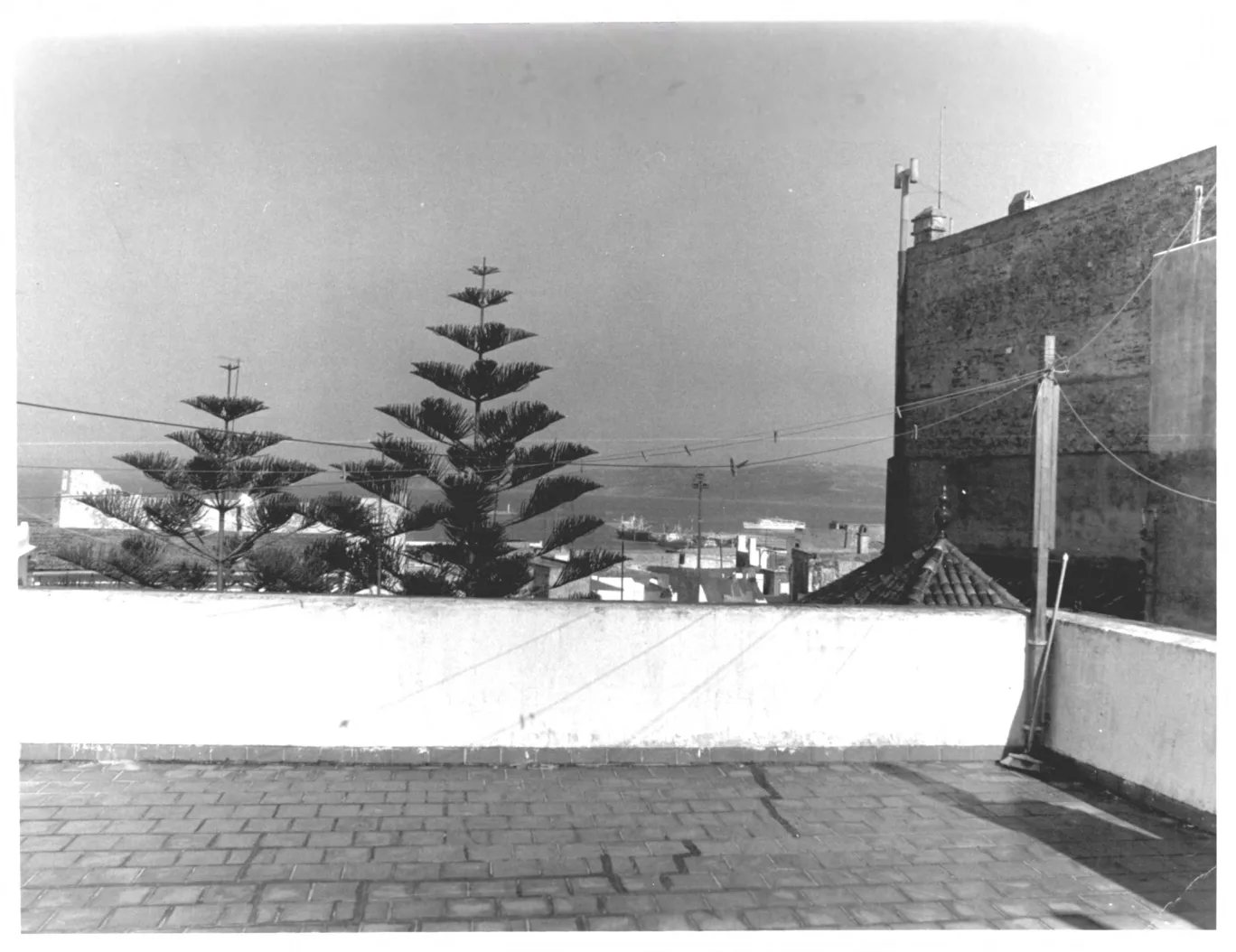
American Legation Museum
This historic mansion inside the medina was the first American public property outside the United States, given to the US by Sultan Moulay Slimane in **1821**. The building serves as a museum and library, displaying historic maps, paintings, and documents recording the long diplomatic friendship between Morocco and the United States. It features a beautiful, quiet inner courtyard decorated with Andalusian tiles.
Insider tip: Look for the famous “Tangier Mona Lisa” painting by James McBey in the main gallery, which captures the city’s complex history.
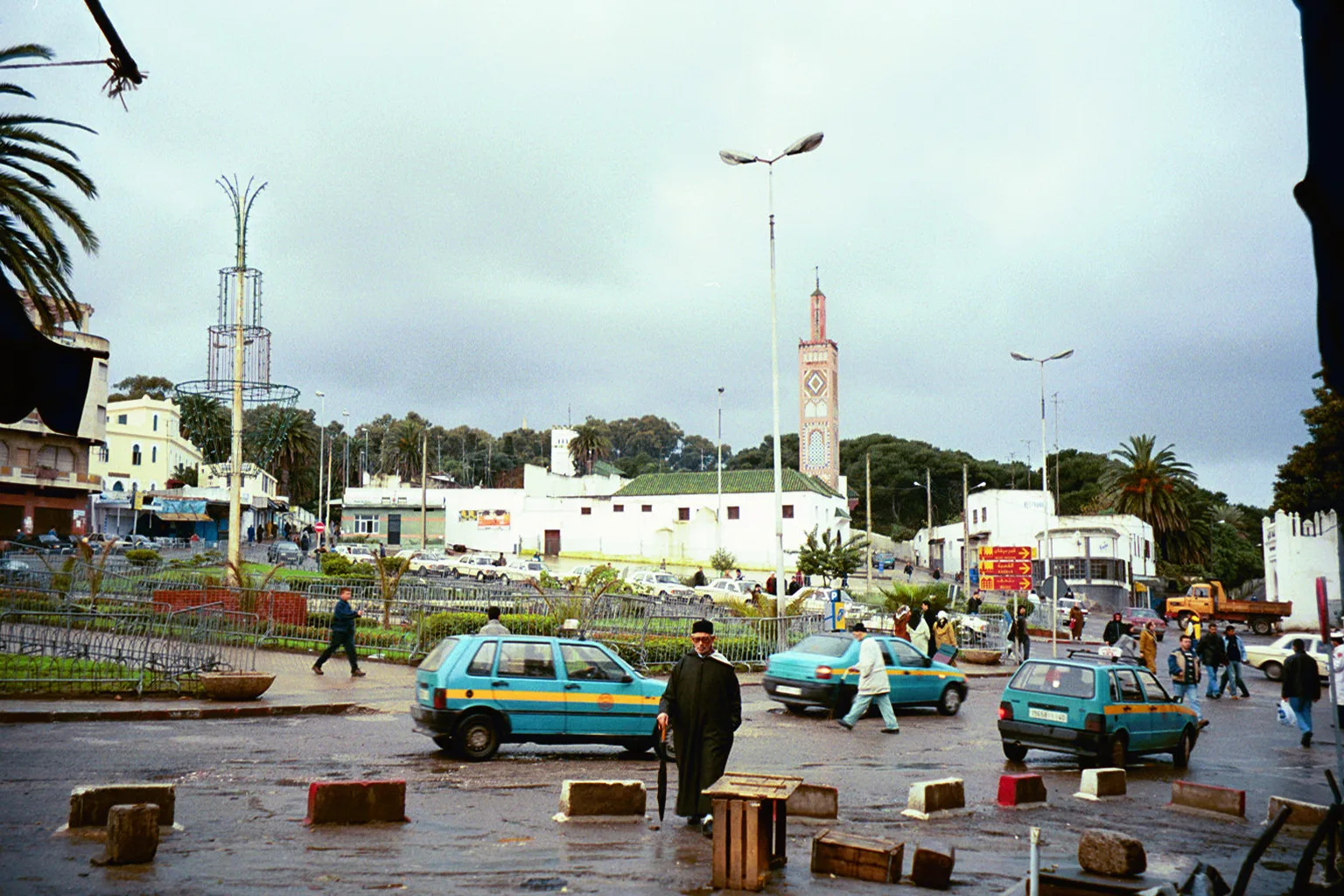
Grand Socco & Mendoubia Gardens
This wide public plaza serves as the primary meeting spot dividing the old medina from the French colonial Ville Nouvelle. The plaza features a large central fountain and is bordered by the Mendoubia Gardens, which house ancient Banyan trees and historic bronze cannons. It is a lively area filled with flower markets, street vendors, and cafes.
Insider tip: Sit at one of the cafes on the north side of the square to watch local life pass through the Bab Fahs gate.
Best Time To Visit
Tangier experiences a Mediterranean climate moderated by strong Atlantic winds, keeping temperatures pleasant year-round. Spring (March to May) is a beautiful season, with daytime temperatures averaging 20°C and the surrounding hills covered in green, ideal for day trips to Chefchaouen. Autumn (September to November) brings pleasant, sunny days averaging 22°C to 25°C and warm sea temperatures, with lower hotel prices after the summer rush.
Summer (June to August) is warm and sunny (averaging 28°C), attracting thousands of domestic tourists escaping the inland heat. While it is perfect for beach activities, hotel prices double and the medina lanes can get crowded. Winter (December to February) is mild but cool and rainy, with temperatures averaging 14°C, though it offers quiet streets and the lowest accommodation prices. We recommend visiting in October to enjoy mild temperatures, sunny days, and comfortable conditions for sightseeing without the summer crowds.
How To Get There
By Plane
Tangier is served by **Tangier Ibn Battouta Airport (TNG)**, located **12 km** southwest of the city center. The airport receives direct flights from major European cities and daily domestic connections from Casablanca. A licensed grand taxi from the airport to the city center costs a flat rate of **150 MAD** during the day and **200 MAD** at night.
By Train
Tangier has a modern train station, **Tanger Ville**, located near the beachfront. It is the northern terminus of the high-speed **Al Boraq** train. The high-speed train connects Tangier to Rabat (**1.2 hours**, **140-225 MAD**), Casablanca (**2 hours**, **180-280 MAD**), and Kenitra. Regular trains connect to Fes (**3.5 hours**, **120-160 MAD**).
By Bus
The main bus terminal, **Gare Routière de Tanger**, is located **8 km** south of the center, while the premium **CTM** bus company operates from its own terminal near the train station. Buses run daily to Chefchaouen (**2.5 hours**, **50-70 MAD**), Asilah (**45 minutes**, **25 MAD**), and Marrakech (**9 hours**, **220 MAD**).
By Car
If you drive, Tangier is connected to Rabat and Casablanca by the modern **A1 toll highway (Auto-route)**. The drive from Rabat covers **250 km** of excellent highway, taking approximately **2.5 hours**. Driving from Chefchaouen via the N2 road takes **2 hours** over a distance of **110 km**.
Where To Stay
Budget (under 300 MAD/night)
For budget accommodations, look for small guest houses (Dars) in the **Marshane** or **Kasbah** neighborhoods. These residential quarters are close to major sights and offer quiet, safe lanes. Look for properties that include breakfast and rooftop access.
- Riad Gzoula: A charming budget-friendly riad inside the medina, featuring clean rooms, traditional zellige tiles, and a nice rooftop terrace starting around **260 MAD** per night.
- Melting Pot Hostel: A friendly surf hostel located near the beach, offering clean dorms and private rooms starting at **180 MAD** per night.
Mid-range (300-800 MAD/night)
The best area for mid-range stays is the **central Ville Nouvelle** or the **residential quarter** near the French Consulate. Here, you will find modern hotels offering air-conditioned rooms, Wi-Fi, swimming pools, and cooked breakfasts.
- Hotel ibis Tanger City Center: Positioned near the train station and beach, this modern hotel offers clean, reliable rooms, an outdoor pool, and a nice breakfast starting at **450 MAD** per night.
- Riad Tanja: Located near the medina entrance, featuring spacious rooms with sea views, private balconies, and an on-site restaurant starting around **650 MAD** per night.
Luxury (800+ MAD/night)
For luxury, seek out grand Riads located in the **Marshane district** or luxury resorts along the **Malabata beachfront**. Staying here guarantees spacious suites, heated swimming pools, world-class spas offering hammam treatments, and fine dining.
- El Minzah Hotel: An iconic, historic luxury hotel built in a traditional Spanish-Moorish palace, featuring a pool, a high-end spa, and views over the bay starting at **1,800 MAD** per night.
- Grand Hotel Villa de France: A beautifully restored historic hotel where French painter Henri Matisse stayed, featuring luxury suites, pools, and panoramic views starting at **1,400 MAD** per night.
Where To Eat & Local Food
Tangier’s cuisine is a delicious mix of Mediterranean seafood and traditional northern Moroccan recipes. Do not miss:
- Poisson Grillé (Grilled Mediterranean Fish): Freshly caught sea bass, sea bream, or sardines grilled simple over charcoal with sea salt.
- Tagine de Poisson (Fish Tagine): A slow-cooked fish tagine prepared with fresh sea bass, vegetables, olives, and a rich chermoula sauce.
- Northern Couscous: Traditional steamed semolina topped with sweet caramelized onions, raisins, and chickpeas.
- B’ssara: A rich, smooth fava bean soup drizzled with olive oil, cumin, and garlic, served with fresh bread for breakfast.
For dining, avoid the tourist-heavy restaurants directly on the main beach promenade, which charge high prices for average food. Instead, head to the local fish stalls near the **fishing port** for a cheap grilled seafood lunch, or explore the local grills in the **Ville Nouvelle** for fresh skewers and tajines. Always buy fresh olives and olive oil from local medina stalls, and try the local cactus fruit.
Practical Tips
- Safety: Tangier is exceptionally safe for tourists, with a very low crime rate. Be aware of pickpocketing in crowded markets, and ignore unofficial guides who offer “free” tours of the kasbahs.
- Dress Code: Tangier has a relaxed, modern beach culture. However, when exploring the older town center or Oujda, dress respectfully by covering your shoulders and knees.
- Best Neighborhoods: Stroll the historic **Kasbah** for architecture, explore the **Ville Nouvelle** for cafes, and walk the **Marshane** neighborhood for local life.
- Getting Around: The town center is compact and flat, making it easy to walk. To travel to the Hercules Caves or airport, use the green **Petit Taxis** which run on meters, costing **10 MAD to 20 MAD**.
- Tipping: Tipping is common. Leave **5% to 10%** at casual cafes and restaurants, and round up the bill for taxi drivers.
- Useful Phrases: Use **”Shokran”** (Thank you), **”Bshal?”** (How much?), and **”Sbah lkhayr”** (Good morning) to communicate.
- What to Avoid: Avoid walking along unmonitored beach zones outside the main bay due to dangerous undertows. Avoid purchasing argan oil from street vendors; buy from certified local cooperatives.
Planning Your First Trip with Klook?
Use the link below to sign up and book your activities with Klook to claim exclusive discounts and promo offers on your tours.
Claim Discount & Book NowFrequently Asked Questions
Q: Is tangier safe for tourists?
A: Yes, Tangier is exceptionally safe for tourists, with a very low crime rate and a quiet, clean atmosphere. Solo travelers and families can comfortably walk the town promenade at night without safety concerns.
Q: How many days do I need in tangier?
A: You need two days to enjoy the beach, visit the Kasbah, explore the medina, and visit Hercules Caves. If you plan to take day trips to Chefchaouen or Asilah, extend your stay to four days.
Q: What is tangier known for?
A: Tangier is famous for its strategic position on the Strait of Gibraltar, serving as Africa’s gateway to Europe. It is also well-known for its international history, Hercules Caves, and bohemian art scene.
Q: What is the best time to visit tangier?
A: The best time to visit Tangier is from September to November or March to May when temperatures are mild and comfortable. Summer is warm and popular for beachgoers, while winter can bring rainy days.
Q: How do I get from Marrakech to tangier?
A: Take the high-speed Al Boraq train from Marrakech to Casablanca, then catch the connecting high-speed train to Tangier, taking a total of under five hours. Alternatively, you can take a domestic flight.
Q: Is tangier worth visiting?
A: Yes, Tangier is highly worth visiting, offering a unique, cosmopolitan coastal atmosphere that blends Moroccan, Spanish, and French influences. It offers a fascinating international history and beautiful ocean views.