
Fes Travel Guide
Morocco’s Cultural & Spiritual Heart
Introduction
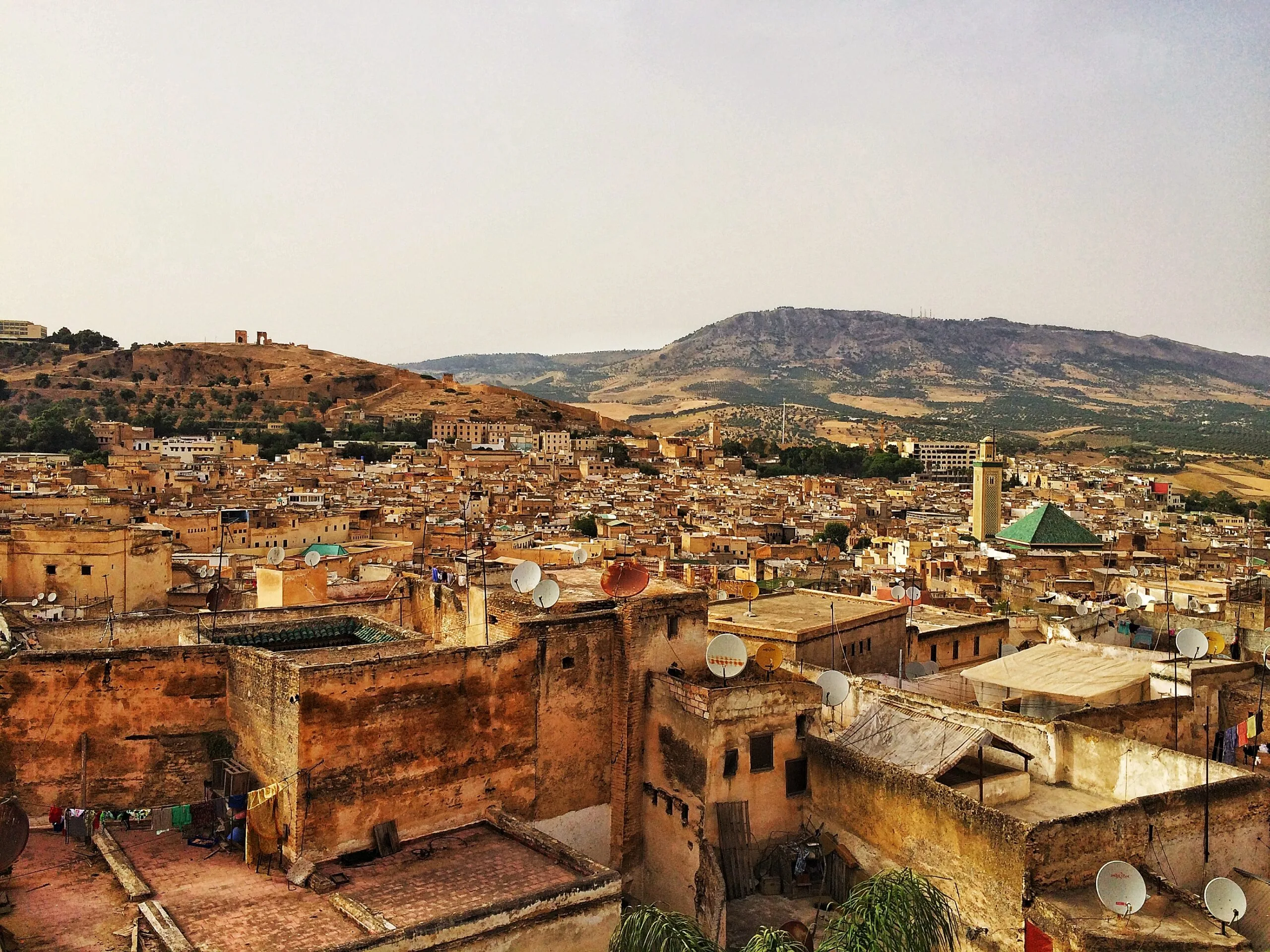
Step back in time as you pass through the magnificent blue gates of Fes el-Bali, the world’s largest surviving medieval car-free urban zone. As Morocco’s spiritual and intellectual cradle, this ancient city houses over **9,000 labyrinthine alleyways** filled with the sound of copper hammers, the rich aroma of spices, and the call to prayer echoing from centuries-old minarets. It is a sensory whirlwind where donkey-carts still serve as the primary transport and the medieval layout has remained practically unchanged since the 9th century.
This historic enclave is perfect for history enthusiasts, architectural lovers, and cultural explorers who want to experience authentic, medieval Moroccan life. The atmosphere is intense, energetic, and deeply religious, housing the world’s oldest continuously operating university, Al-Qarawiyyin. While navigating the narrow streets can feel overwhelming, travelers who embrace the chaos will discover beautiful hidden courtyards, traditional handicraft workshops, and a level of historical preservation unmatched anywhere else in the Islamic world.
Quick Facts
| Region | Fes-Meknes |
| Best time to visit | September to November (pleasant weather, harvest season) or March to May (mild spring temperatures) |
| Language | Moroccan Arabic (Darija), French, Tashelhit (Shilha Berber) |
| Currency | Moroccan Dirham (MAD) |
| Known for | Medieval medina, Chouara Tannery, Al-Qarawiyyin University, blue pottery |
| Day trips | Meknes imperial city (**60 km**), Volubilis Roman ruins (**80 km**), Moulay Idriss Zerhoun (**75 km**) |
Top Things To Do in Fes
Fes el-Bali (The Old Medina)
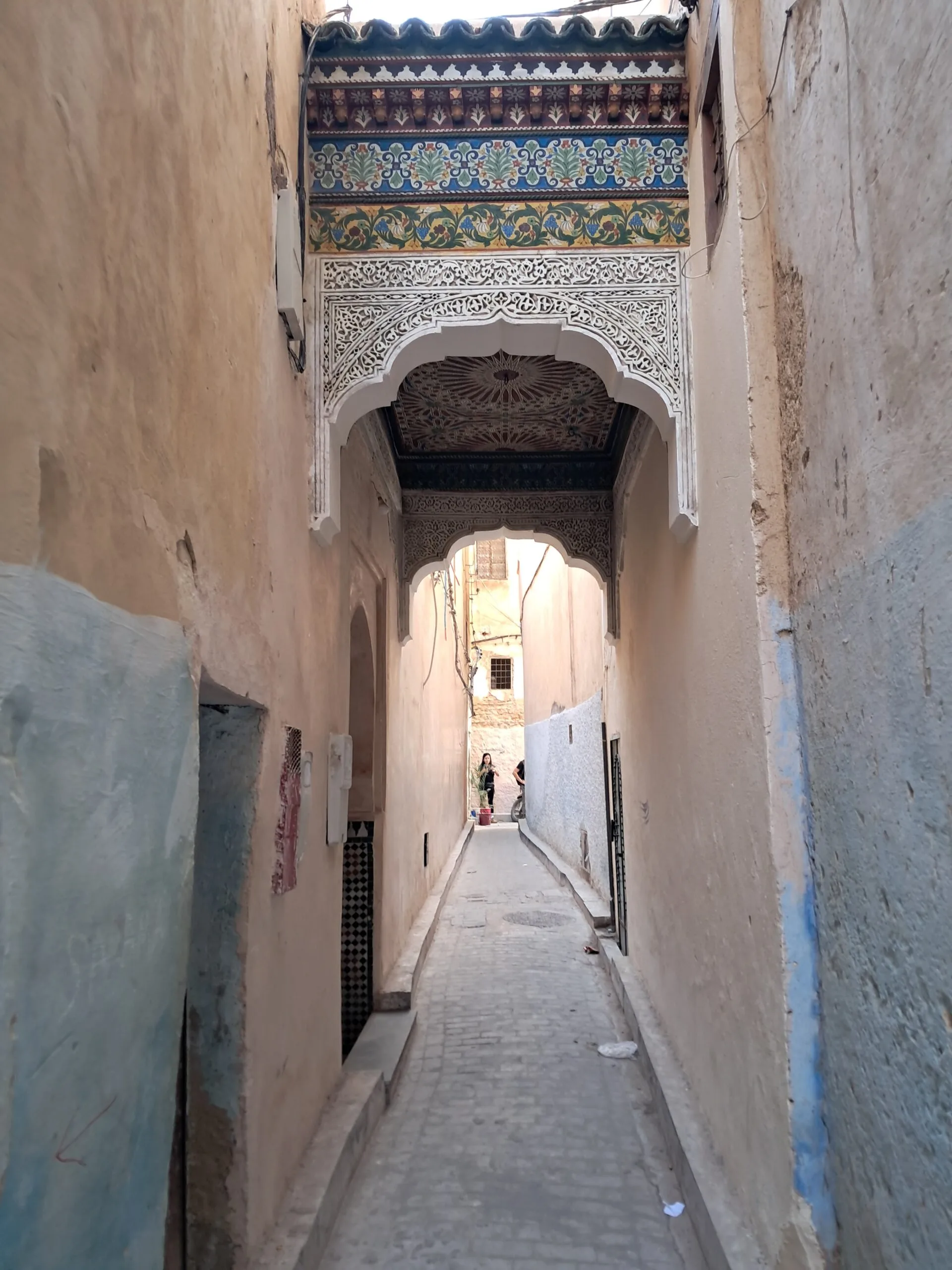
This UNESCO World Heritage site is a sprawling maze of narrow lanes, covered bazaars, historic caravanserais, and residential quarters. Walking through it feels like a journey into the Middle Ages, with street names based on the ancient guilds that still operate there, including metalworkers, weavers, and spice merchants. It is one of the most culturally dense places in North Africa.
Insider tip: Hire a licensed local guide through your Riad for your first day; they will help you navigate the confusing layout and prevent you from getting lost in the dead-end alleys.
Chouara Tannery
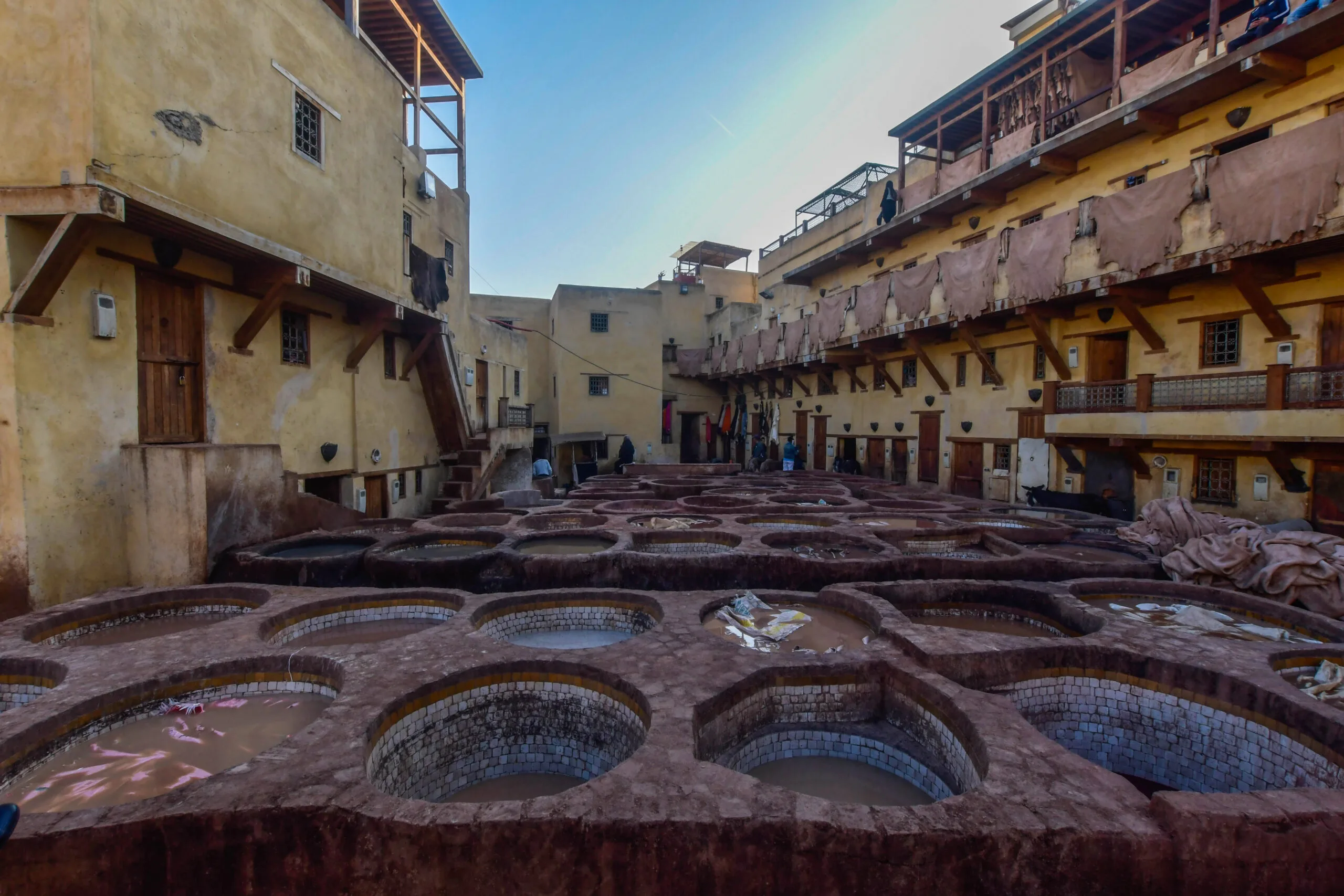
Operating since the 11th century, this iconic tannery is one of the oldest in the world, where animal skins are cured and dyed using traditional medieval methods. The stone vessels are filled with natural dyes like saffron for yellow, indigo for blue, and poppy for red, alongside pigeon droppings used to soften the leather. The view from the surrounding leather shop balconies offers an iconic, colorful sight.
Insider tip: Accept the fresh sprig of mint offered by the shopkeepers at the entrance; rubbing it under your nose is essential to mask the powerful, pungent smell of the curing hides.
Al-Qarawiyyin Mosque and University
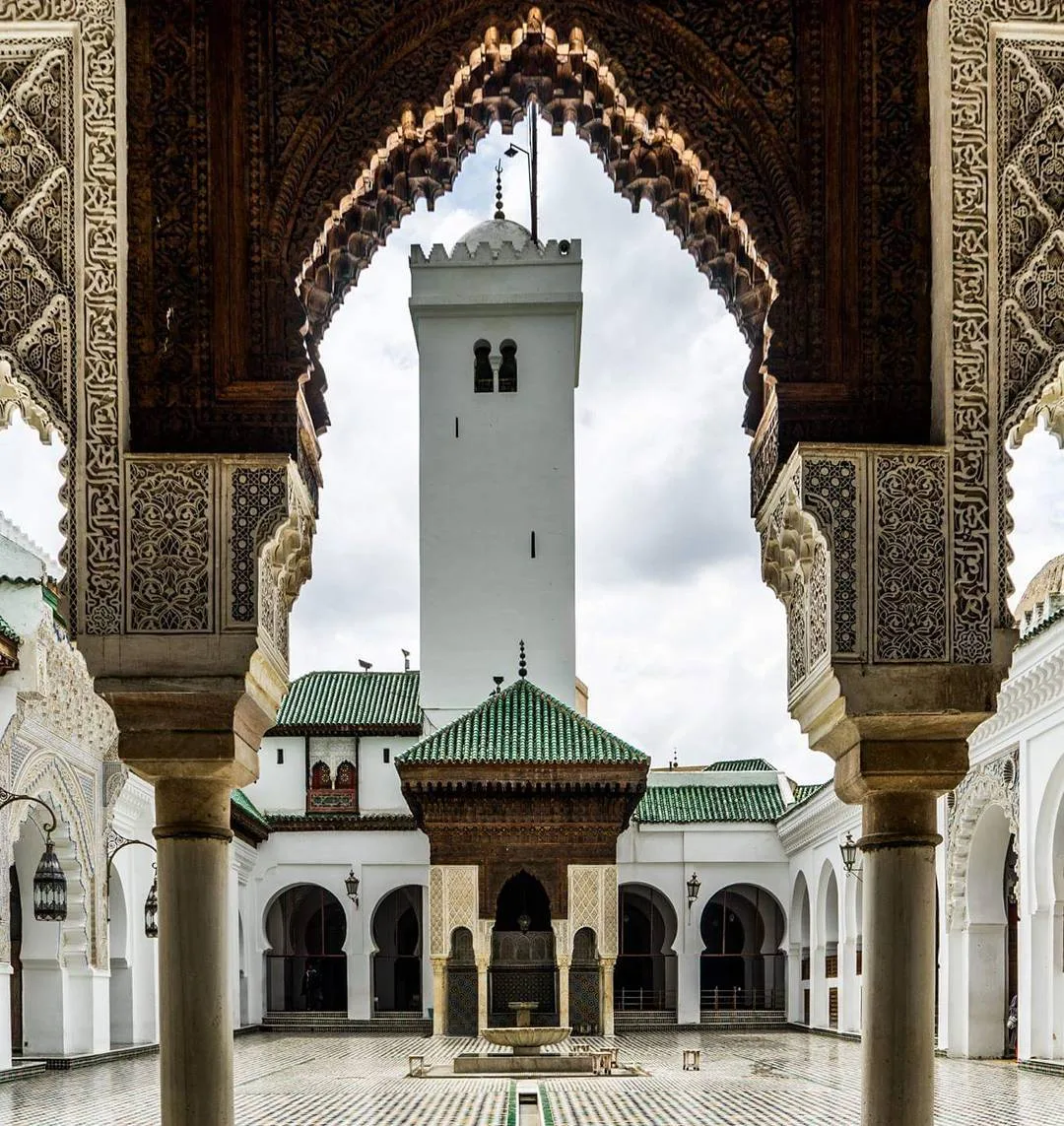
Founded in **859 AD** by a wealthy refugee woman named Fatima al-Fihri, this UNESCO-recognized institution is the oldest continuously operating university in the world. The stunning complex features a green-tiled roof, horseshoe arches, and a massive marble courtyard that serves as a spiritual heart for Islamic learning. While the interior is closed to non-Muslims, visitors can peer through the open doorways to admire the brilliant carvings.
Insider tip: Walk to the nearby Belghazi Museum or find high rooftops surrounding the mosque to get a panoramic view of the green roofs and minarets.
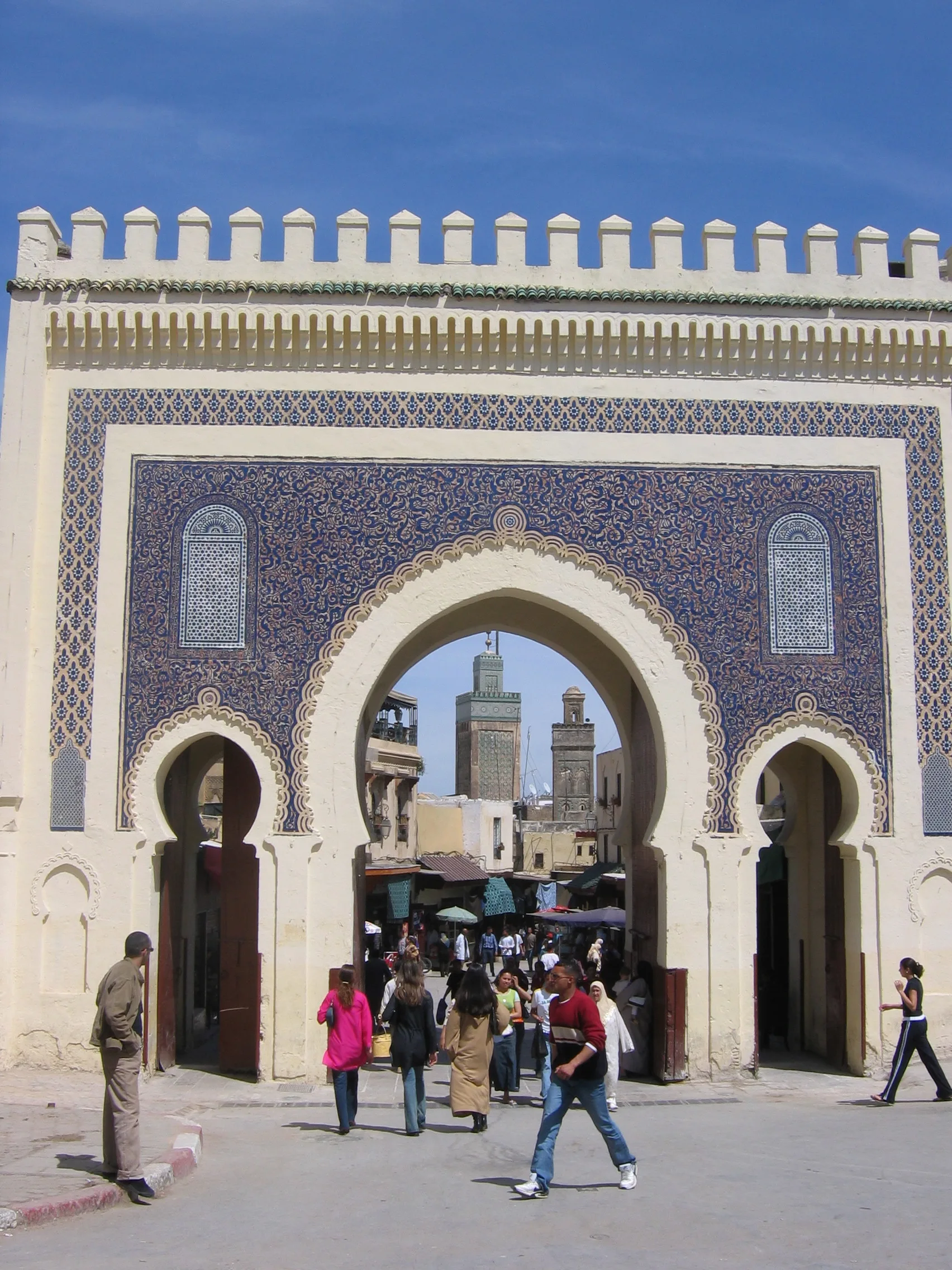
Bab Bou Jeloud (The Blue Gate)
This majestic gateway serves as the primary western entrance to the old medina of Fes el-Bali. The outer facade is decorated with beautiful blue mosaic tiles representing the traditional color of Fes, while the inner side is green, the color of Islam. The surrounding plaza is filled with lively cafes and street vendors, making it a popular meeting spot.
Insider tip: Sit at one of the rooftop cafes directly overlooking the gate in the late afternoon to enjoy a glass of mint tea while watching the gate illuminate at dusk.
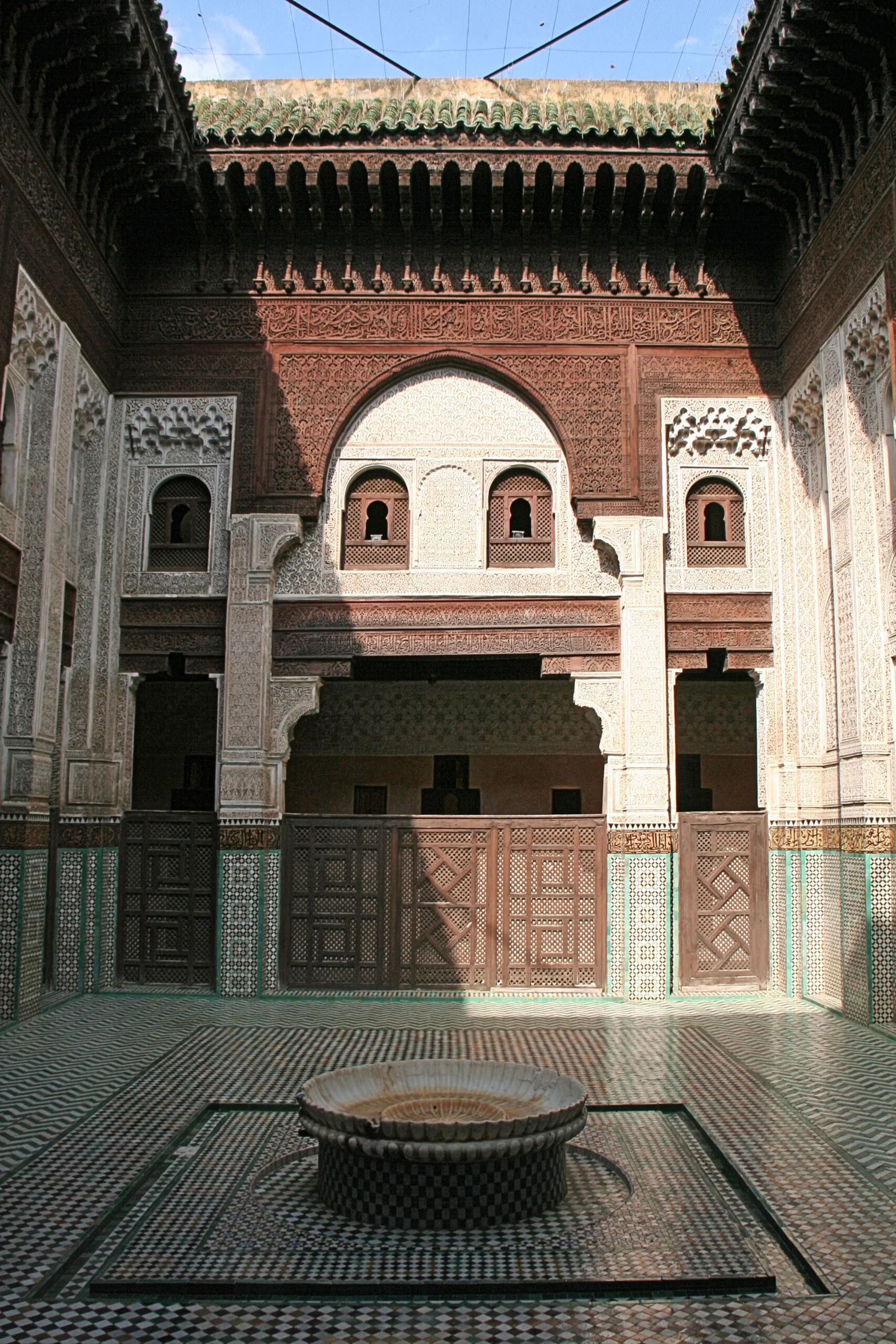
Bou Inania Medersa
Built in the 14th century by Sultan Abu Inan Faris, this former Islamic school is a masterwork of Marinid architecture. It is one of the few religious buildings in Fes that non-Muslims can enter, showcasing walls covered in intricate carved plaster, cedarwood panels, and vibrant zellige mosaics. The courtyard features a beautiful central fountain and a functioning mosque.
Insider tip: Pay close attention to the carved cedarwood friezes near the roof; they contain hand-carved Quranic calligraphy that has survived for over 600 years.
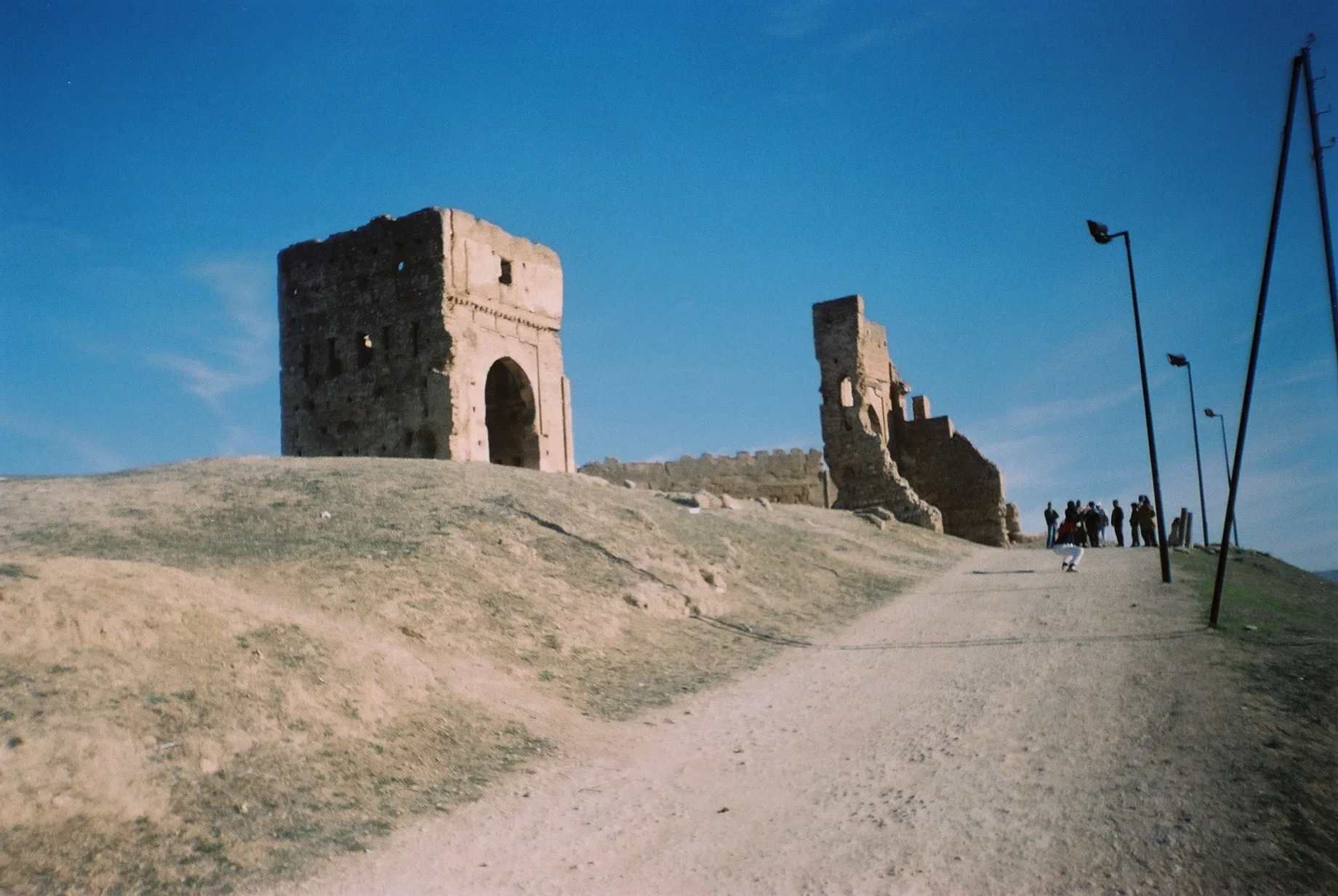
The Marinid Tombs
These ruined 14th-century monumental tombs sit on a hilltop just north of the medina walls, housing the remains of the Marinid dynasty. While the structures themselves are half-ruined, the hilltop offers the most breathtaking, uncrowded panoramic views of the entire medina basin. It is a popular spot for photography and quiet contemplation.
Insider tip: Take a red Petit Taxi up to the tombs for about **15 MAD**, and make sure to visit in the late afternoon to watch the sun set over the old city.
Best Time To Visit
Fes experiences a continental climate with hot summers and cold winters, making seasonal planning crucial for a comfortable trip. Autumn (September to November) is the ideal season, bringing warm, sunny days averaging 22°C to 26°C and cool evenings, perfect for walking the hilly medina streets.
Spring (March to May) is another beautiful window, with temperatures averaging 20°C and surrounding valleys covered in green, though occasional rain occurs. Summer (June to August) is extremely hot, with temperatures often soaring past 40°C. The narrow lanes of the medina can feel stifling, and many historic Riads lack modern cooling, though this is the quietest season for international tourists. Winter (December to February) is cold and wet, with daytime temperatures averaging 12°C and dropping to 5°C at night. Because old stone Riads are designed to keep heat out, they can feel very cold in winter, requiring heavy clothing. We recommend visiting in October to enjoy mild temperatures, pleasant sunny days, and comfortable conditions for sightseeing.
How To Get There
By Plane
Fes is served by **Fes-Saïss Airport (FEZ)**, located **15 km** south of the city center. The airport receives direct flights from major European cities and daily domestic connections from Casablanca. A licensed grand taxi from the airport terminal to the medina costs a fixed rate of **150 MAD** during the day and **200 MAD** at night. Alternatively, take **Bus Line 16** from the airport to the train station in the new town for **4 MAD**, departing every 30 minutes.
By Train
Fes has a modern train station, **Gare de Fes**, located in the new town (Ville Nouvelle). It is connected to the high-speed Al Boraq train network via Casablanca. A train from Casablanca takes **3.5 hours** and costs **120 MAD to 180 MAD**, while the journey from Marrakech takes **6.5 hours** (costing **200 MAD**). High-speed connections from Tangier take **3 hours** via a change at Kenitra.
By Bus
The main bus terminal is located at Bab el-Mahrouk, just outside the medina walls, while the premium **CTM** bus company operates from its own private terminal in the new town. CTM buses run daily from Marrakech (**8 hours**, **180 MAD**), Chefchaouen (**4.5 hours**, **90 MAD**), and Rabat (**3 hours**, **80 MAD**).
By Car
If you drive, Fes is connected to Rabat and Casablanca by the modern **A2 toll highway (Auto-route)**. The drive from Rabat covers **200 km** of excellent highway, taking approximately **2 hours** of driving. Tolls from Rabat cost **60 MAD**. Driving from Marrakech via the highway takes **5.5 hours** over a distance of **480 km**.
Where To Stay
Budget (under 300 MAD/night)
For budget accommodations, explore the neighborhood of **Batha** or the streets near **Bab Bou Jeloud**. These areas are close to the medina entrance, meaning you do not have to carry luggage deep into the labyrinth. Look for clean, family-run guesthouses (known as Dars) that offer rooftop terraces and local breakfast.
- Dar Rabha: Located near the Blue Gate, this friendly hostel and guest house offers clean dorms and private rooms, with a magnificent rooftop terrace starting around **180 MAD** per night.
- Dar Bensouda: A beautifully restored budget guest house offering traditional rooms, zellige courtyard tiles, and a cozy lounge starting at **280 MAD** per night.
Mid-range (300-800 MAD/night)
The best area for mid-range stays is the **Ziat** or **Batha** districts. These residential areas feature stunning, authentic Riads that have been converted into boutique hotels. Properties in this bracket offer private bathrooms, air conditioning, traditional fireplaces, and cooked breakfasts.
- Riad Rcif: A beautifully restored 14th-century riad featuring soaring ceilings, historic plasterwork, and a panoramic rooftop terrace starting at **550 MAD** per night.
- Riad Maya: Positioned in Batha, offering comfortable rooms, a traditional spa, and excellent breakfast starting around **680 MAD** per night.
Luxury (800+ MAD/night)
For luxury, seek out grand Riads located in the **Palais Jamai** area or the quiet **Ziat** neighborhood. Staying here guarantees massive courtyards, heated swimming pools, world-class spas offering private hammam treatments, and fine dining.
- Riad Fes – Relais & Châteaux: A stunning luxury hotel blending contemporary design with traditional Moroccan architecture, featuring a pool, a spa, and views over the medina starting at **1,900 MAD** per night.
- Karawan Riad: An intimate boutique hotel featuring individually designed suites, museum-quality antiques, and a premium rooftop hammam starting at **1,600 MAD** per night.
Where To Eat & Local Food
Fes is globally recognized as the culinary capital of Morocco, famous for complex sweet-and-savory dishes. Do not miss:
- Pastilla (Bastilla): A magnificent flaky pastry pie stuffed with shredded pigeon or chicken, almonds, sugar, and cinnamon, baked to a golden crisp.
- Tajine Lahlou: A slow-cooked lamb tajine prepared with sweet prunes, toasted almonds, sesame seeds, and orange blossom water.
- Khlea (Spiced Dried Beef): A local delicacy of dried beef preserved in animal fat, typically cooked with eggs and served for breakfast with fresh bread.
- Harira: A rich, tomato-based soup loaded with lentils, chickpeas, and fresh herbs, served with sweet dates.
For dining, avoid the tourist-heavy restaurants near Bab Bou Jeloud, which charge high prices for average food. Instead, head to the local food stalls inside **Souk Achabine** for authentic tajines, or explore the simple grill cafes in the **Jewish Mellah**, which serve fresh beef skewers and salads. Always buy fresh nougat and honey-drenched pastries from local medina stalls in the afternoon, and try the local cactus fruit.
Practical Tips
- Safety: Fes is generally safe, but pickpocketing is common in crowded markets like Souk Attarine. Ignore aggressive street hustlers (locally called “faux guides”) who offer to show you the way or take you to tanneries; politely but firmly decline.
- Dress Code: Fes is a deeply traditional and religious city. Dress conservatively by covering your shoulders and knees when exploring the medina; avoid tight or revealing clothing.
- Best Neighborhoods: Stroll the historic **Batha** for cafes, explore the **Mellah** for jewelry and history, and walk the Ville Nouvelle for modern shopping.
- Getting Around: The medina is pedestrian-only, steep, and has thousands of steps, so you must walk. Wear comfortable walking shoes. For travel to the train station or Ville Nouvelle, use the red **Petit Taxis** which are metered, costing **10 MAD to 20 MAD**.
- Tipping: Tipping is common. Leave **5% to 10%** at casual cafes and restaurants, and round up the bill for taxi drivers.
- Useful Phrases: Use **”Shokran”** (Thank you), **”Balak!”** (Watch out! – used when donkeys or carts are passing in the medina), and **”Bshal?”** (How much?) to communicate.
- What to Avoid: Avoid entering active mosques unless you are Muslim, as they are strictly closed to non-Muslims. Avoid buying carpets from shops without comparing prices first, as markups can be extreme.
Planning Your First Trip with Klook?
Use the link below to sign up and book your activities with Klook to claim exclusive discounts and promo offers on your tours.
Claim Discount & Book NowFrequently Asked Questions
Q: Is fes safe for tourists?
A: Yes, Fes is generally safe for tourists, though petty scams and pickpocketing are common in the medina. You should remain vigilant against unofficial guides who offer “free” tours but pressure you into expensive shops.
Q: How many days do I need in fes?
A: You need two days to explore the main sights of the medina, visit the tanneries, and shop. If you plan to take day trips to the Roman ruins of Volubilis or Meknes, extend your stay to four days.
Q: What is fes known for?
A: Fes is famous for housing the world’s largest medieval medina, Fes el-Bali, and the historic Chouara Tannery. It is also globally recognized for Al-Qarawiyyin University, the oldest continuously operating university in the world.
Q: What is the best time to visit fes?
A: The best time to visit Fes is from September to November or March to May when temperatures are mild and comfortable. Summer is extremely hot, with temperatures exceeding 40°C, while winter can feel cold in old stone Riads.
Q: How do I get from Marrakech to fes?
A: The most convenient way is to take a direct domestic flight or ride the train, which takes six and a half hours. Driving via the highway takes approximately five and a half hours.
Q: Is fes worth visiting?
A: Yes, Fes is highly worth visiting to experience the authentic, medieval atmosphere of its massive car-free medina. It offers a deeper, more historic look at Moroccan culture than the modernized coastal cities.