
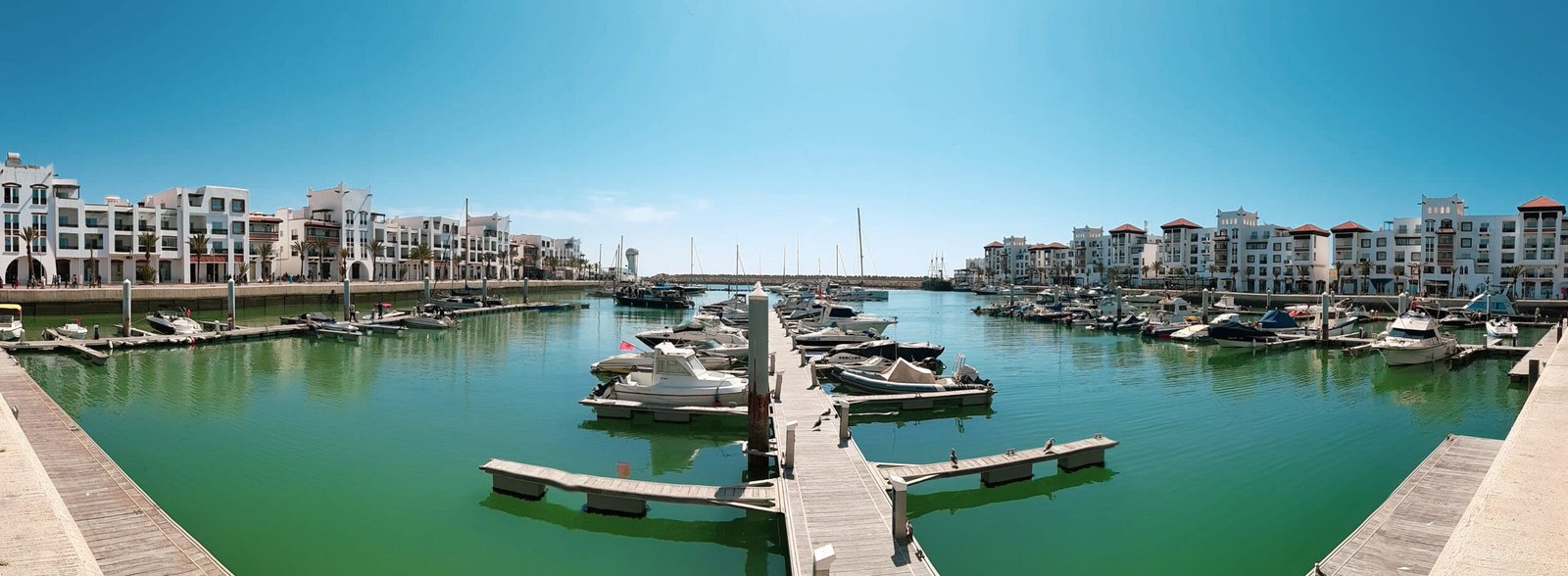
Agadir Travel Guide
Morocco’s Sun-Drenched Coastal Haven
Introduction
Agadir sweeps along Morocco’s southern Atlantic coast as a modern, sun-drenched resort town that marches to its own laid-back beat. Completely rebuilt after a catastrophic earthquake in 1960, the city traded traditional narrow alleyways for wide, palm-lined avenues, manicured parks, and a sparkling six-kilometer crescent of golden sand. It is a destination designed for relaxation, where the cool sea breeze tempers the Sahara’s heat and the Atlantic Ocean invites travelers to slow down.
This coastal enclave is perfect for sun-seekers, active families, and water sports enthusiasts who prioritize outdoor living and resort comfort over ancient history. Here, days revolve around oceanfront strolls, fresh seafood dining at the marina, and exploring the Souss-Massa region. The atmosphere feels contemporary and breezy, blending European holiday amenities with warm Moroccan hospitality. While you will not find the medieval chaos of Marrakech or Fes here, Agadir offers a safe, clean, and highly accessible introduction to Morocco’s Atlantic coast.
Quick Facts
| Region | Souss-Massa |
| Best time to visit | June to September (beach weather) or March to May (sightseeing) |
| Language | Tashelhit (Shilha Berber), Moroccan Arabic (Darija), French |
| Currency | Moroccan Dirham (MAD) |
| Known for | Six-kilometer sandy beach, argan oil production, surfing, modern resort vibe |
| Day trips | Taghazout surf village (30 km), Paradise Valley (35 km), Tiout Oasis (85 km) |
Top Things To Do in Agadir
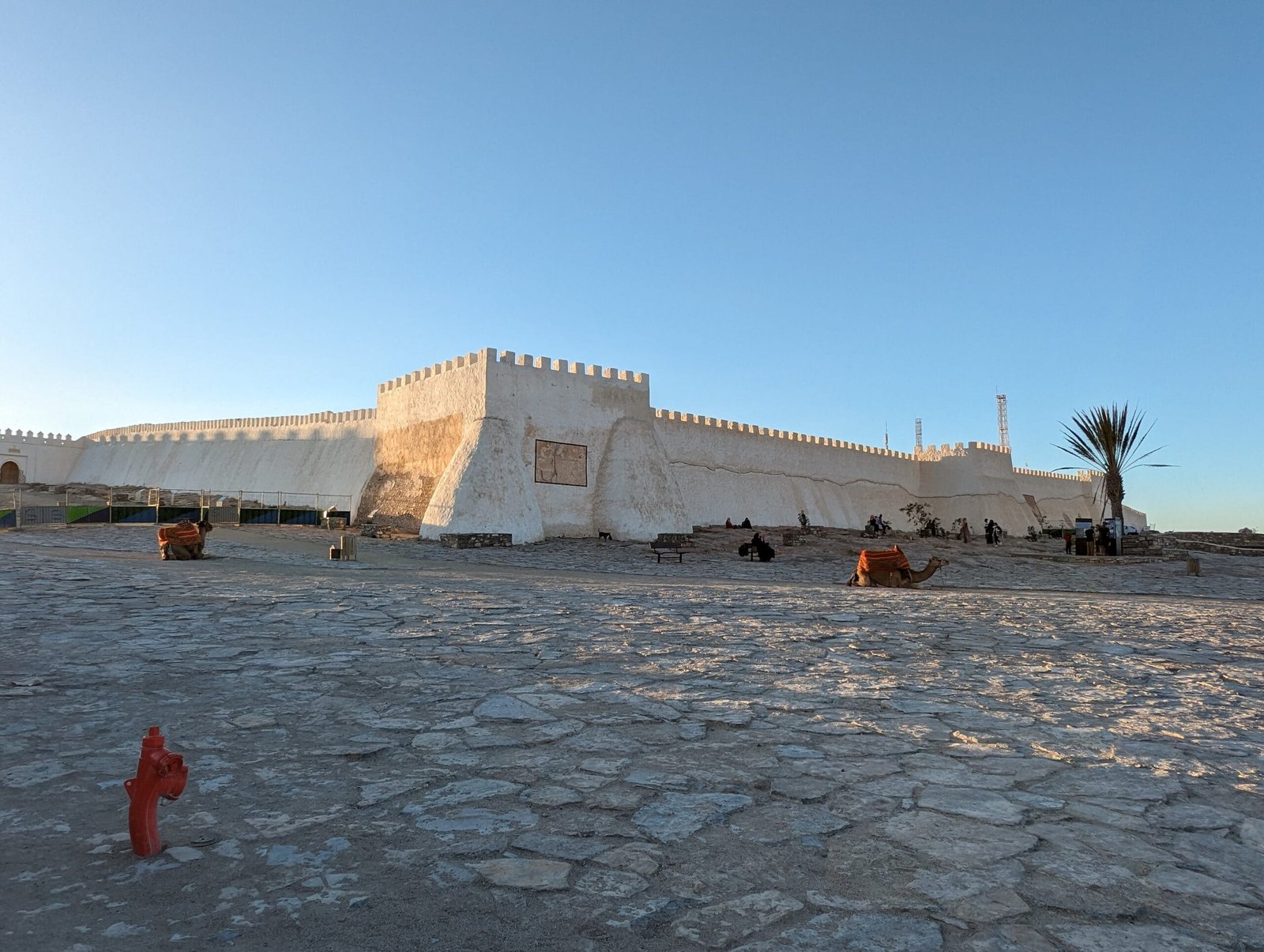
Agadir Oufella (The Kasbah)
This historic hilltop fortress stands 236 meters above sea level, offering the most iconic panoramic views of Agadir’s crescent bay and bustling commercial port. Although the devastating 1960 earthquake leveled the interior of this 16th-century stronghold, the majestic outer stone walls remain beautifully restored. Visitors can ride the modern cable car from the city center directly to the hilltop gates.
Insider tip: Ride the cable car up in the late afternoon to watch the sun sink into the Atlantic Ocean as the city lights slowly flicker to life below.
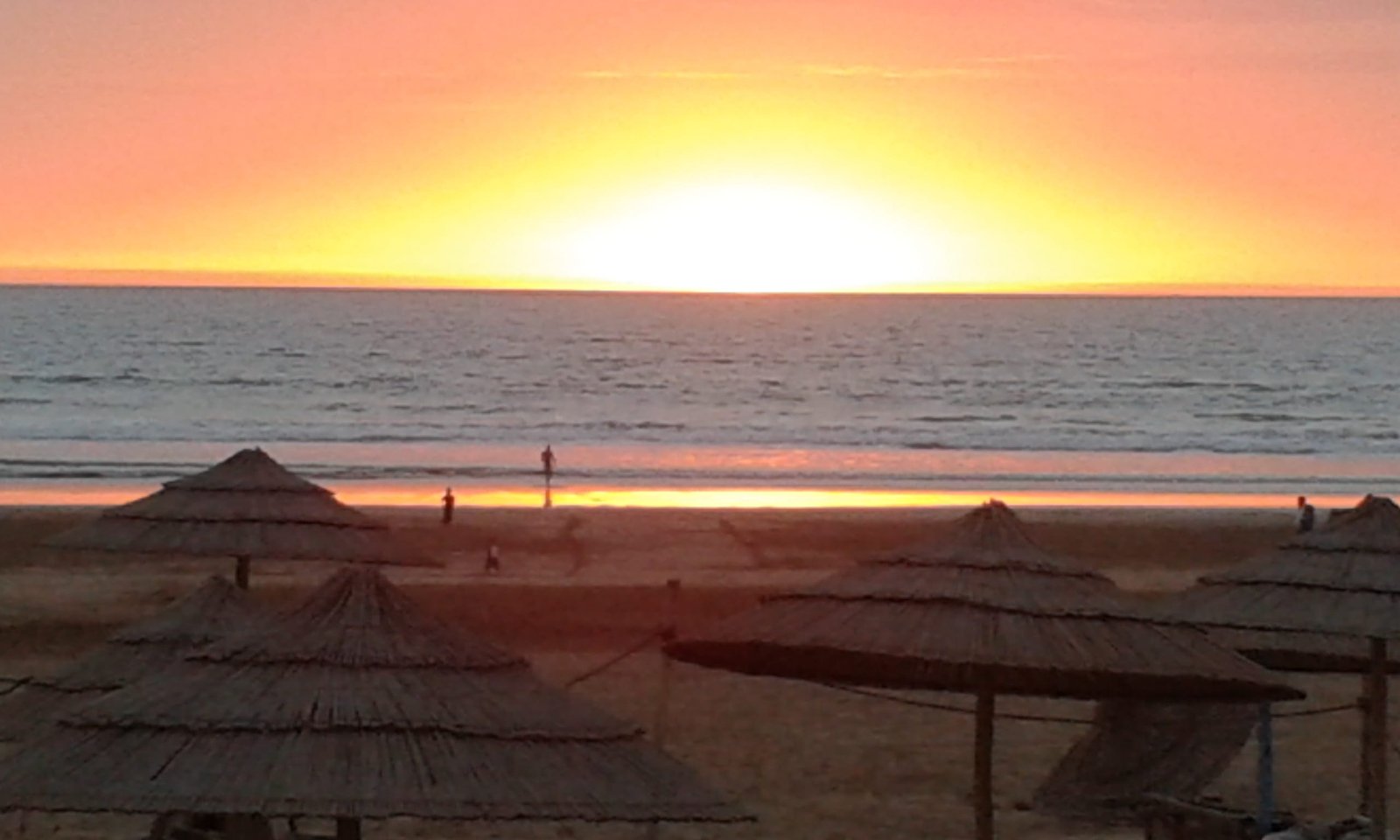
The Beach Promenade
A wide, paved pedestrian promenade runs parallel to Agadir’s clean sandy shore, stretching for over five kilometers. It serves as the primary social hub of the city, lined with bustling outdoor cafes, seafood restaurants, and international hotels. The bay’s natural curve shelters the beach from heavy ocean swells, creating exceptionally safe conditions for swimming.
Insider tip: Walk to the southern end of the promenade near the Royal Palace gates to find quieter sandy spots away from the resort crowds.
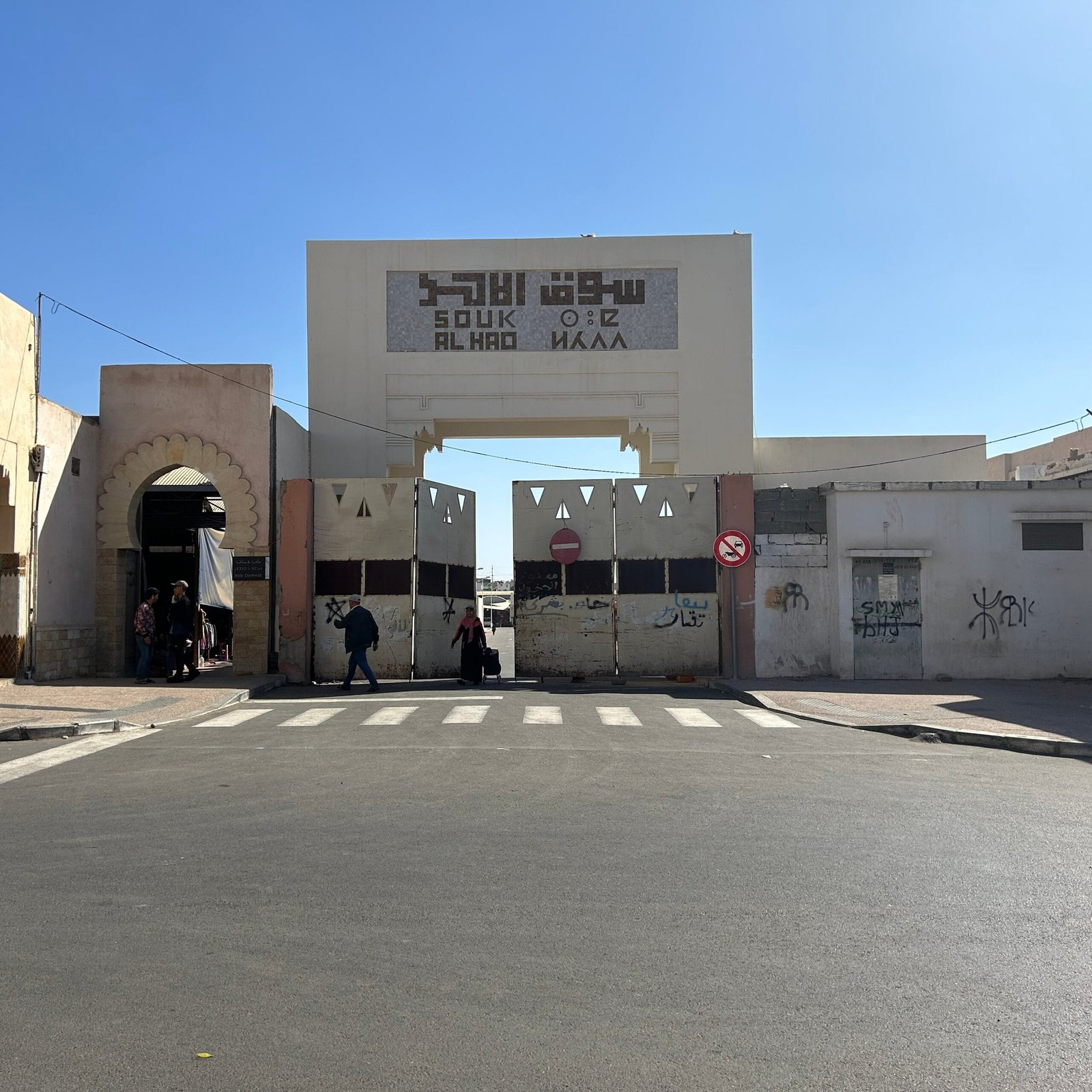
Souk El Had
As the largest urban market in the Souss-Massa region, this walled market features over 6,000 stalls selling spices, fresh produce, leather goods, and pure argan oil. The vibrant complex has twelve distinct gates, helping visitors navigate the vast array of traditional Moroccan crafts and household goods. It offers an authentic shopping experience where locals buy their daily essentials.
Insider tip: Enter through Gate 5 or Gate 6 to access the aromatic spice and herbs section, and always purchase argan oil from certified local women’s cooperatives inside.
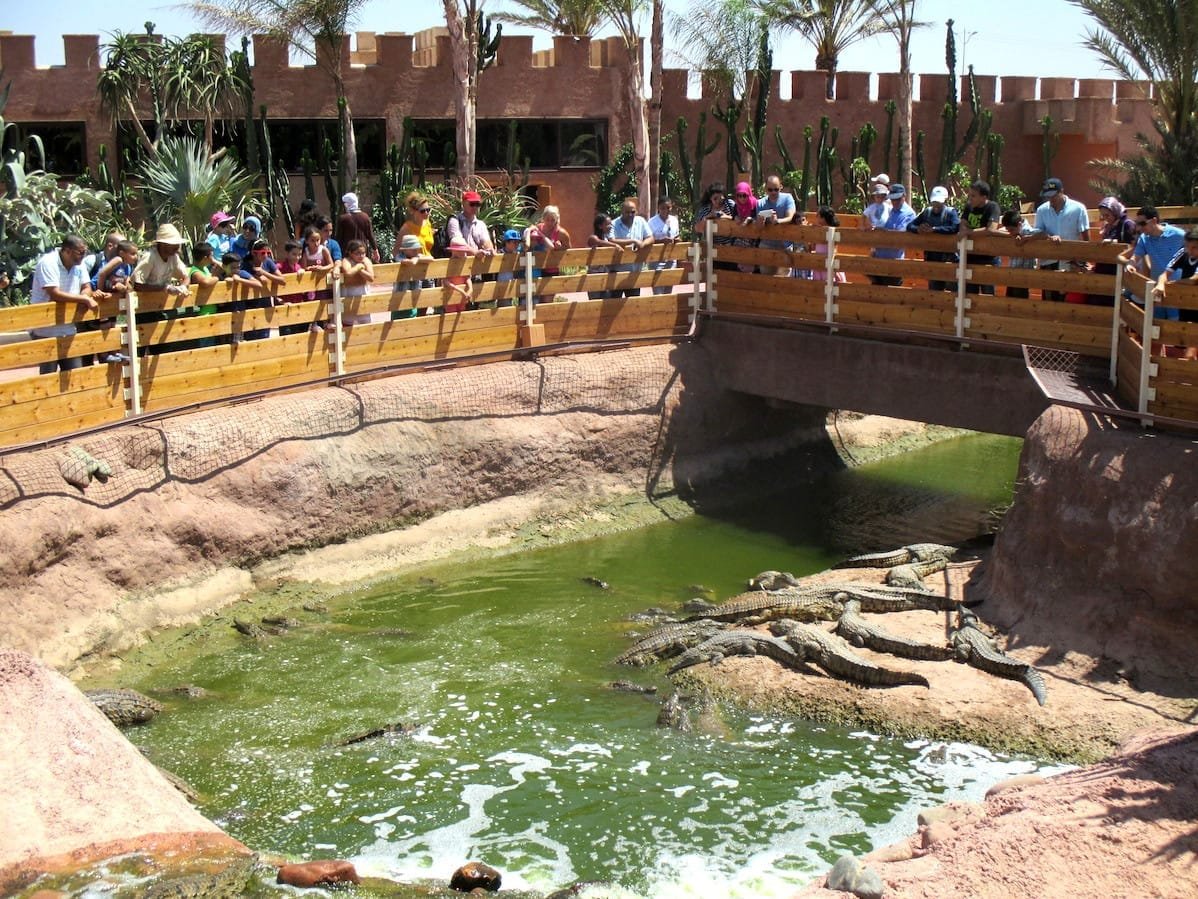
Crocoparc
Located on the eastern outskirts of the city, this ecological park houses over 300 Nile crocodiles in beautifully landscaped botanical gardens. The park features lush water lily ponds, giant cacti, and bamboo groves, offering a safe environment to observe these massive reptiles. Educational trails explain the conservation efforts and history of the species in North Africa.
Insider tip: Plan your arrival around 3:00 PM to watch the crocodiles congregate near the shores for their daily feeding session.
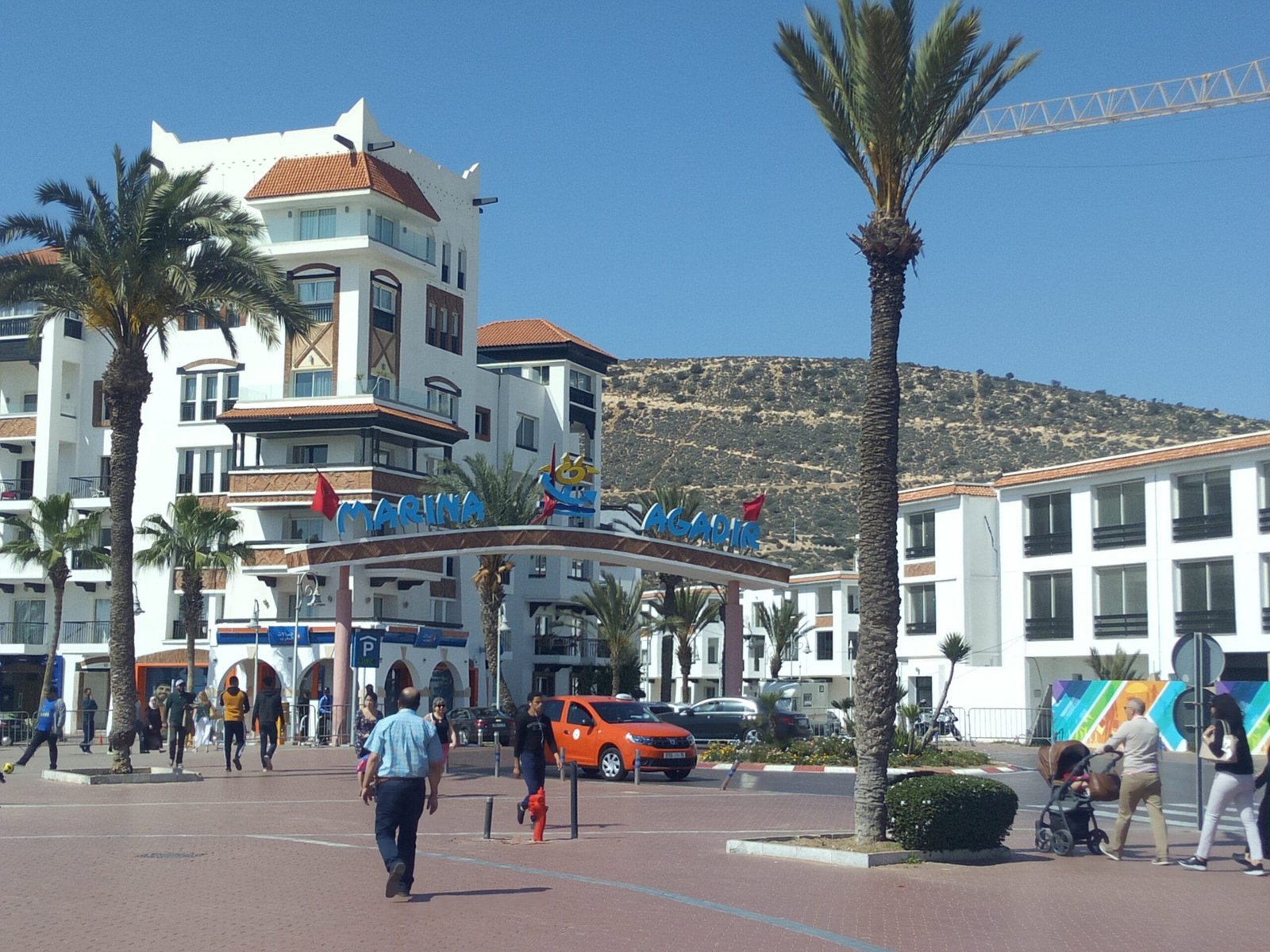
Agadir Marina
Situated at the northern edge of the beach, this modern marina offers a sophisticated atmosphere filled with luxury yachts, fashion boutiques, and waterfront apartments. Visitors can enjoy a coffee at the harborside cafes while watching yachts navigate the harbor basin. It provides a peaceful, clean space to walk and enjoy views of the Kasbah hill.
Insider tip: Walk past the luxury yachts toward the commercial fishing port boundary to find local wooden stalls selling freshly grilled sardines for a fraction of restaurant prices.
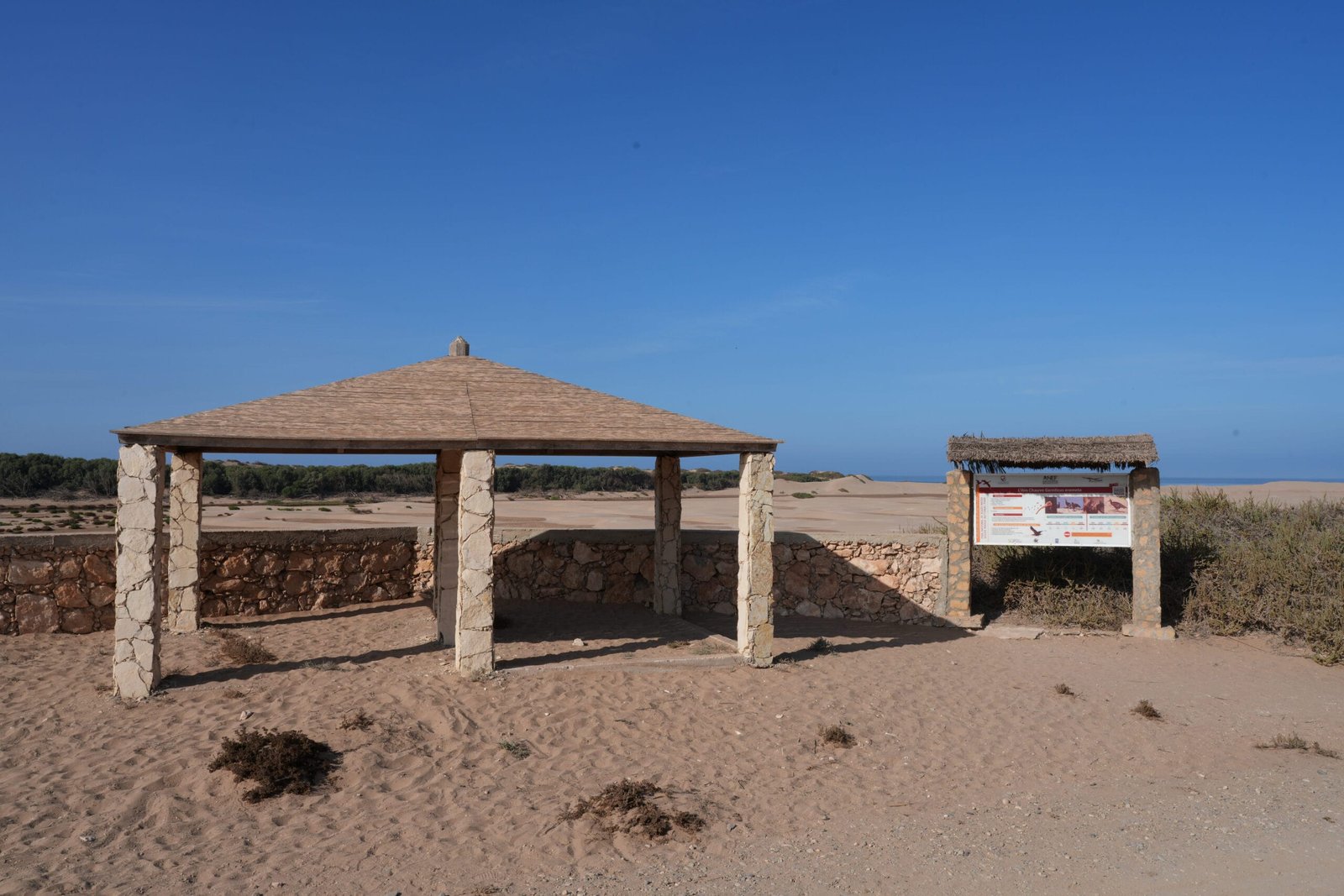
Souss-Massa National Park
This protected ecological reserve lies 40 km south of Agadir, encompassing diverse habitats like sand dunes, wetlands, and dramatic estuaries. It protects the world’s largest remaining wild population of the endangered Northern Bald Ibis, alongside flamingos and ostriches. The park is a paradise for birdwatchers and nature enthusiasts.
Insider tip: Hire an official local guide at the Massa entrance park station; they know the precise nesting locations of the ibises and will prevent you from disturbing the wildlife.
Best Time To Visit
The climate of Agadir remains highly temperate year-round, making it a viable destination during any season. During the summer months (June to August), temperatures average a comfortable 26°C to 28°C, prevented from soaring by the cool Atlantic Canary Current. This is the peak tourist season when domestic travelers from Marrakech and European sun-seekers pack the beach, causing hotel prices to rise significantly.
Autumn (September to November) brings a peaceful calm. The Atlantic waters remain warm enough for swimming, while temperatures hover around 24°C. Crowds thin out, and accommodation prices drop, making this the ideal window for budget-conscious travelers. Winter (December to February) is mild and pleasant, with daytime temperatures averaging 20°C. While evenings require a warm jacket, this season attracts surfers seeking massive Atlantic swells in nearby Taghazout, as well as European retirees escaping northern winters.
Spring (March to May) is dry and sunny, with temperatures averaging 22°C. Wildflowers carpet the surrounding Souss Valley, making it the perfect time for hiking and sightseeing. We recommend visiting in September to enjoy warm sea temperatures, lower prices, and peaceful beaches.
How To Get There
By Plane
Agadir is served by **Al Massira Airport (AGA)**, located **25 km** southeast of the city center. The airport receives direct flights from major European cities and daily domestic connections from Casablanca. A licensed grand taxi from the airport terminal to the tourist zone costs a fixed rate of **220 MAD** during the day and **265 MAD** at night. Alternatively, take **Bus Line 37** from the airport to the suburb of Inezgane for **5 MAD**, then transfer to a local bus or shared taxi to the city center.
By Train
Agadir has **no direct rail connection**. The high-speed Al Boraq train line terminates in Casablanca, while regular trains run as far south as Marrakech. If you travel from northern cities like Tangier or Rabat, take the train to Marrakech train station, then transfer to an onward connection.
By Bus
Since there is no train station, long-distance buses serve as the primary public transport link. Premium national operators **CTM** and **Supratours** run multiple daily departures. A bus from Marrakech takes **3.5 hours** and costs between **100 MAD and 130 MAD**. Buses from Casablanca require **7 hours** and cost **200 MAD to 250 MAD**, while the coastal route from Essaouira takes **3 hours** and costs **80 MAD**.
By Car
If you drive, Agadir is connected to Marrakech by the modern **A7 toll highway (Auto-route)**. The highway covers a distance of **250 km** through the High Atlas Mountains, taking approximately **2.5 to 3 hours** of driving. Tolls from Marrakech to Agadir cost **80 MAD**. Driving from Casablanca along the coastal highway takes **5.5 hours** over a distance of **460 km**.
Where To Stay
Budget (under 300 MAD/night)
For budget accommodations, explore the neighborhood of **Talborjt**. This residential district lies north of the city center and was rebuilt immediately after the earthquake. Look for clean, family-run guesthouses (known locally as pensions) around **Place Bir Anzarane** which typically offer basic private rooms with shared bathrooms and access to sunny rooftop terraces.
- Hotel Sindibad: Located in Talborjt, this clean budget hotel features a lovely rooftop terrace, helpful staff, and a small plunge pool, starting around **250 MAD** per night.
- Hotel Kamal: A long-standing family favorite near the city center, offering simple rooms surrounding a pleasant courtyard garden and swimming pool, starting at **280 MAD** per night.
Mid-range (300-800 MAD/night)
The best area for mid-range stays is the **Founty district** (also known as the tourist zone) situated just behind the beach promenade. Here, you will find modern apartment-hotels and mid-range resort chains. Properties in this bracket offer private air-conditioned rooms, buffet breakfasts, and access to large communal swimming pools.
- Ibis Agadir Center: A reliable, modern hotel located close to the tourist zone and the beach, featuring clean rooms, air conditioning, and a nice outdoor pool starting at **450 MAD** per night.
- Atlantic Hotel Agadir: Positioned in the city center, this hotel offers traditional Moroccan decor, a private beach section, a wellness spa, and an outdoor pool, starting around **650 MAD** per night.
Luxury (800+ MAD/night)
For luxury, seek accommodations directly on the beachfront along **Boulevard du 20 Août** or in the exclusive **Agadir Marina**. Staying here guarantees direct private beach access, world-class spas offering traditional hammam treatments, fine dining restaurants, and heated infinity pools overlooking the Atlantic Ocean.
- Sofitel Agadir Royal Bay Resort: A stunning beachfront resort blending Moroccan architecture with French luxury, featuring a private beach, a massive pool complex, and fine dining, starting at **1,500 MAD** per night.
- Hyatt Place Taghazout Bay: Located **17 km** north of Agadir on a cliff overlooking the ocean, this luxury property offers panoramic sea views, a golf course, and premium spa facilities, starting at **1,200 MAD** per night.
Where To Eat & Local Food
The Souss-Massa region is famous for fresh Atlantic seafood and unique Berber culinary traditions. Do not miss these local dishes:
- Tajine Souss: A unique Berber tajine featuring a towering pyramid of seasonal vegetables (zucchini, carrots, turnips, and potatoes) surrounding beef or lamb, cooked slowly over hot charcoal and seasoned with argan oil.
- Grilled Sardines: Agadir is one of the world’s largest exporters of sardines. Local eateries grill them fresh over charcoal, served simple with lemon, cumin, and sea salt.
- Amlou: A delicious, thick paste made from roasted almonds, pure culinary argan oil, and honey, served warm with freshly baked bread.
- Tafarnout Bread: A traditional round, flat sourdough bread baked over hot river stones inside a clay dome oven, leaving small dimples on the crust.
For dining, avoid the tourist restaurants directly on the main beach promenade, which charge high prices for mediocre international food. Instead, head to the local fish market stalls located inside **Souk El Had** or the simple wooden grills near the **commercial port**, where you can point to the fresh catch of the day and have it grilled to order. Another excellent area is the **Talborjt district**, which is packed with local cafes serving authentic tajines and bowls of steaming harira soup. Always check if the restaurant serves authentic argan oil with bread at the start of the meal, and ensure they bake their Tafarnout bread fresh on-site.
Practical Tips
- Safety: Agadir is one of the safest cities in Morocco, with extremely low violent crime rates. However, pickpocketing occurs in crowded areas like Souk El Had, and you should ignore unofficial guides offering “free” tours near the Kasbah or harbor.
- Dress Code: The tourist zone and beach promenade are very relaxed, where swimwear and shorts are common. However, when exploring Souk El Had, local residential neighborhoods, or dining in the city center, dress respectfully by covering your shoulders and knees.
- Best Neighborhoods: Walk through the peaceful lanes of **Talborjt** for local culture, stroll the upscale **Marina** for yacht views, and explore the **Tourist Zone** for beach activities.
- Getting Around: Use the red **Petit Taxis** for travel within the city. They are metered; ensure the driver turns on the meter (“compteur”) before the car moves. A short ride costs **10 MAD to 20 MAD**.
- Tipping: Tipping is common practice. Leave **5% to 10%** at casual cafes and restaurants, and round up the fare for taxi drivers.
- Useful Phrases: Use **”Aji”** (Come), **”Shokran”** (Thank you), and **”Bshal hada?”** (How much is this?) to communicate with locals.
- What to Avoid: Avoid buying argan oil from street vendors outside the market, as it is often diluted with vegetable oil. Avoid swimming in unmonitored beach zones where strong Atlantic undertows are common.
Planning Your First Trip with Klook?
Use the link below to sign up and book your activities with Klook to claim exclusive discounts and promo offers on your tours.
Claim Discount & Book NowOr scan the QR code to book on your phone:

Frequently Asked Questions
Q: Is agadir safe for tourists?
A: Yes, Agadir is widely considered one of the safest cities in Morocco for international travelers. Violent crime is extremely rare, but you should remain vigilant against petty theft and pickpocketing in crowded areas like Souk El Had.
Q: How many days do I need in agadir?
A: You need two to three days to explore the main sights, visit the Kasbah, shop at Souk El Had, and enjoy the beach. If you plan to use the city as a base for day trips to Paradise Valley or Taghazout, extend your stay to five days.
Q: What is agadir known for?
A: Agadir is famous for its six-kilometer crescent sandy beach, modern resort amenities, and over 300 days of annual sunshine. It is also globally recognized as the gateway to the Souss-Massa region, the heart of Morocco’s argan oil production.
Q: What is the best time to visit agadir?
A: The best time to visit Agadir is from June to September for ideal beach weather and warm ocean waters. Alternatively, March to May offers pleasant spring temperatures that are perfect for hiking and outdoor sightseeing.
Q: How do I get from Marrakech to agadir?
A: The most convenient way to travel from Marrakech is by driving via the A7 toll highway, which takes about three hours. If you prefer public transport, premium bus services like CTM and Supratours run regular daily trips taking three and a half hours for 100 MAD to 130 MAD.
Q: Is agadir worth visiting?
A: Yes, Agadir is worth visiting if you want a relaxed coastal vacation with modern comforts, excellent beaches, and water sports. It serves as a stark, modern contrast to the historic and hectic imperial cities of northern Morocco.