
Rabat Travel Guide
Morocco’s Elegant Coastal Capital
Introduction
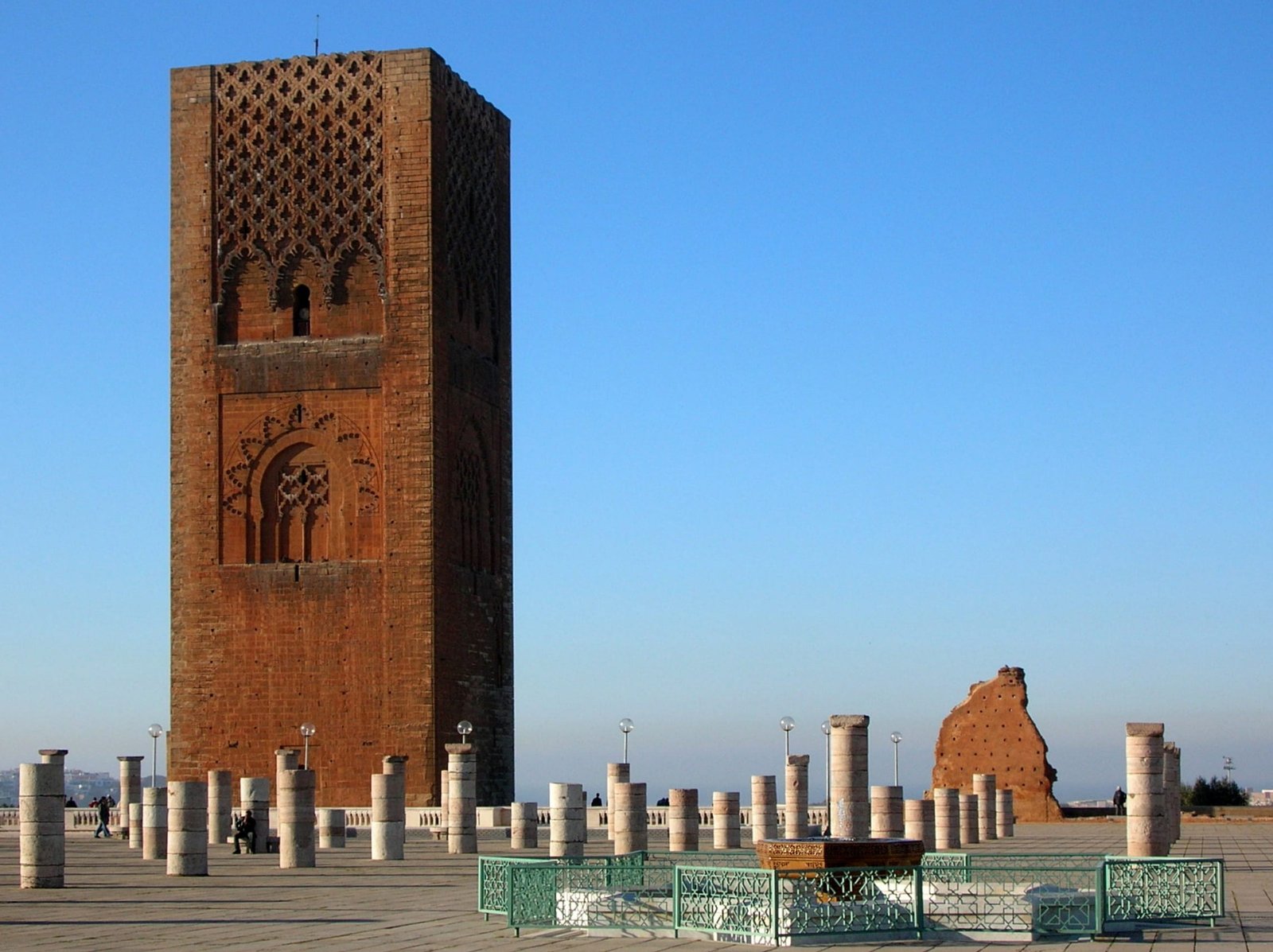
Walk along the quiet, blue-and-white stone alleyways of the Kasbah of the Udayas in Rabat, where fortified walls stand as a peaceful sentinel overlooking the Atlantic Ocean and the Bou Regreg river. As Morocco’s elegant capital city, Rabat presents a clean, green, and highly organized contrast to the hectic energy of other imperial centers. It is a destination characterized by wide, tree-lined boulevards, peaceful French colonial avenues, and ancient Roman ruins, where modern government buildings sit side-by-side with historic Almohad monuments.
This coastal enclave is perfect for business travelers, families, and cultural explorers who prefer a relaxed, orderly, and authentic Moroccan experience over chaotic tourist tracks. The atmosphere is quiet, professional, and maritime, filled with the fresh ocean breeze, call to prayer from the Hassan Tower, and the soft rustle of palms in public parks. While the city represents the country’s modern political center, travelers who explore its boundaries will discover beautiful Andalusian gardens, historic fortresses, and a quiet, pedestrian-friendly medina.
Quick Facts
| Region | Rabat-Salé-Kénitra |
| Best time to visit | September to November (pleasant autumn days) or March to May (mild spring temperatures for exploring) |
| Language | Moroccan Arabic (Darija), French, English |
| Currency | Moroccan Dirham (MAD) |
| Known for | Hassan Tower, Kasbah of the Udayas, Chellah Necropolis, royal palaces, clean streets |
| Day trips | Salé twin city (**2 km**), Kenitra lagoon (**40 km**), Casablanca metropolis (**90 km**) |
Top Things To Do in Rabat
Kasbah of the Udayas
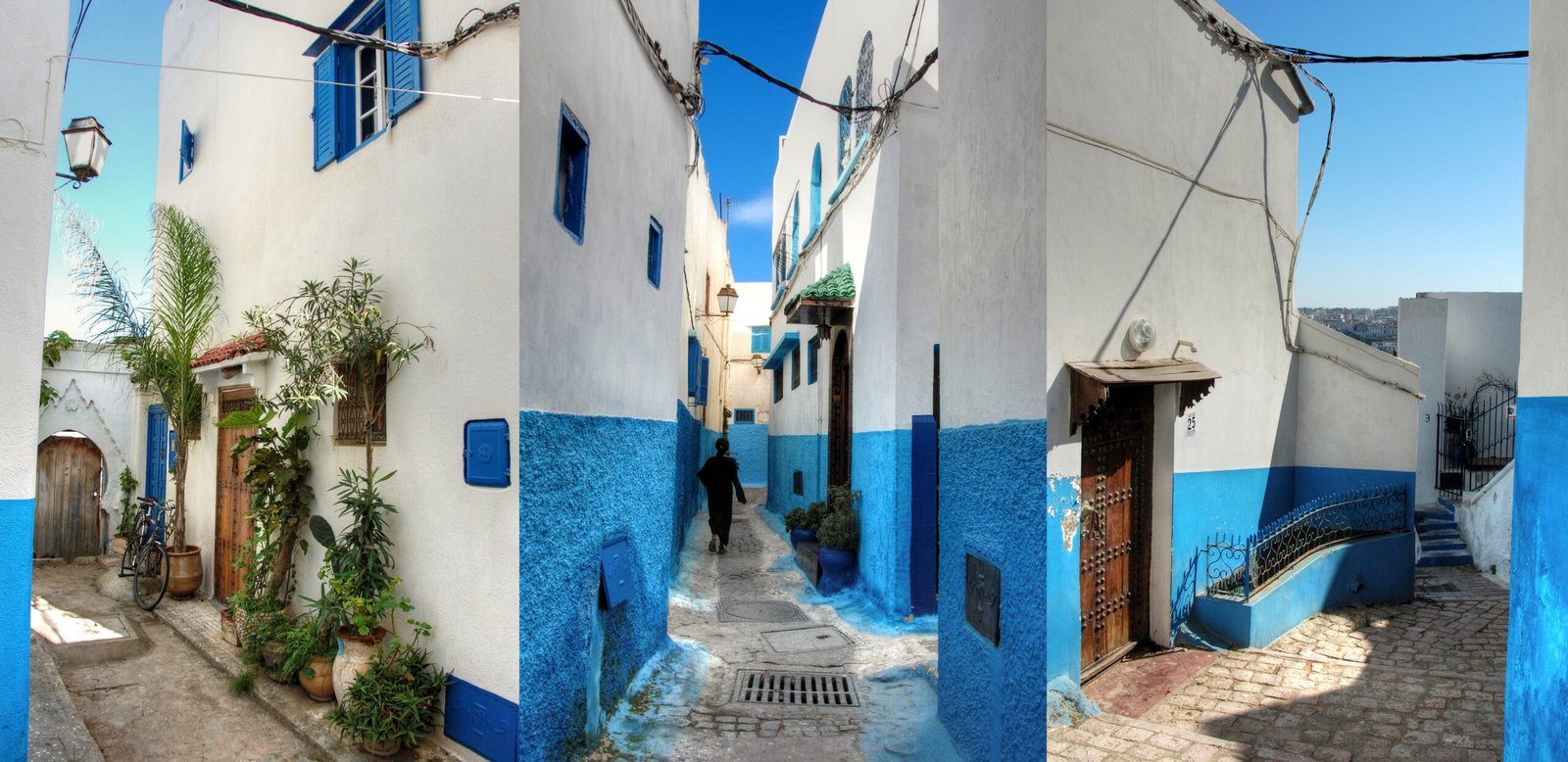
This historic 12th-century fortress sits on a rocky cliff overlooking the mouth of the Bou Regreg River, featuring whitewashed and blue-painted houses. The narrow, car-free streets lead to the Bab Oudaia stone gateway and a wide viewing platform offering views over the Atlantic ocean. The kasbah represents a quiet residential enclave with a distinct Andalusian character.
Insider tip: Stop at the historic Café Maure inside the kasbah to enjoy traditional almond sweets and mint tea while looking at the river.
Hassan Tower & Mausoleum of Mohammed V
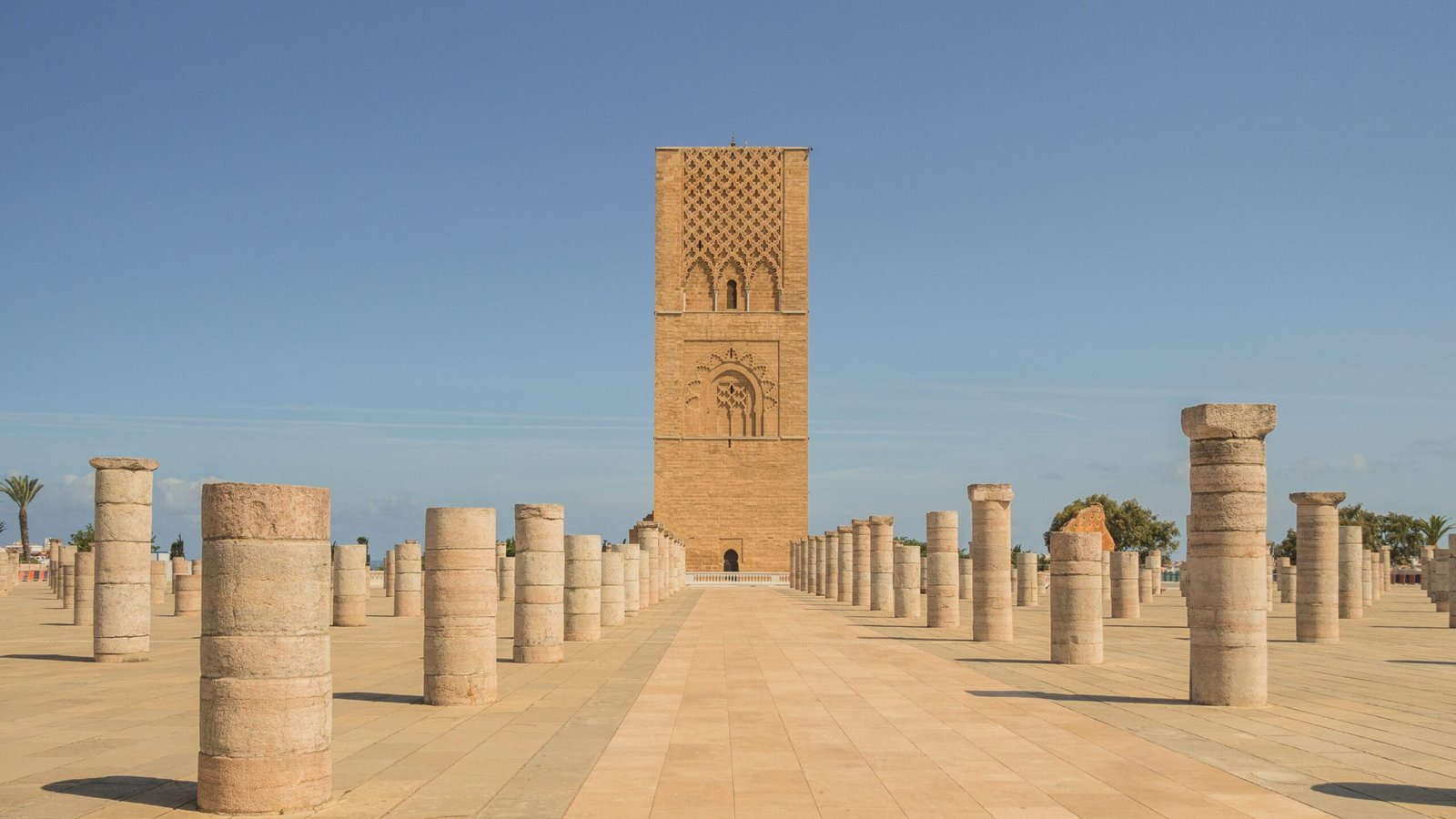
This iconic red sandstone minaret was built in the late 12th century as part of Sultan Abu Yaqub Yusuf’s grand plan for the largest mosque in the world, which remained unfinished. The tower stands **44 meters** high, surrounded by **200 stone pillars** and the beautiful white marble Mausoleum of Mohammed V. The mausoleum features spectacular modern zellige tilework, carved plaster, and golden leaf ceilings.
Insider tip: Visit during the changing of the royal guard at the main gates, who stand on horseback in traditional red uniforms.
Chellah Necropolis
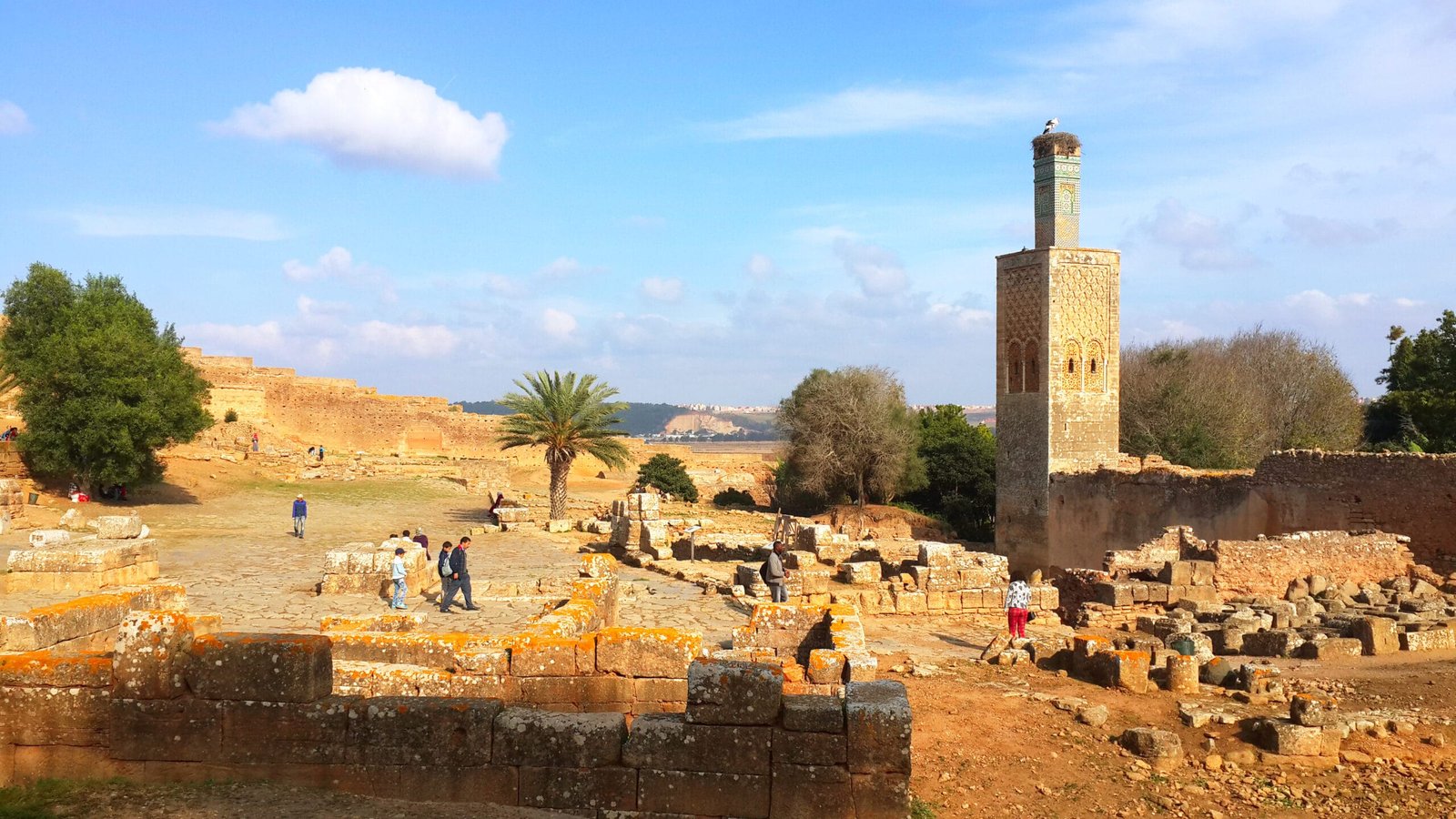
Located at the edge of the city, this historic site preserves both ancient Roman ruins (known as Sala Colonia) and a 14th-century Marinid Islamic necropolis. The site features a ruined minaret, a central mosque, royal tombs, and ancient Roman columns, all surrounded by wild gardens and towering stone walls. The ruins are famously inhabited by dozens of nesting storks that build massive nests on the ancient towers.
Insider tip: Visit in the early morning to hear the distinct bill-clattering sound of the storks echo through the silent ruins.
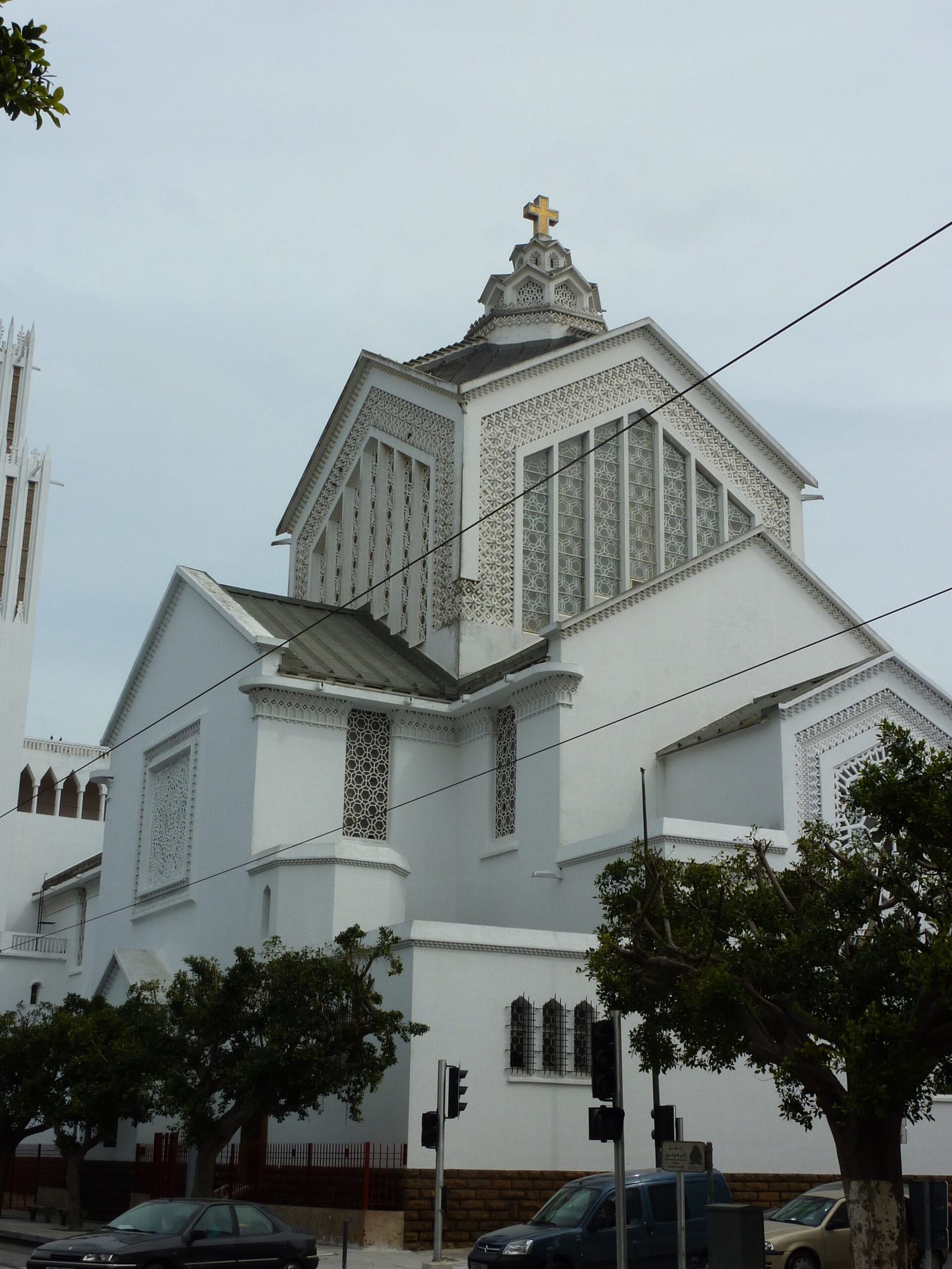
The Rabat Medina
Built in the 17th century by Andalusian refugees, this quiet medina features whitewashed houses with blue trim and orderly shopping streets. Unlike the medinas of Fes or Marrakech, the lanes are wider, flatter, and much easier to navigate, with minimal hassle from local merchants. The shops sell traditional pottery, leather slippers, and woven carpets at very reasonable prices.
Insider tip: Walk down Rue des Consuls, the historic street where foreign consuls lived, to see weavers crafting traditional Rabat rugs.
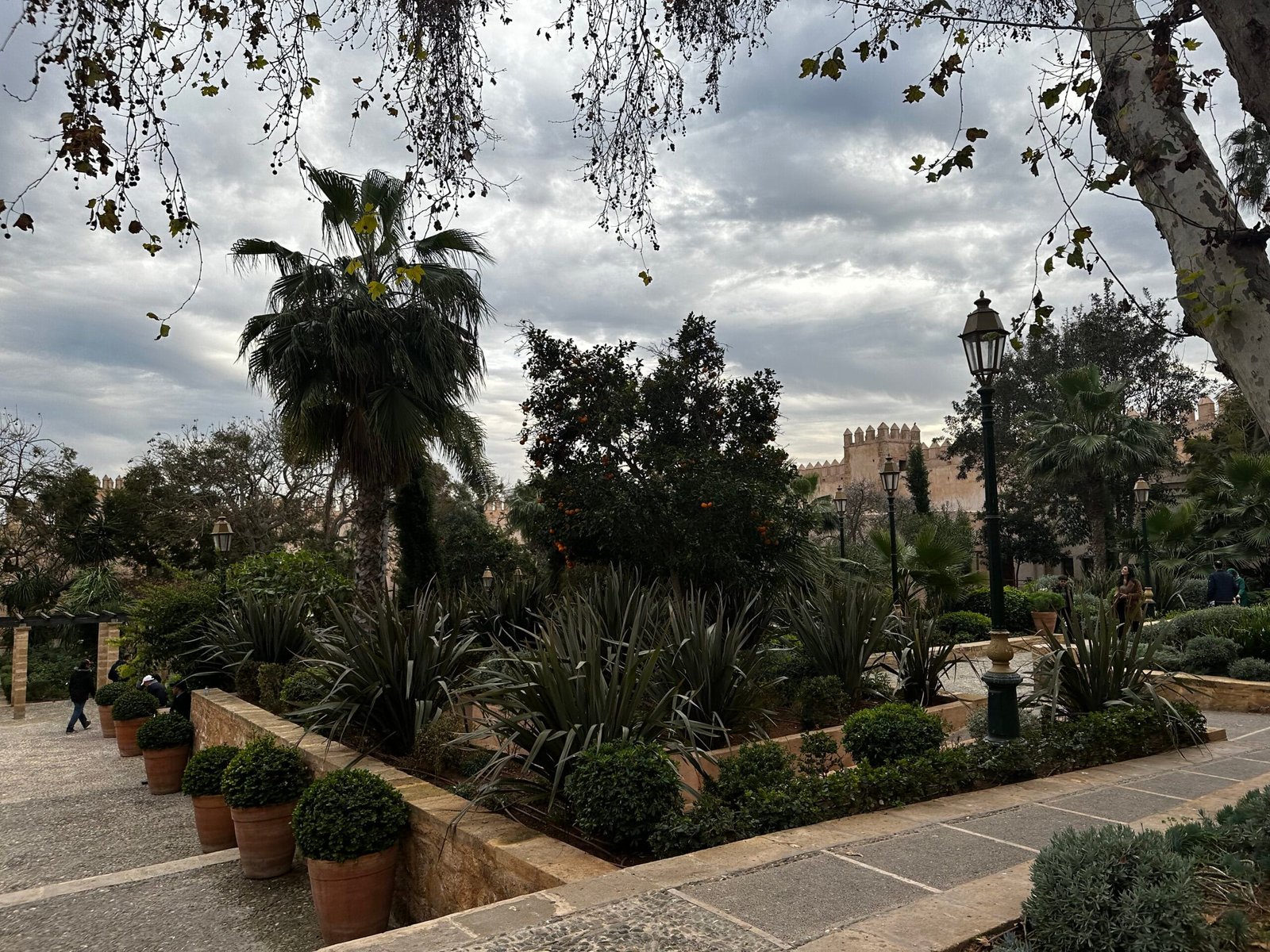
Andalusian Gardens
Built during the French colonial era at the base of the Kasbah of the Udayas, this walled garden is filled with palm trees, orange trees, rose bushes, and bougainvillea. The garden features shaded stone pathways, quiet pools, and marble benches where locals come to read and relax. The scent of jasmine and orange blossom fills the air.
Insider tip: The garden is a haven for local stray cats; bring some cat treats if you want to make friendly feline connections.
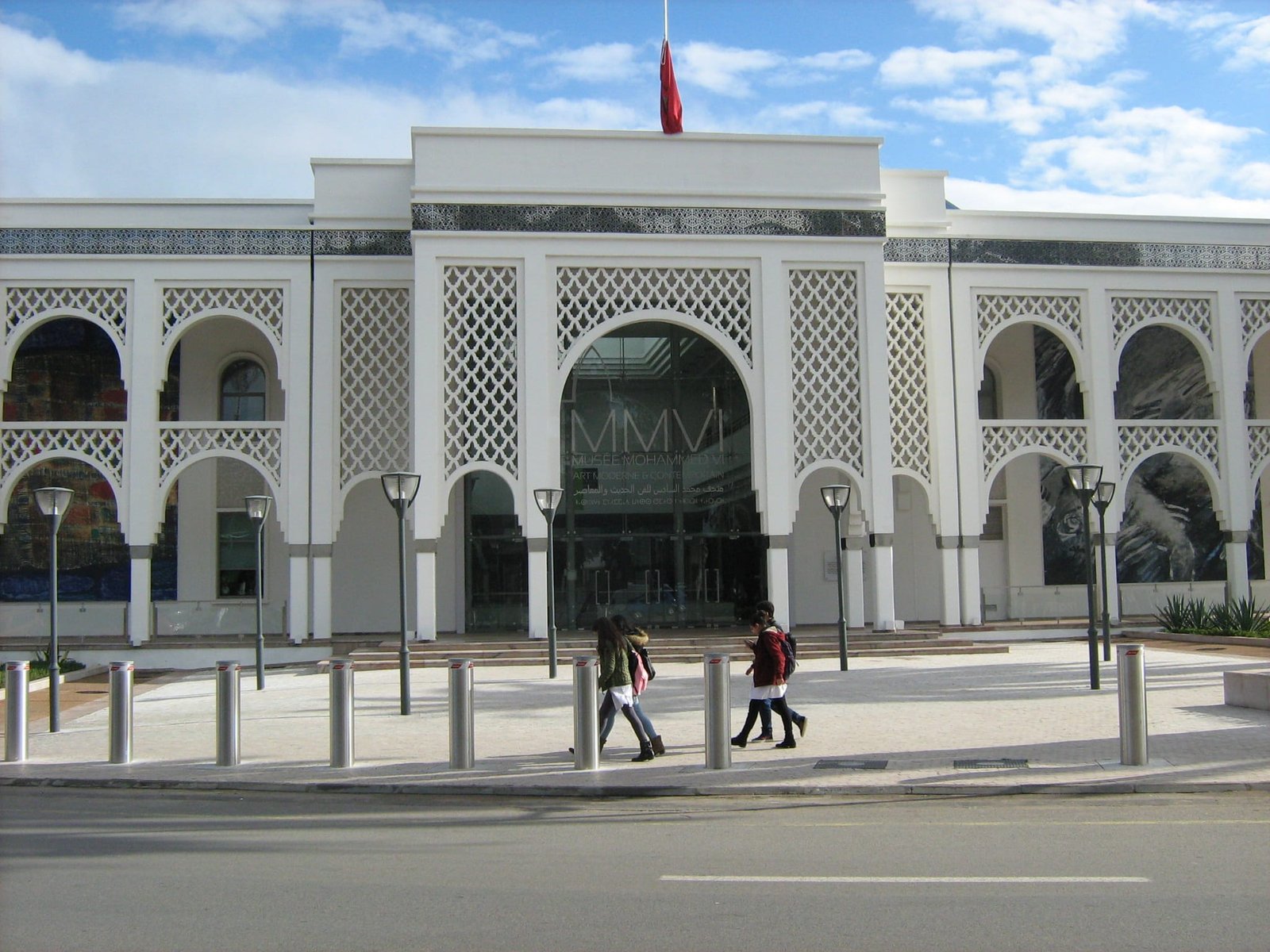
Mohammed VI Museum of Modern Art
Housed in a beautiful neo-Moorish building, this modern museum showcases the finest contemporary art from Moroccan and international artists. The galleries feature paintings, sculptures, and multimedia installations that reflect the country’s modern artistic movement. It is a major center of cultural life in the capital.
Insider tip: Visit on Mondays when entry is free for students, or stop at the museum cafe for an excellent Italian espresso.
Best Time To Visit
Rabat enjoys a mild, Mediterranean climate moderated by the Atlantic Ocean, preventing extreme heat and cold. Spring (March to May) is a beautiful season, with daytime temperatures averaging 20°C and the city gardens in full bloom, making it ideal for walking tours. Autumn (September to November) brings warm sea temperatures and pleasant, sunny days averaging 22°C to 24°C, with cool ocean breezes.
Summer (June to August) is warm but comfortable, with temperatures rarely rising above 28°C, unlike the intense heat of inland cities. However, this is the busiest season for domestic tourism, and beaches can get crowded. Winter (December to February) is cool and damp, with temperatures averaging 15°C and regular rainy days, though it is still pleasant for indoor museums. We recommend visiting in October to enjoy the perfect balance of warm weather, low crowd levels, and pleasant evenings.
How To Get There
By Plane
Rabat is served by **Rabat-Salé Airport (RBA)**, located **8 km** northeast of the city center. The airport receives international flights from major European cities. A licensed grand taxi from the airport to the city center costs a flat rate of **150 MAD** during the day and **200 MAD** at night. Alternatively, take the **Airport Shuttle Bus** to the train station for **25 MAD**, departing every hour.
By Train
Rabat has two modern train stations, with **Rabat Ville** being the central station in the heart of the city. The high-speed **Al Boraq** train connects Rabat to Tangier (**1.2 hours**, **140-225 MAD**) and Casablanca (**50 minutes**, **60-90 MAD**). Regular trains connect to Marrakech (**3.5 hours**, **140-180 MAD**) and Fes (**2 hours**, **80-120 MAD**).
By Bus
The main bus terminal, **Gare Routière Kamra**, is located **5 km** southwest of the center, while the premium **CTM** bus company operates from its own terminal near the train station. Buses run daily to Marrakech (**4 hours**, **120 MAD**), Tangier (**3 hours**, **90 MAD**), and Casablanca (**1.5 hours**, **40 MAD**).
By Car
If you drive, Rabat is connected to Casablanca and Tangier by the modern **A1 toll highway (Auto-route)**. The drive from Casablanca covers **90 km** of excellent highway, taking approximately **1 hour**. Driving from Tangier covers **250 km** and takes **2.5 hours** of driving. Tolls from Casablanca cost **25 MAD**.
Where To Stay
Budget (under 300 MAD/night)
For budget accommodations, explore the neighborhood of **Batha** or look for rental apartments inside the **old Rabat medina**. The medina is clean, safe, and very quiet compared to other cities. Look for simple family-run guesthouses (Dars) that include breakfast.
- Dar El Medina: A charming budget-friendly dar inside the medina, featuring clean rooms, a central courtyard, and local hospitality starting around **260 MAD** per night.
- Rabat Hostel: A modern surf hostel located near the beach, offering clean dorms and private rooms starting at **180 MAD** per night.
Mid-range (300-800 MAD/night)
The best area for mid-range stays is the **Quartier Hassan** or the **Ville Nouvelle** district. These areas are close to major monuments and the train station, offering private bathrooms, air conditioning, and Wi-Fi.
- Riad Hassan: Positioned near the Hassan Tower, this riad features comfortable rooms, traditional decor, and an outdoor terrace starting at **550 MAD** per night.
- Hotel Belere Rabat: Located near the train station, offering modern rooms, excellent Wi-Fi, and a rooftop bar starting around **680 MAD** per night.
Luxury (800+ MAD/night)
For luxury, choose the prestigious **Souissi** residential district or premium boutique hotels inside the **Kasbah of the Udayas**. Staying here guarantees spacious suites, heated swimming pools, world-class spas offering hammam treatments, and fine dining.
- Villa Mandarine: A beautiful luxury hotel set in a former orange grove in Souissi, featuring a pool, a high-end spa, and gourmet dining starting at **1,900 MAD** per night.
- Riad Dar El Kebira: A luxury riad in the historic heart, featuring elegant suites, customized service, and premium hammam facilities starting at **1,400 MAD** per night.
Where To Eat & Local Food
Rabat’s culinary scene is a mix of traditional imperial recipes and modern French-Mediterranean dining. Do not miss:
- Couscous de Rabat: A unique local couscous topped with caramelized onions, raisins, and sweet chickpeas, alongside tender beef.
- Tajine de Coq aux Prunes: A rich, slow-cooked tagine featuring free-range chicken, sweet prunes, toasted almonds, and saffron.
- Pastilla: A magnificent flaky pastry pie stuffed with shredded chicken or fish, baked to a golden crisp.
- Ghoriba: Traditional Moroccan coconut and almond cookies, perfect with afternoon mint tea.
For dining, avoid the tourist-heavy restaurants directly on the main beach promenade, which charge high prices for average food. Instead, head to the local fish stalls near the **fishing port** for a cheap grilled seafood lunch, or explore the local grills in the **Ville Nouvelle** for fresh skewers and tajines. Always buy fresh almond pastries from local bakeries in the medina, and try the local grilled octopus.
Practical Tips
- Safety: Rabat is exceptionally safe for tourists, with one of the lowest crime rates in Morocco. Be aware of pickpocketing in crowded markets, and ignore unofficial guides who offer “free” tours of the kasbahs.
- Dress Code: Rabat is a modern capital but remains culturally conservative. Dress respectfully by covering your shoulders and knees when exploring the town, kasbahs, and local villages; avoid tight or revealing clothing.
- Best Neighborhoods: Stroll the historic **Hassan** for architecture, explore the **Ville Nouvelle** for cafes, and walk the **Souissi** neighborhood for local life.
- Getting Around: The town center is compact and flat, making it easy to walk. To travel between districts, use the modern **Rabat-Salé Tramway** which costs **6 MAD** per ride. For taxis, use the blue **Petit Taxis** which run on meters.
- Tipping: Tipping is common. Leave **5% to 10%** at casual cafes and restaurants, and round up the bill for taxi drivers.
- Useful Phrases: Use **”Shokran”** (Thank you), **”Bshal?”** (How much?), and **”Sbah lkhayr”** (Good morning) to communicate.
- What to Avoid: Avoid taking photos of government buildings, police officers, or military checkpoints, as this is strictly prohibited. Avoid entering active mosques unless you are Muslim, as they are closed to non-Muslims.
Planning Your First Trip with Klook?
Use the link below to sign up and book your activities with Klook to claim exclusive discounts and promo offers on your tours.
Claim Discount & Book NowFrequently Asked Questions
Q: Is rabat safe for tourists?
A: Yes, Rabat is exceptionally safe for tourists, with a very low crime rate and a quiet, clean atmosphere. Solo travelers and families can comfortably walk the town center at night without safety concerns.
Q: How many days do I need in rabat?
A: You need two days to explore the main sights, including the Kasbah of the Udayas, Hassan Tower, Chellah, and the medina. If you plan to take day trips to Salé or Casablanca, extend your stay to three days.
Q: What is rabat known for?
A: Rabat is famous for being the capital of Morocco and housing major Almohad monuments like the Hassan Tower. It is also well-known for the historic Kasbah of the Udayas and its clean, green streets.
Q: What is the best time to visit rabat?
A: The best time to visit Rabat is from September to November or March to May when temperatures are mild and comfortable. Summer is warm but comfortable, while winter can bring rainy days.
Q: How do I get from Marrakech to rabat?
A: You can take the train, which takes about three and a half hours. Alternatively, you can drive via the A3 and A1 toll highways, covering the distance in approximately three hours.
Q: Is rabat worth visiting?
A: Yes, Rabat is highly worth visiting, offering a relaxed imperial history that contrasts with the busier cities. It offers a peaceful, historic look at Moroccan culture and serves as a great introduction to the country.