
Taroudant Travel Guide
Morocco’s Historic Saadian Walled City
Introduction
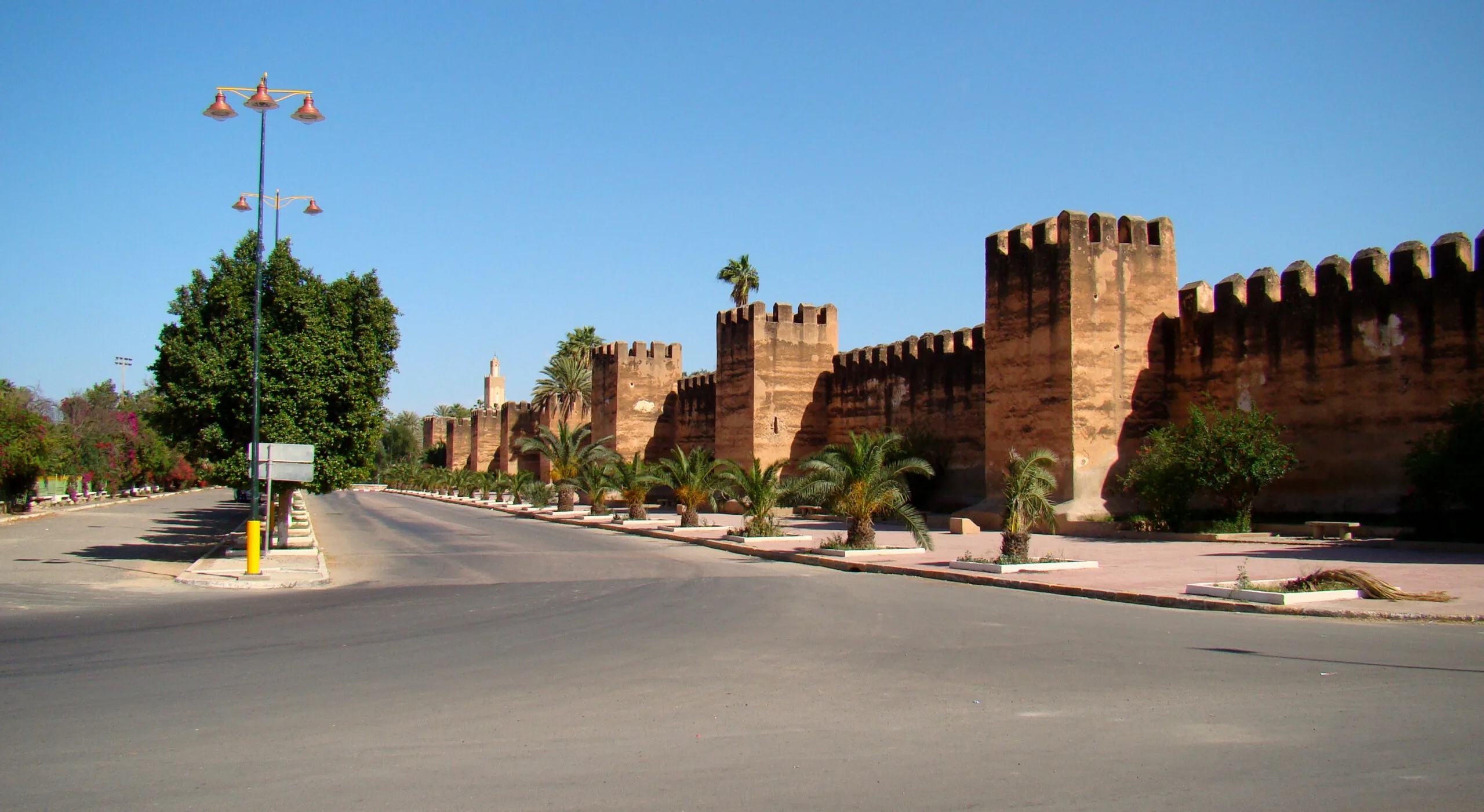
Step behind the massive, towering red-clay battlements of Taroudant, where horse-drawn carriages clatter past historic gates under the shadow of the snow-capped High Atlas Mountains. Located in the fertile Souss Valley just **80 kilometers** east of Agadir, this ancient fortified town is often affectionately called the “Little Marrakech” because of its spectacular red mud-brick ramparts. It is a destination characterized by a peaceful, authentic atmosphere, where busy Berber souks, quiet orange groves, and traditional courtyard gardens offer a relaxed look at southern Moroccan life.
This historic enclave is perfect for cultural explorers, budget travelers, and families who want to experience a traditional walled city without the hectic tourist pressure and high prices of larger imperial capitals. The atmosphere feels local, historic, and exceptionally welcoming, dominated by the daily rhythms of Berber merchants and the clip-clop of traditional horse carriages (caleches) that serve as primary transport. While the town remains relatively undeveloped, it offers beautifully preserved stone walls, excellent leather markets, and a scenic base for exploring the surrounding Atlas Mountains and palm oases.
Quick Facts
| Region | Souss-Massa |
| Best time to visit | October to April (mild winter temperatures, sunny days) |
| Language | Moroccan Arabic (Darija), Tashelhit (Shilha Berber), French |
| Currency | Moroccan Dirham (MAD) |
| Known for | Red clay ramparts, horse-drawn carriages, Berber souks, leather craft |
| Day trips | Tiout palm oasis (**30 km**), Agadir beach resort (**80 km**), Tafraoute valley (**150 km**) |
Top Things To Do in Taroudant
The Ramparts of Taroudant
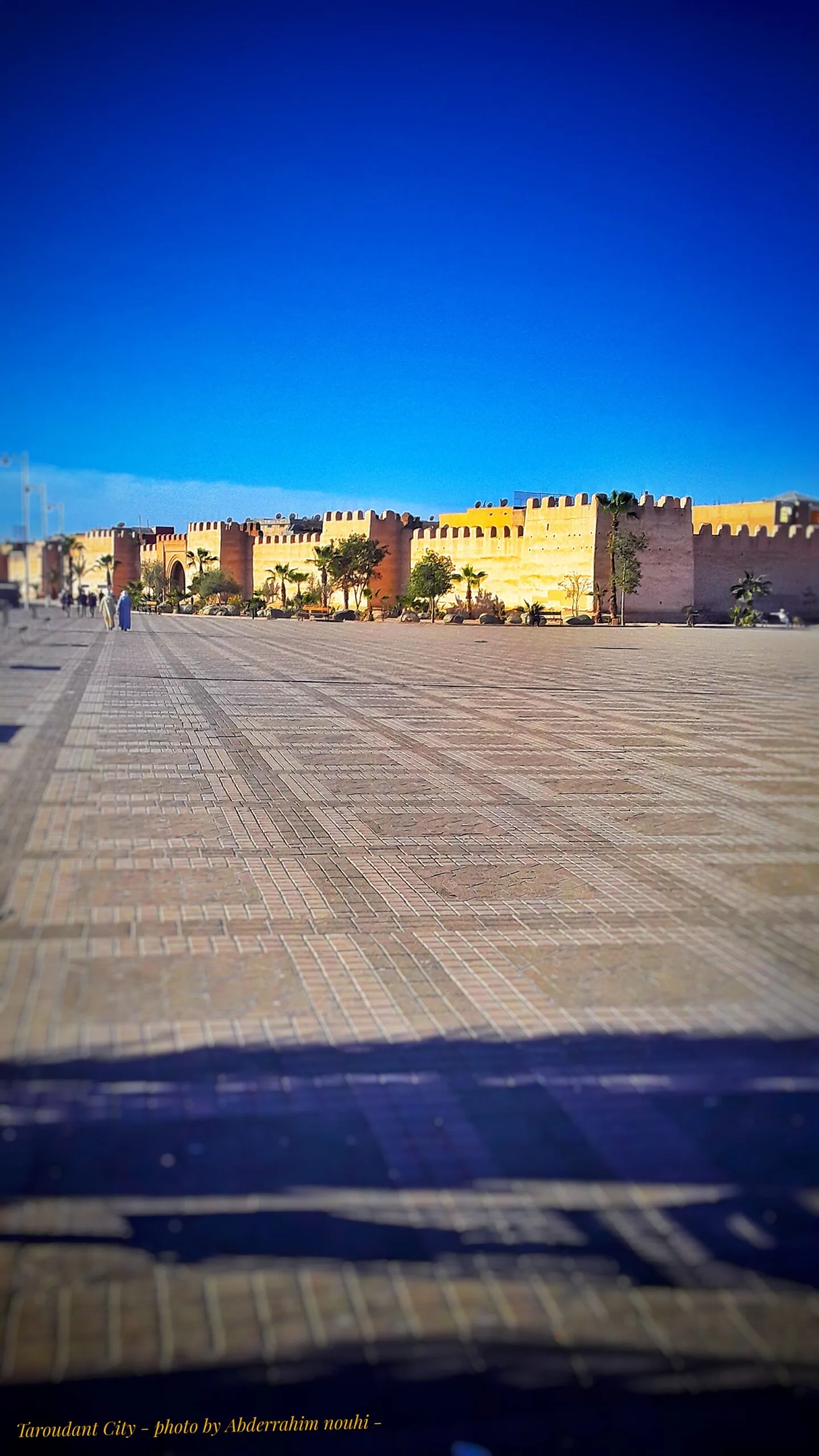
These spectacular **7.5-kilometer** defensive stone and clay walls completely enclose the old city, featuring **five historic gates** and **130 watchtowers**. Built in the 16th century by the Saadian dynasty, the ramparts are exceptionally well-preserved and change color dramatically from pale ochre to deep red with the setting sun. The best way to explore the full loop is by riding in a traditional horse-drawn carriage.
Insider tip: Rent a horse carriage at Place Assarag for about **50-70 MAD** for a complete sunset tour of the walls.
The Berber Souk (Souk el-Berbère)
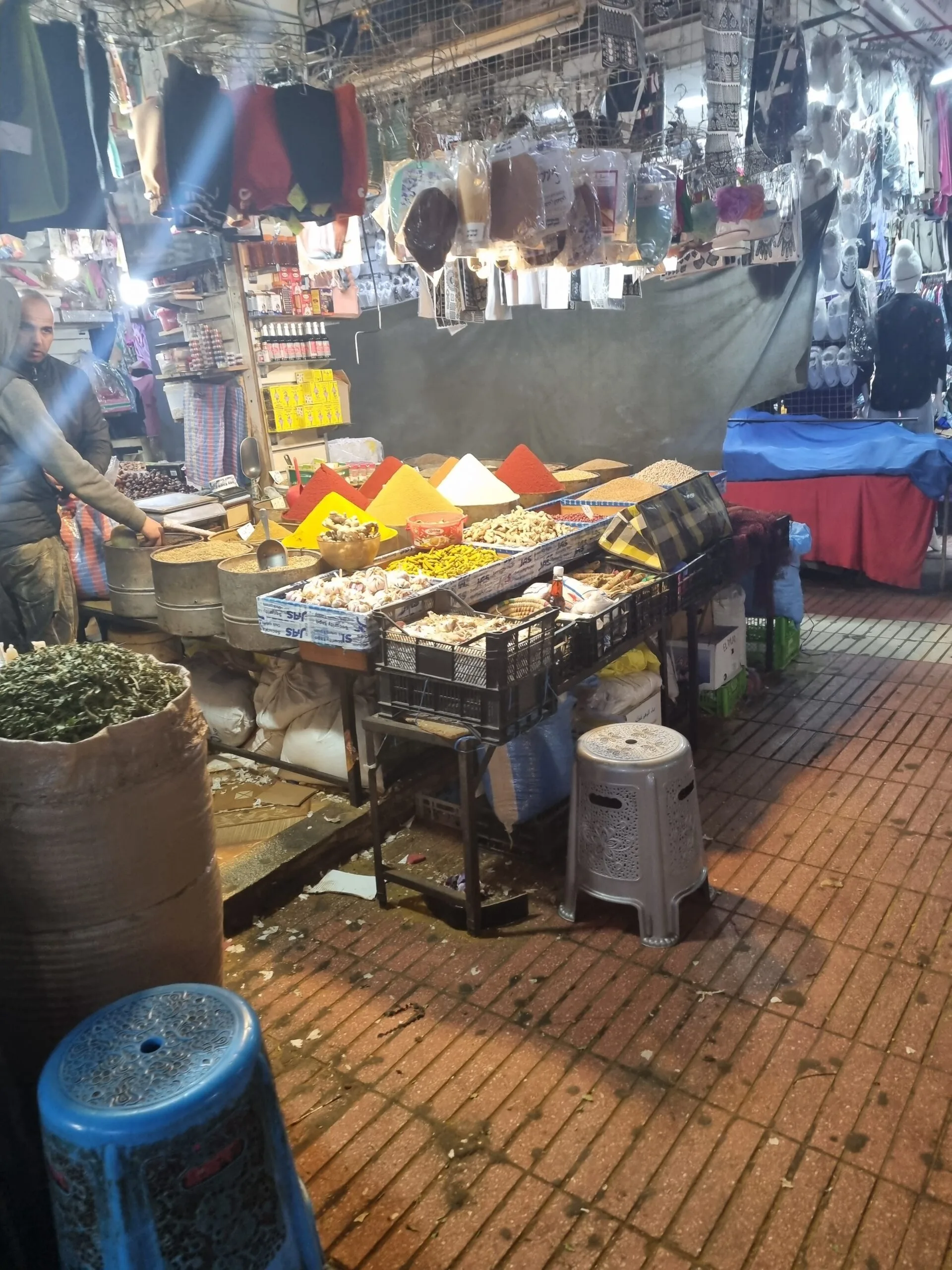
This busy market is the commercial heart of Taroudant, where local Berber villagers from the surrounding Souss Valley come to trade fresh produce, spices, and household goods. Unlike the tourist-oriented souks of Marrakech, this market is designed entirely for locals, offering an authentic look at daily life. The stalls are packed with high-quality argan oil, dried fruits, and fresh herbs.
Insider tip: Look for the stalls selling pure culinary argan oil; check the label or taste it to ensure it has a rich, toasted nutty flavor.
The Arab Souk (Souk des Artisans)
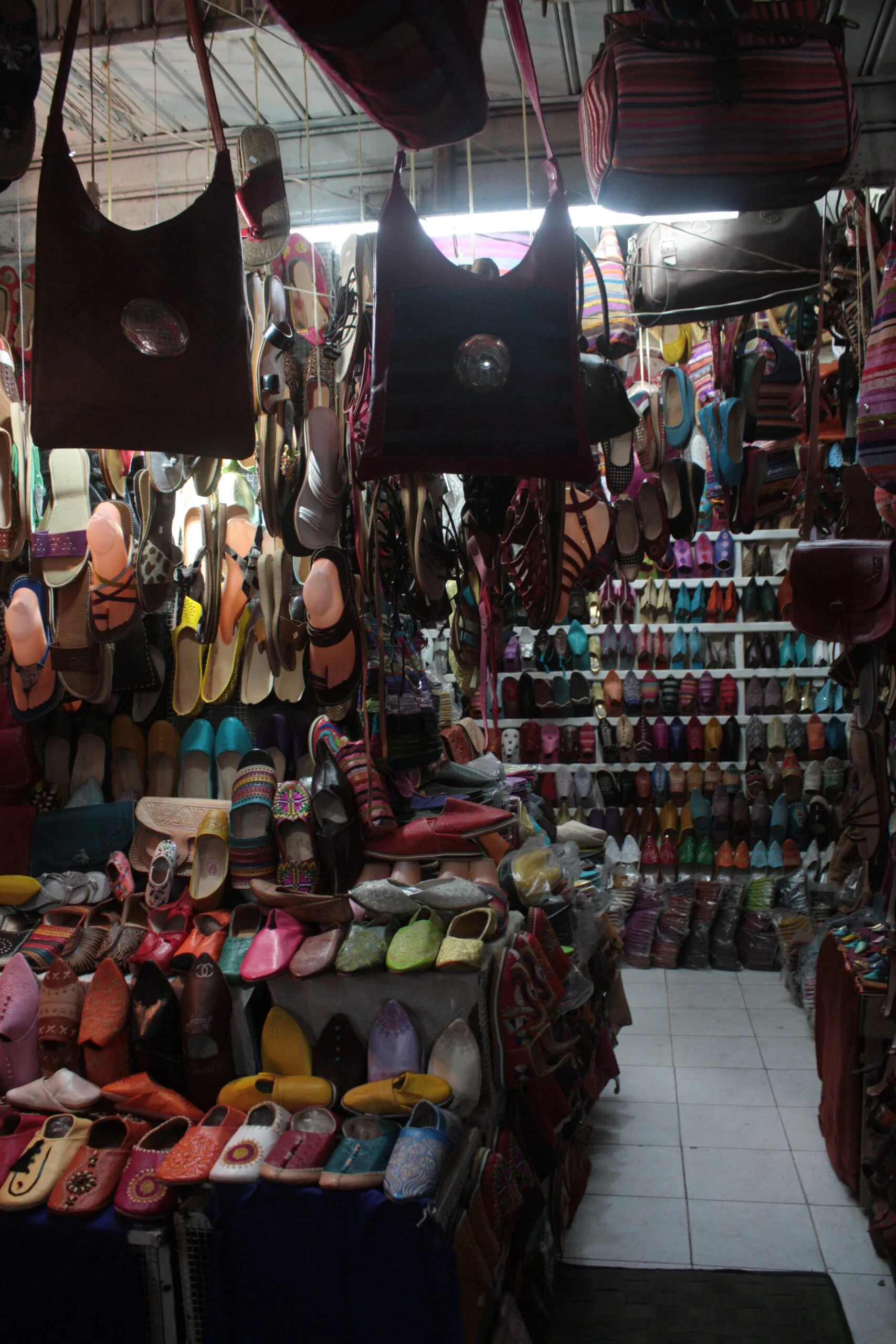
Located just next to the Berber market, this covered souk is famous for its high-quality artisan crafts, including silver jewelry, woven carpets, and clay pottery. Taroudant is particularly famous for its skilled leatherworkers, who handcraft bags, belts, and traditional yellow leather slippers (babouches) in open workshops. Bargaining is expected but conducted in a much more relaxed, friendly manner than in northern cities.
Insider tip: Visit the jewelry workshops at the back of the souk to find authentic Berber silver bracelets stamped with local hallmarks.
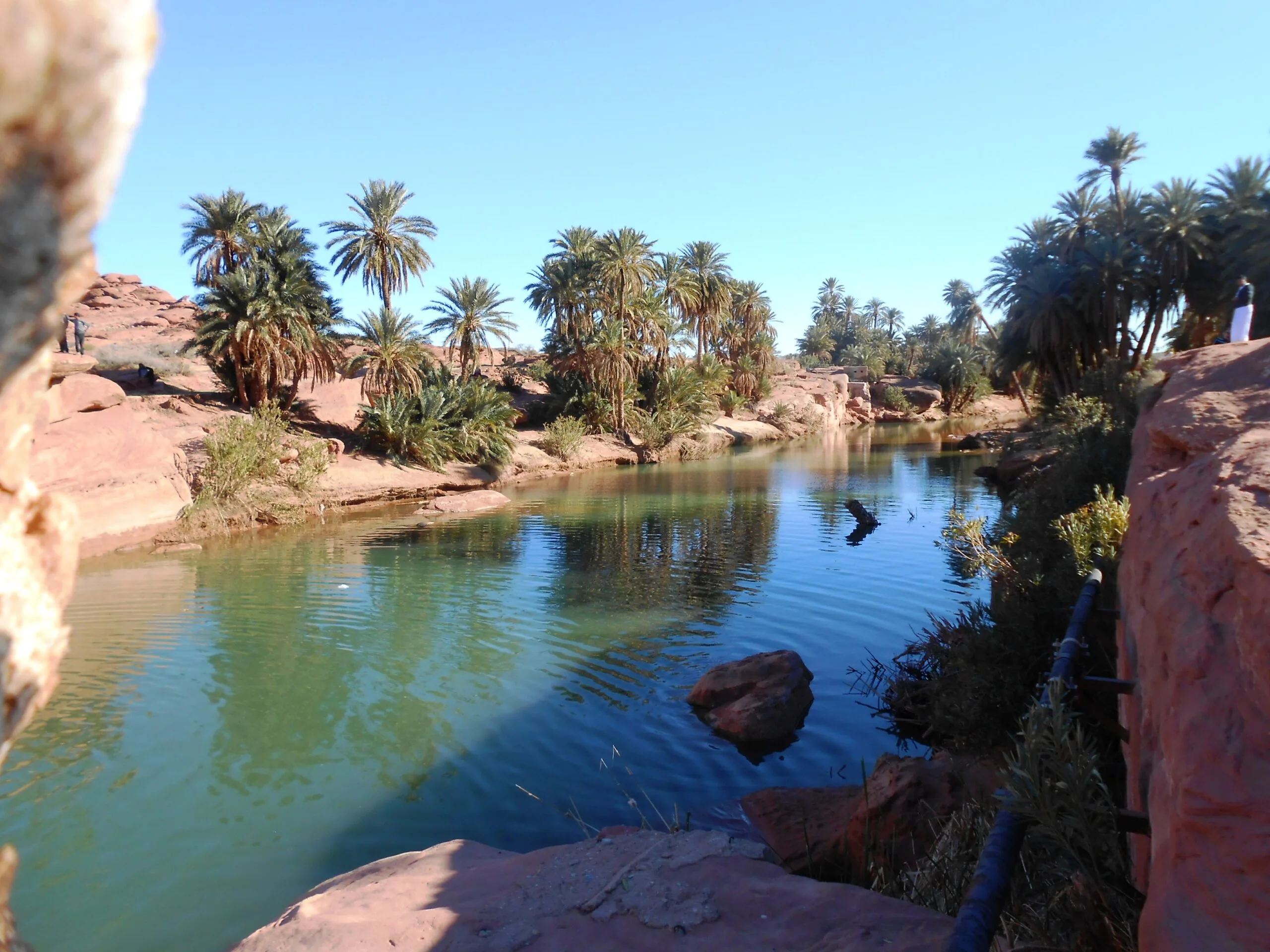
Tiout Palm Oasis (Day Trip)
Located **30 km** east of Taroudant, this lush green oasis features over **20,000 palm trees** irrigated by natural mountain springs. The oasis is overlooked by a historic 16th-century kasbah perched on a hill, which now functions as a scenic restaurant. Visitors can explore the shaded paths of the palm grove on foot or hire a local donkey guide.
Insider tip: Hire a local guide and donkey for around **50 MAD** to take you through the historic irrigation channels inside the grove.
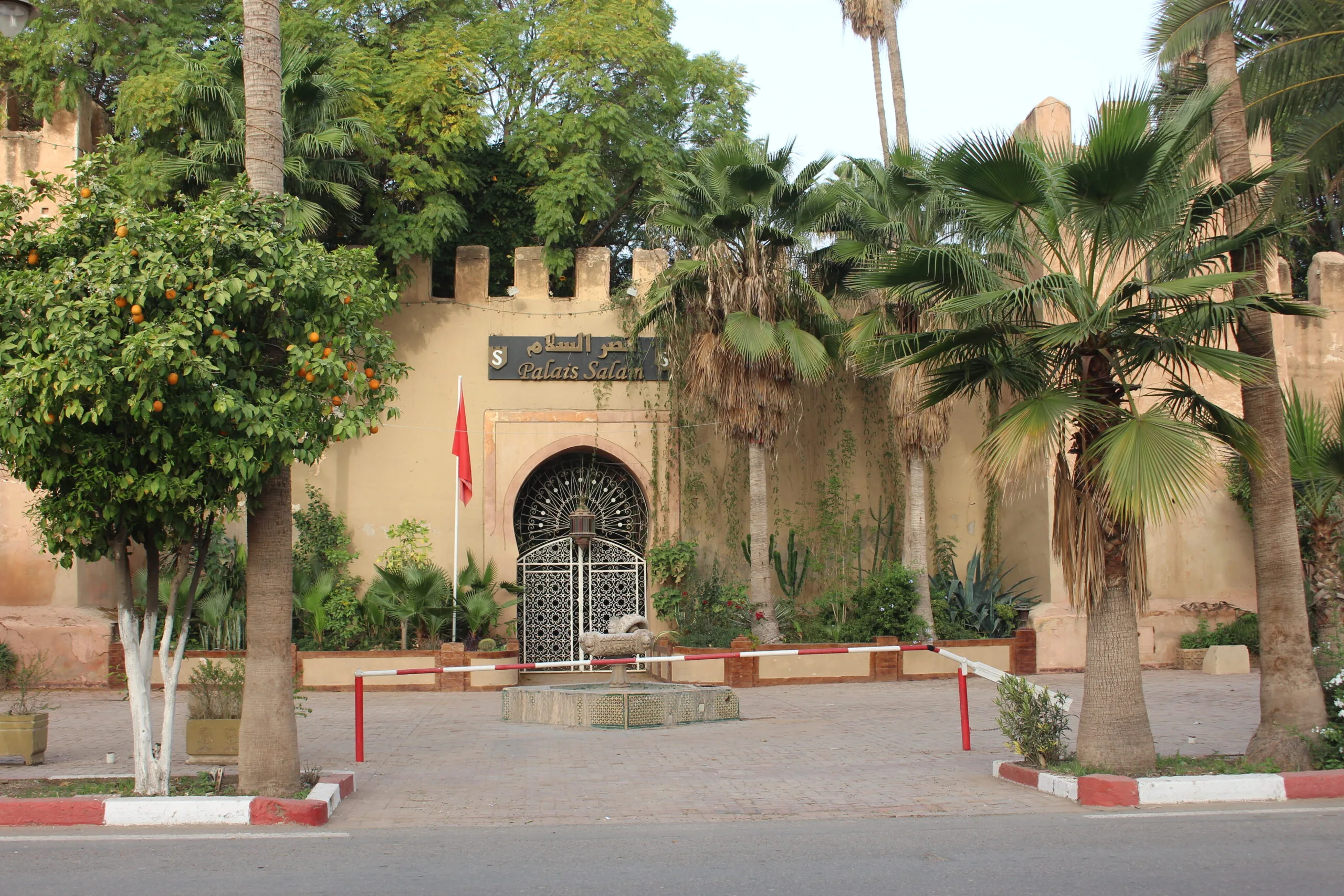
Claudio Bravo Camus Palace & Museum
Located just outside the city walls, this beautiful palace was the private residence of the famous Chilean hyperrealist painter Claudio Bravo Camus, who lived here until his death in 2011. The estate features stunning gardens, traditional Moorish architecture, and museum rooms displaying the artist’s private art collections and paintings. It offers a spectacular, peaceful cultural sanctuary in the valley.
Insider tip: You must book your visit online in advance through their official website, and the entry fee includes a guided tour of the galleries.
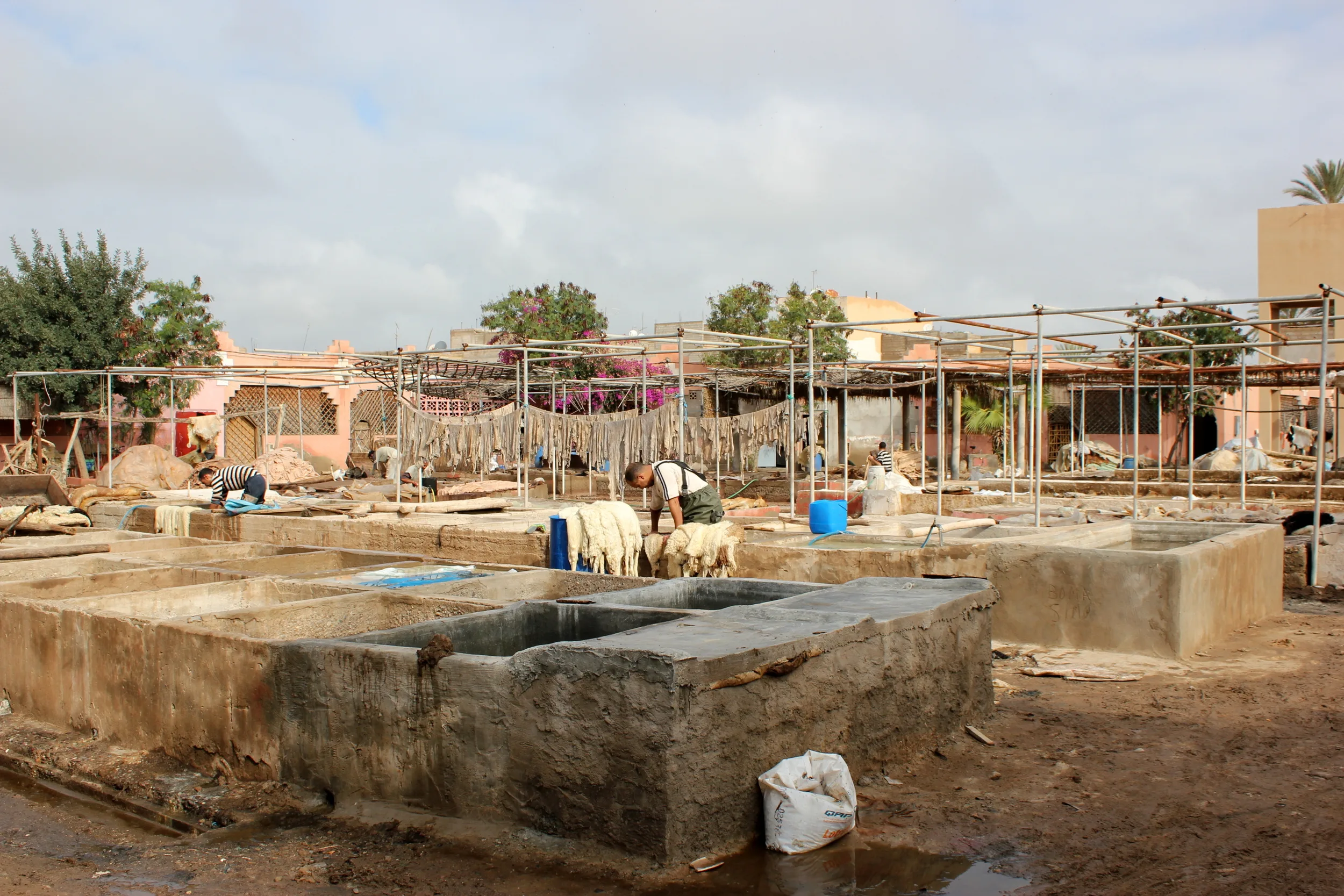
Tannery of Taroudant (Les Tanneries)
Located just outside the Bab Tagount gate, this small traditional tannery operates using historic organic methods to cure and dye sheep and goat skins. The leatherworkers use natural ingredients like pigeon droppings and lime to soften the hides, followed by vegetable dyes like saffron and indigo. The site offers an interesting, uncrowded alternative to the tanneries of Fes.
Insider tip: Visit in the morning when the tanners are actively working in the stone vessels, and accept a sprig of fresh mint to mask the strong smell.
Best Time To Visit
Taroudant experiences a hot, semi-arid continental climate with very warm summers and mild, sunny winters. Winter (October to April) is the absolute best time to visit. Daytime temperatures average a comfortable 22°C to 25°C, with clear, blue skies and cool mountain breezes, perfect for sightseeing and hiking. Spring (March to April) is another beautiful window, with the orange groves in full bloom and surrounding oases covered in green, though desert windstorms can occasionally happen.
Summer (May to September) is extremely hot, with daytime temperatures regularly soaring past 40°C (often reaching 45°C). Walking the unshaded clay walls during mid-day is not recommended, and many local guesthouses close their outdoor areas, though hotels with pools offer heavy discounts. We recommend visiting in November to enjoy mild daytime temperatures, pleasant sunny days, and comfortable conditions for exploring the souks and ramparts.
How To Get There
By Plane
Taroudant has **no commercial airport**. The closest aviation hub is **Agadir-Al Massira Airport (AGA)**, located **80 km** west of the town. A licensed grand taxi from Agadir airport to Taroudant costs a flat rate of **400 MAD** and takes **1 hour**. Alternatively, take a local taxi to Ait Melloul, then catch a shared grand taxi or local bus.
By Train
There are **no rail lines** leading to the southern Souss region. The nearest train station is located in Marrakech. From Marrakech train station, you must buy a combined Supratours bus ticket or hire a grand taxi to complete the journey.
By Bus
Buses run daily to the central bus station. The premium operators **CTM** and **Supratours** run daily departures. A Supratours bus from Marrakech takes **4 hours** and costs **100 MAD to 120 MAD**, traveling via the highway. Buses from Agadir take **1.5 hours** and cost **30 MAD to 40 MAD**.
By Car
If you drive, Taroudant is reached via the **N10 national road** from Agadir or the **A3 highway link** from Marrakech. The drive from Agadir covers **80 km** of flat, four-lane highway, taking approximately **1 hour**. Driving from Marrakech via the scenic **Tizi n’Test pass** (**2,100 meters** high) takes **5 hours** over a distance of **220 km**, though the modern A3 highway via Agadir is faster and takes **3.5 hours**.
Where To Stay
Budget (under 300 MAD/night)
For budget accommodations, explore the neighborhood of **Lalla Aicha** or look for rental apartments inside the **old medina walls**. The medina is very quiet, safe, and easy to navigate. Look for simple, family-run guesthouses (Dars) that include traditional breakfast.
- Dar Tourkia: A charming, budget-friendly guest house inside the medina walls, featuring clean rooms, traditional clay design, and a nice rooftop terrace starting around **260 MAD** per night.
- Riad Maryam: A cozy budget guest house offering traditional courtyard rooms, zellige tilework, and a helpful local staff starting at **220 MAD** per night.
Mid-range (300-800 MAD/night)
The best area for mid-range stays is the **central medina** or the **residential quarter** near Bab Tagount. Here, you will find beautifully restored Riads featuring private bathrooms, air conditioning, swimming pools, and cooked breakfasts.
- Riad Taroudant: Located near the main square, featuring comfortable rooms, an outdoor swimming pool, and an excellent on-site restaurant starting at **550 MAD** per night.
- Dar Zita: Positioned in a quiet medina lane, offering spacious rooms, a traditional fireplace lounge, and an outdoor garden starting around **650 MAD** per night.
Luxury (800+ MAD/night)
For luxury, seek out grand palace hotels located **outside the city walls** or heritage Riads inside the **historic center**. Staying here guarantees spacious suites, heated swimming pools, world-class spas offering hammam treatments, and fine dining.
- La Gazelle d’Or: An iconic luxury estate set in beautiful gardens, featuring private stone villas, heated pools, and a premium horse stable starting at **2,200 MAD** per night.
- Riad Dar al Hossoun: A stunning eco-luxury lodge located just outside the walls, featuring heritage architecture, heated pools, and absolute peace starting at **1,400 MAD** per night.
Where To Eat & Local Food
Taroudant’s cuisine is heavily focused on Souss Valley agricultural products, argan oil, and fresh saffron. Do not miss:
- Tajine Souss: A delicious slow-cooked tagine featuring tender beef or lamb, seasonal vegetables, olives, and a generous drizzle of culinary argan oil.
- Harsha with Honey: Thick cornmeal pancakes cooked on clay griddles, served hot with wild thyme honey and argan oil.
- Poisson de Souss: Fresh Atlantic fish brought daily from the Agadir port, grilled simple with garlic and cumin.
- Sfenj with Mint Tea: Crispy Moroccan donuts fried fresh at medina stalls, perfect for an afternoon snack.
For dining, avoid the tourist-heavy restaurants directly on the main beach promenade, which charge high prices for average food. Instead, head to the local food stalls in Place Assarag for a cheap grilled meat or tagine lunch, or explore the simple restaurants near the medina gates for fresh skewers and couscous. Always buy fresh olives and olive oil from local medina stalls, and try the local cactus fruit.
Practical Tips
- Safety: Taroudant is exceptionally safe for tourists, with a very low crime rate. Solo travelers and families can comfortably walk the medina at night. Ignore aggressive street sellers, but a polite “no, thank you” (La, Shokran) is always respected.
- Dress Code: The Souss region is traditional and conservative. Dress respectfully by covering your shoulders and knees when exploring the medina, local markets, or oases.
- Best Neighborhoods: Stroll the historic **Medina** for markets, explore the **Lalla Aicha** for quiet alleys, and walk the **Rampart Zone** for sunset walks.
- Getting Around: The medina is compact and flat, making it perfect for walking. To travel to the new town or airport, use the red **Petit Taxis** which run on fixed fares around **7 MAD to 10 MAD**.
- Tipping: Tipping is common. Leave **5% to 10%** at casual cafes and restaurants, and round up the fare for taxi drivers.
- Useful Phrases: Use **”Shokran”** (Thank you), **”Bshal hada?”** (How much is this?), and **”Sbah lkhayr”** (Good morning) to communicate.
- What to Avoid: Avoid walking along the unshaded ramparts during mid-day in summer due to the intense heat. Avoid purchasing argan oil from street vendors; buy from certified local cooperatives.
Planning Your First Trip with Klook?
Use the link below to sign up and book your activities with Klook to claim exclusive discounts and promo offers on your tours.
Claim Discount & Book NowFrequently Asked Questions
Q: Is taroudant safe for tourists?
A: Yes, Taroudant is exceptionally safe for tourists, with a very low crime rate and a quiet, welcoming atmosphere. Solo travelers and families can comfortably walk the medina lanes and public squares at night.
Q: How many days do I need in taroudant?
A: You need two days to explore the main sights, including the red clay ramparts, the Berber and Arab souks, Place Assarag, and the traditional tanneries. If you plan to take a day trip to the Tiout palm oasis, extend your stay to three days.
Q: What is taroudant known for?
A: Taroudant is famous for its massive 16th-century Saadian red clay ramparts that completely encircle the town, earning it the nickname “Little Marrakech.” It is also well-known for its horse-drawn carriages, high-quality leather goods, and authentic Berber souks.
Q: What is the best time to visit taroudant?
A: The best time to visit Taroudant is from October to April when the weather brings mild winter temperatures and sunny days. Summer is extremely hot, with temperatures regularly exceeding 40°C.
Q: How do I get from Marrakech to taroudant?
A: You can take a direct CTM or Supratours bus from Marrakech, which takes four hours and costs 100 MAD to 120 MAD. Alternatively, you can drive via the scenic N10 highway or the A3 toll highway via Agadir.
Q: Is taroudant worth visiting?
A: Yes, Taroudant is highly worth visiting to experience an authentic, traditional walled Moroccan city without the tourist crowds and high prices of Marrakech. It offers beautiful clay architecture, friendly markets, and a relaxed look at Berber culture.