
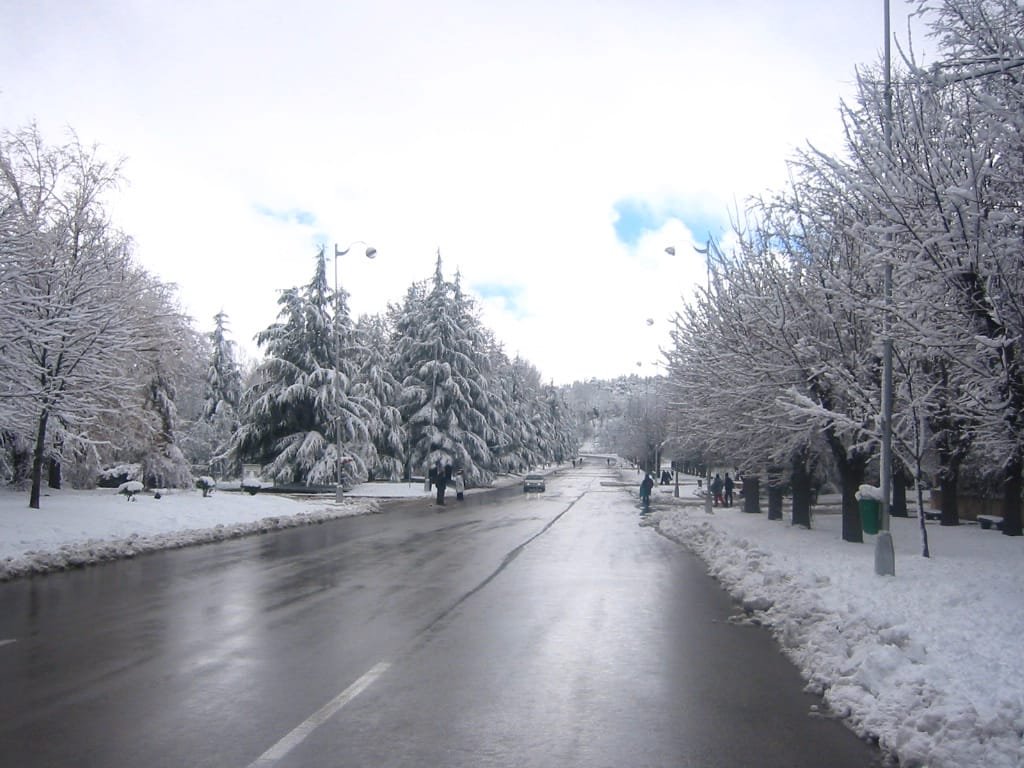
Ifrane Travel Guide
Morocco’s Scenic Alpine “Little Switzerland”
Introduction
Rising **1,665 meters** above sea level in the Middle Atlas Mountains, Ifrane surprises visitors with its alpine chalets, sloped red roofs, clean streets, and leafy public parks. Often called the “Little Switzerland” of Morocco, this unique mountain resort town was built by French colonial planners in the 1930s as a cool retreat from the sweltering heat of the plains. It is a destination characterized by neat flowerbeds, manicured lakeside lawns, and a quiet, orderly atmosphere that contrasts sharply with the chaotic medinas found throughout the rest of Morocco.
This high-altitude enclave is perfect for families, outdoor enthusiasts, and winter travelers who want to experience Morocco’s diverse mountain landscapes. The atmosphere feels clean, quiet, and peaceful, dominated by the fresh scent of cedar forests and the soothing sound of cold mountain springs. While domestic visitors flock here during the summer to cool off and during the winter to experience snow, international travelers will discover a scenic base for exploring the Middle Atlas National Park, historic cedar forests, and authentic Berber mountain towns.
Quick Facts
| Region | Fes-Meknes |
| Best time to visit | December to February (for snow and skiing) or June to September (to escape summer heat) |
| Language | Moroccan Arabic (Darija), Tashelhit (Shilha Berber), French |
| Currency | Moroccan Dirham (MAD) |
| Known for | Alpine architecture, snow sports, Barbary macaques, Al Akhawayn University |
| Day trips | Azrou cedar forests (**20 km**), Fes imperial city (**65 km**), Meknes imperial city (**85 km**) |
Top Things To Do in Ifrane
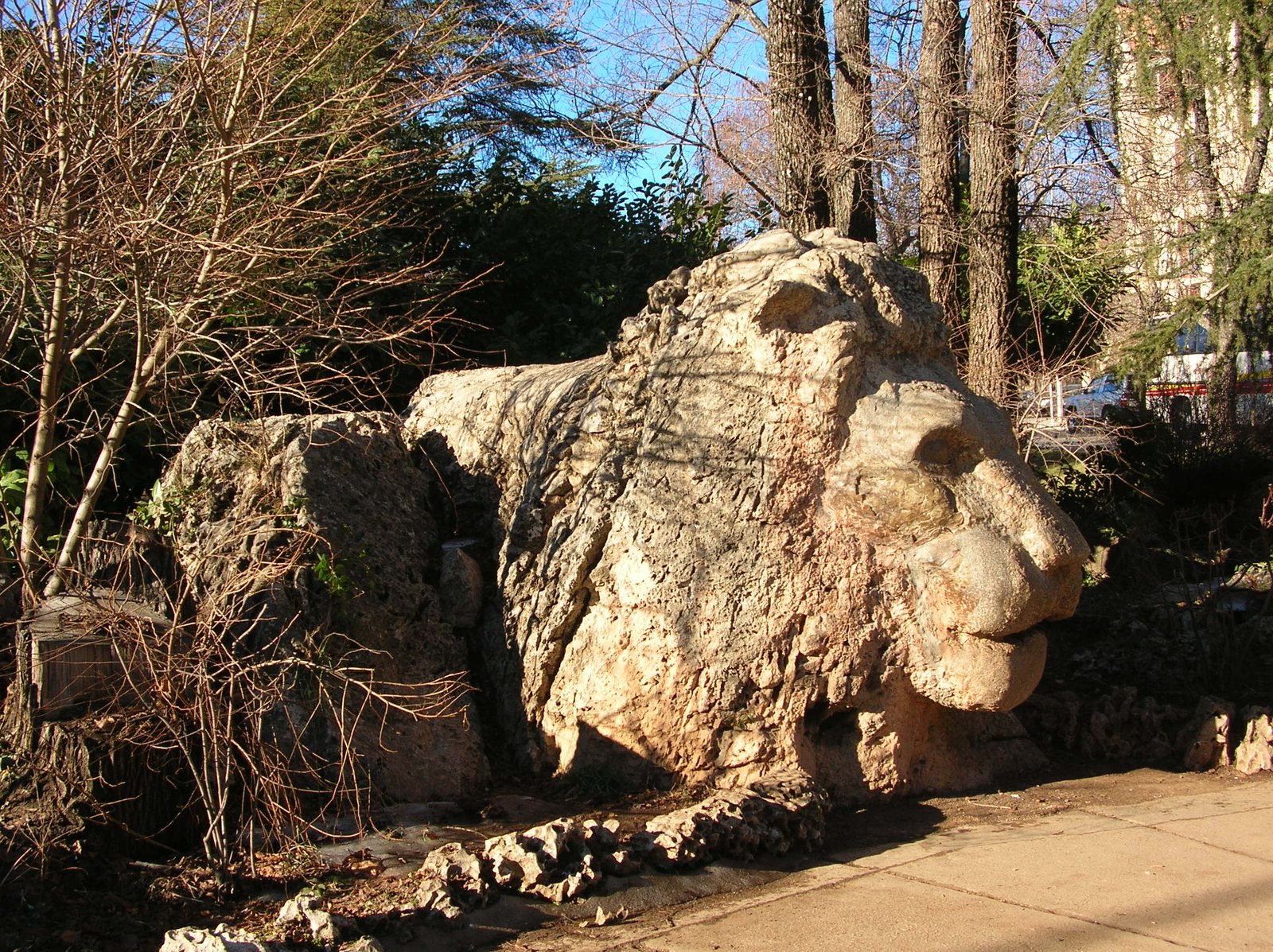
The Stone Lion (Lion d’Ifrane)
This famous stone sculpture is the most iconic landmark in Ifrane, carved in the early 1930s by a German soldier during World War II. The statue commemorates the last wild Atlas lion, which was shot near the town in 1922. It sits in a pleasant park in the center of the village and is the most popular spot for souvenir photos.
Insider tip: Visit the statue in the early morning to avoid waiting in a long line of tourists who queue up for photos during the day.
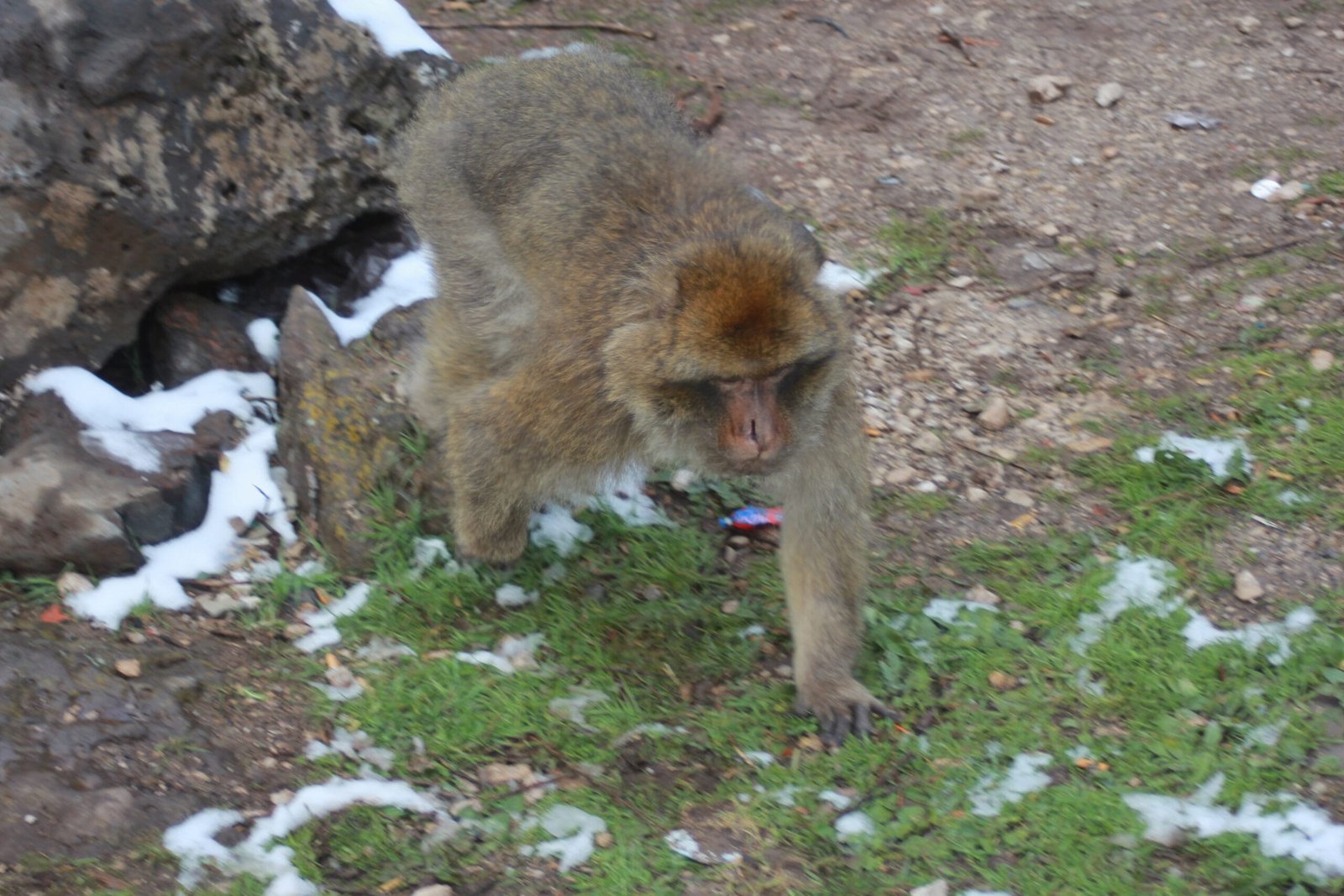
Ifrane National Park & Cèdre Gouraud Forest
This protected national park protects the largest cedar forest in the world, filled with ancient Atlas cedar trees that rise over **40 meters** high. The forest is home to groups of wild Barbary macaques (monkeys) that gather near the famous Cèdre Gouraud tree. It offers a wonderful system of hiking and mountain biking trails.
Insider tip: Do not feed the monkeys processed human food like chips or bread, as it causes health issues; instead, purchase unsalted peanuts from local forest stalls.
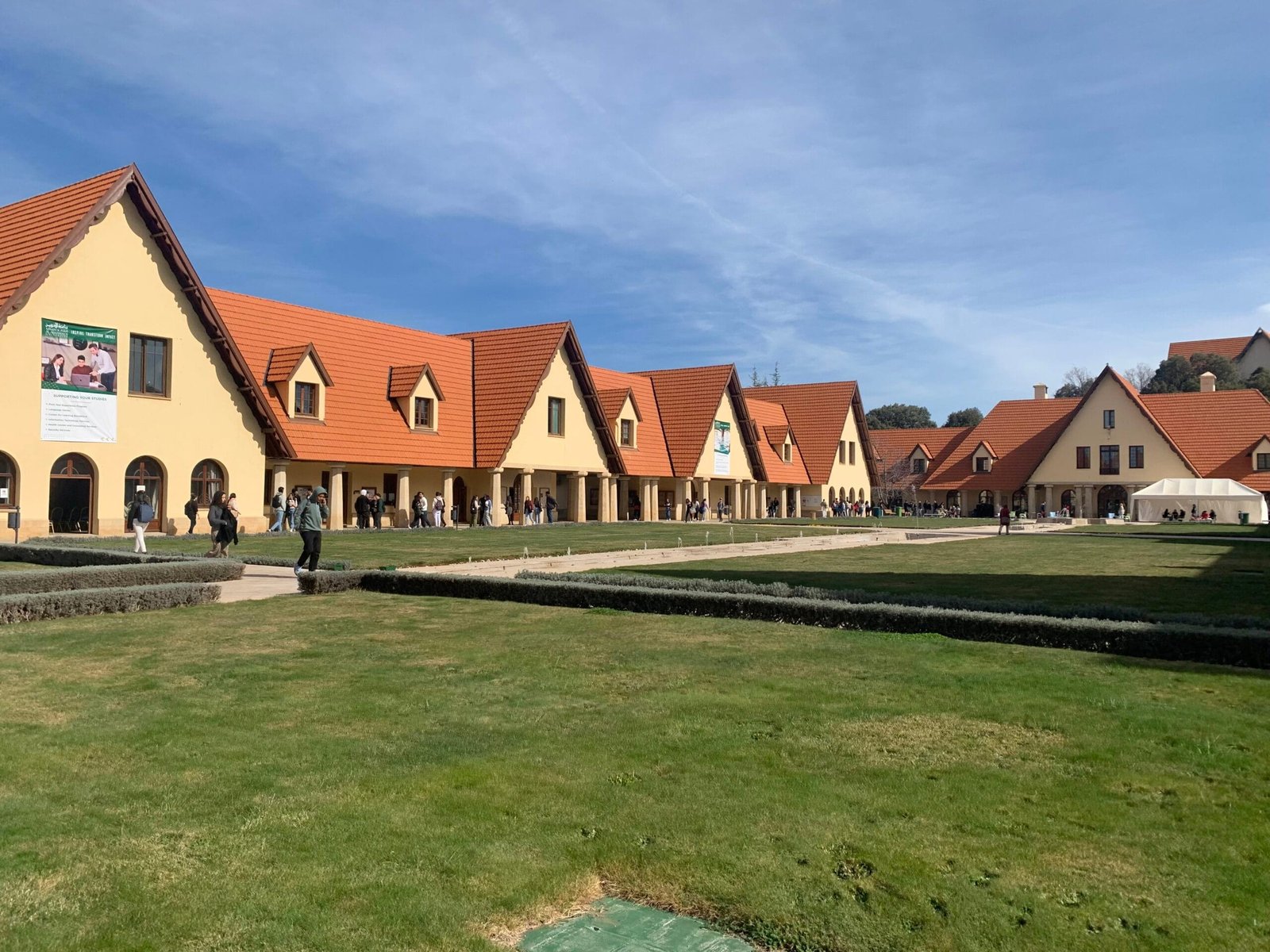
Al Akhawayn University Campus
Founded in 1995 by King Hassan II and King Fahd of Saudi Arabia, this prestigious English-language university features a spectacular alpine-style campus. The buildings feature steep red-tile roofs, stone facades, and beautifully manicured gardens, looking more like an American or Swiss university than a Moroccan school. The campus is a major center of intellectual life in the region.
Insider tip: While the campus is private, you can request visitor entry at the main security gate by presenting your passport or international ID.
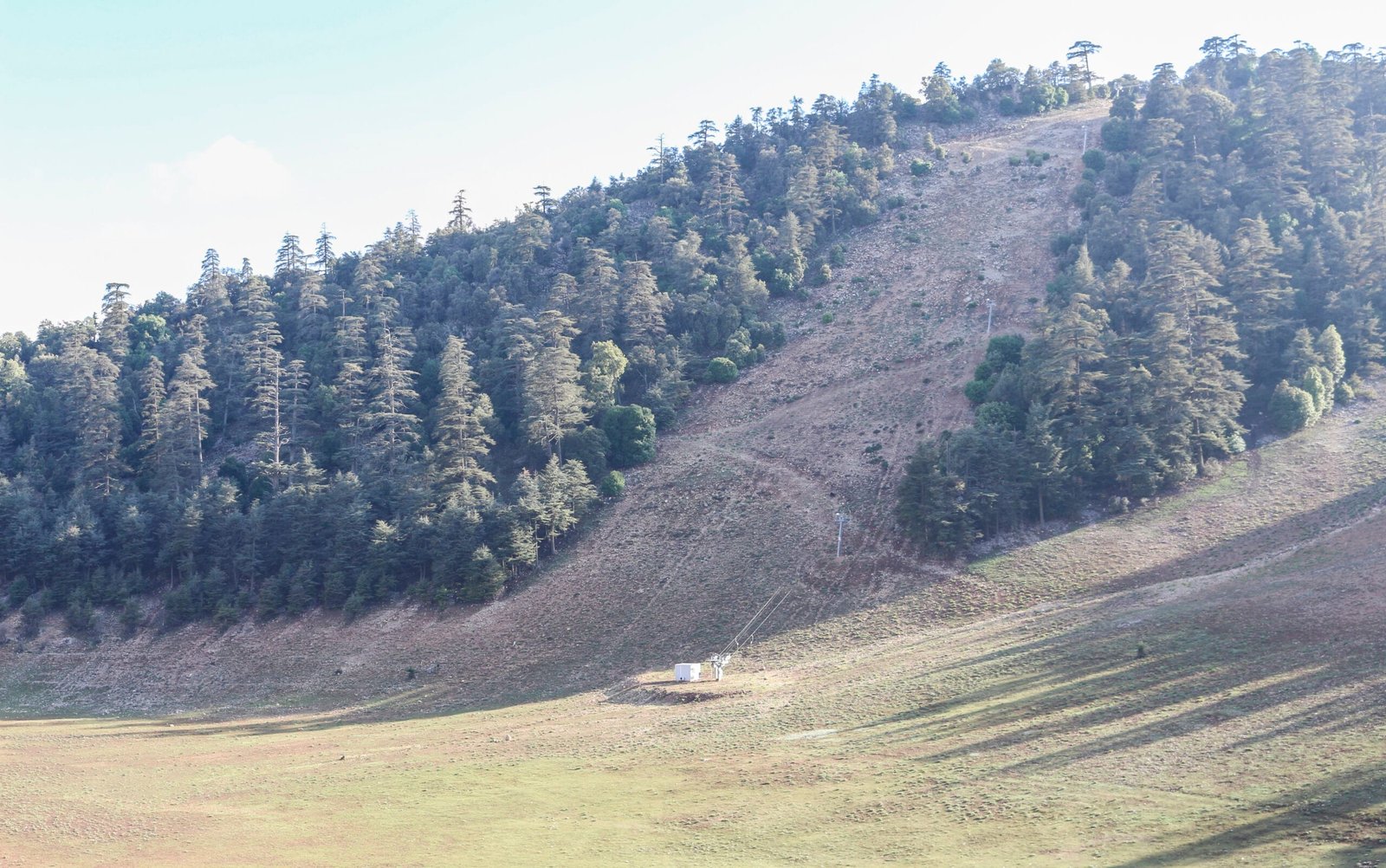
Michlifen Ski Resort
Located **17 km** south of the town, this small ski resort sits in a volcanic crater surrounded by scenic cedar forests. It features five ski lifts and slopes suitable for beginners, operating during the winter months when snow cover is sufficient. The surrounding area is popular for sledding and winter walks.
Insider tip: Rent ski and sledding equipment from local shops in Ifrane town center before heading up to the resort, as prices at the slopes are much higher.
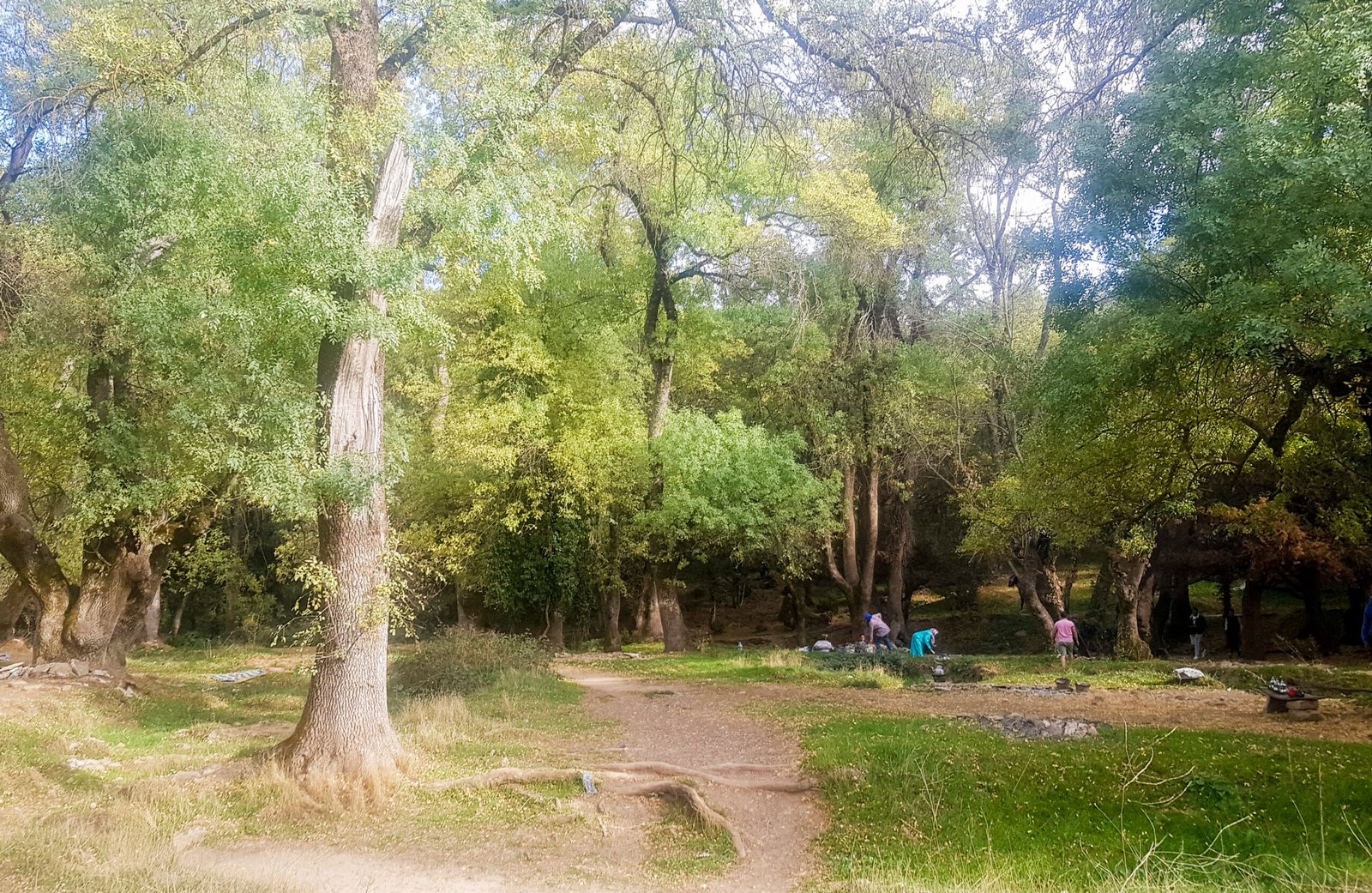
Ain Vittel (Vittel Spring)
This fresh mountain spring cascades down a rocky, wooded valley just outside the town center, creating small waterfalls and quiet streams. The area is shaded by giant maple and oak trees, offering a cool, quiet spot for walks, picnics, and horseback riding. It is a favorite getaway for local families during hot summer afternoons.
Insider tip: Walk past the initial tourist parking lot to find quieter trails leading deeper into the forest, where you can enjoy the sound of the spring in peace.
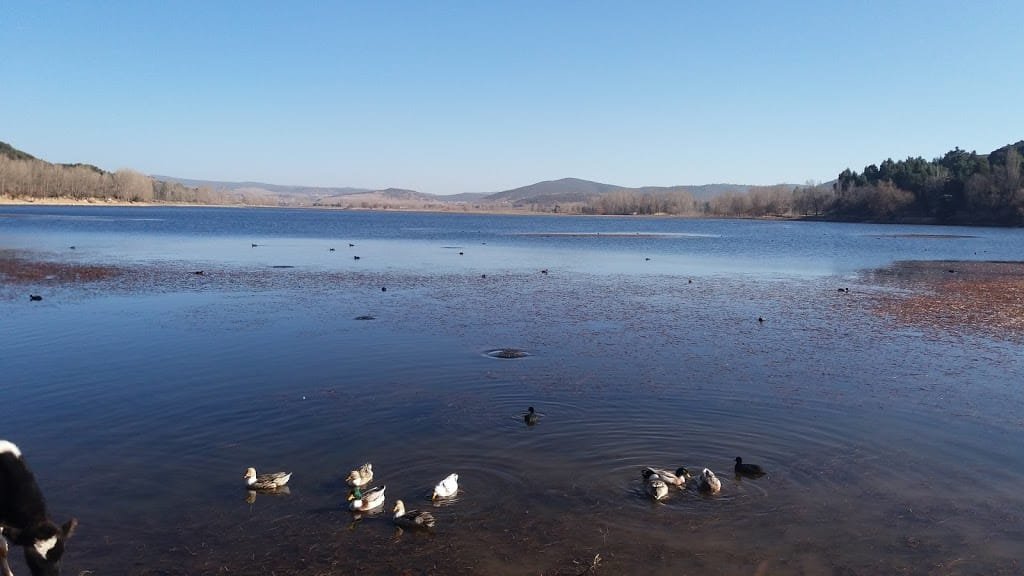
Ifrane Lake (Dayet Aoua)
This beautiful natural lake is surrounded by pine and oak forests, located **15 km** north of Ifrane. The lake is popular for birdwatching, paddle boating, and horse riding along the shoreline. It offers a scenic, peaceful landscape that changes color dramatically with the seasons.
Insider tip: Rent a wooden pedal boat from local operators for around **30-50 MAD** to enjoy views of the surrounding forests from the water.
Best Time To Visit
Because of its high altitude, Ifrane experiences a mountain climate with clear, distinct seasons, making it a year-round destination depending on your travel interests. Winter (December to February) is the peak season for domestic tourism. Temperatures average 5°C to 10°C during the day and drop below freezing at night, bringing regular snowfall that covers the red roofs and cedar forests. This is the best time for snow sports, sledding, and enjoying cozy fires in local chalets.
Summer (June to September) is another popular season, with pleasant daytime temperatures averaging 25°C to 28°C, offering a refreshing escape from the intense 40°C heat of nearby Fes. Spring (March to May) brings mild weather (averaging 18°C) and beautiful wildflower blooms, ideal for hiking in the national park. Autumn (October to November) is cool and dry, with the deciduous trees turning brilliant shades of orange and red. We recommend visiting in January for the full winter wonderland experience, or in June for pleasant hiking conditions and fresh mountain air.
How To Get There
By Plane
Ifrane has **no commercial airport**. The closest aviation hub is **Fes-Saïss Airport (FEZ)**, located **55 km** north of the town. A grand taxi from Fes airport to Ifrane costs a flat rate of around **300 MAD** and takes **1 hour**. Alternatively, take a local taxi from the airport to Fes central bus station, then catch a CTM bus.
By Train
There are **no rail lines** leading into the Middle Atlas Mountains. The nearest train stations are located in **Fes** or **Meknes**. From either station, you must transfer to a bus or hire a grand taxi to complete the journey to Ifrane.
By Bus
Buses serve as the primary public transport link to Ifrane. The premium national carrier **CTM** operates multiple daily departures. A bus from Fes takes **1.5 hours** and costs **30 MAD to 40 MAD**. Buses from Rabat take **3.5 hours** (costing **80 MAD**), while the journey from Casablanca takes **5 hours** and costs **110 MAD**. The bus terminal is located in the town center, making arrival very convenient.
By Car
If you drive, Ifrane is reached via the **N8 national road** from Fes or the **N13 road** from Meknes. The drive from Fes covers **65 km** of well-maintained mountain roads, taking approximately **1 hour** of driving. Driving from Rabat covers **200 km** via the A2 highway to Meknes, then taking the N13 south, taking **2.5 hours**.
Where To Stay
Budget (under 300 MAD/night)
For budget accommodations, explore the neighborhood of **Ain Vittel** or look for rental apartments in the **town center**. Because Ifrane lacks traditional Riads, budget stays are typically modern apartments or simple guesthouses. Look for properties that offer functioning heaters, which are essential during the winter.
- Hotel Chamonix: Located in the town center, this alpine-style budget hotel offers simple, clean rooms, good heating, and a central location starting around **250 MAD** per night.
- Gîte du Lac: A rustic guesthouse located near Dayet Aoua lake, offering cozy rooms, local Berber hospitality, and home-cooked breakfasts starting at **220 MAD** per night.
Mid-range (300-800 MAD/night)
The best area for mid-range stays is the **Ville Nouvelle** or the residential streets near the university. Here, you will find modern chalet-style hotels offering private bathrooms, central heating, Wi-Fi, and cooked breakfasts.
- Hotel Farah Inn Ifrane: Located in a quiet area, this hotel offers chalet-style apartments, outdoor pools, and beautiful views of the surrounding forests starting at **550 MAD** per night.
- Hotel Relais Ras El Maa: Positioned near the national park, offering comfortable rooms, a traditional fireplace lounge, and an outdoor garden starting around **650 MAD** per night.
Luxury (800+ MAD/night)
For luxury, seek out premium resorts located on the **slopes surrounding the town** or near the ski resort. Staying here guarantees high-end wellness spas, indoor heated pools, private luxury chalets with fireplaces, and fine dining.
- Michlifen Resort & Golf: A spectacular 5-star alpine resort offering chalet-style rooms, a heated indoor pool, a luxury spa, and a championship golf course starting at **2,200 MAD** per night.
- L’Empreinte d’Ifrane: A premium boutique hotel featuring elegant wooden architecture, private terraces with forest views, and an upscale restaurant starting at **1,200 MAD** per night.
Where To Eat & Local Food
Ifrane’s gastronomy is a unique mix of hearty Middle Atlas Berber dishes and French pastry traditions. Do not miss:
- Lamb Tagine with Prunes and Walnuts: A rich, slow-cooked tagine featuring tender Middle Atlas lamb, sweet prunes, and local walnuts.
- Harira and M’semen: A traditional combination of hearty soup and flaky pancakes, very popular at local cafes on cold winter afternoons.
- Grilled Trout: Fresh trout caught in the local mountain rivers, grilled simple with olive oil and herbs.
- Berber Bread (Tafarnout): Thick, round flatbread baked fresh over hot stones in clay ovens, served warm with wild forest honey.
For dining, avoid the tourist-heavy restaurants directly lining the central park, which charge high prices for average food. Instead, head to the local grill cafes in the **Azrou road area** for fresh meat skewers, or explore the local bakeries in the **town center** for French pastries and hot chocolate. Always check if the cafe serves wild forest honey with breakfast, and try local mountain apples in the autumn.
Practical Tips
- Safety: Ifrane is exceptionally safe and has one of the lowest crime rates in Morocco. Solo travelers and families will feel completely secure walking the town at night. Be aware of monkeys in the forest, and avoid feeding them by hand as they can bite if provoked.
- Dress Code: Ifrane has a relaxed, modern mountain culture. However, when exploring the surrounding Berber villages, dress respectfully by covering your shoulders and knees.
- Best Neighborhoods: Stroll the **Ville Nouvelle** for cafes, explore the **Ain Vittel** area for nature walks, and walk the **University District** for beautiful gardens.
- Getting Around: The town center is compact and flat, making it perfect for walking. To travel to the forest or nearby ski resort, use the silver **Petit Taxis** which run on fixed fares around **10 MAD to 15 MAD**.
- Tipping: Tipping is common. Leave **5% to 10%** at casual cafes and restaurants, and round up the bill for taxi drivers.
- Useful Phrases: Use **”Shokran”** (Thank you), **”Bshal?”** (How much?), and **”Sbah lkhayr”** (Good morning) to communicate.
- What to Avoid: Avoid traveling to the ski slopes on winter weekends without checking road conditions, as heavy snow can close mountain passes. Avoid buying “fossil” souvenirs from street vendors, as they are often painted concrete.
Planning Your First Trip with Klook?
Use the link below to sign up and book your activities with Klook to claim exclusive discounts and promo offers on your tours.
Claim Discount & Book NowFrequently Asked Questions
Q: Is ifrane safe for tourists?
A: Yes, Ifrane is exceptionally safe for tourists, with a very low crime rate and a quiet, clean atmosphere. Solo travelers and families can comfortably walk the town center at night without safety concerns.
Q: How many days do I need in ifrane?
A: You need one to two days to explore the town center, visit the Stone Lion, walk the Ain Vittel trail, and visit the cedar forest. If you plan to ski at Michlifen or hike in the national park, extend your stay to three days.
Q: What is ifrane known for?
A: Ifrane is famous for its unique alpine architecture, sloped red roofs, and cold winters with regular snowfall, earning it the nickname “Little Switzerland.” It is also well-known for Al Akhawayn University and the surrounding cedar forests.
Q: What is the best time to visit ifrane?
A: The best time to visit Ifrane is from December to February for snow sports and winter landscapes. Alternatively, June to September offers pleasant daytime temperatures that are perfect for escaping the heat of the plains.
Q: How do I get from Marrakech to ifrane?
A: Take the train from Marrakech to Meknes or Fes, which takes about six hours. From Fes or Meknes, hire a grand taxi or catch a CTM bus for the final one-hour drive up to Ifrane.
Q: Is ifrane worth visiting?
A: Yes, Ifrane is highly worth visiting, offering a unique alpine landscape and mountain air that contrasts sharply with Morocco’s traditional imperial cities. It is a favorite destination for nature lovers, hikers, and families.