
Dakhla Travel Guide
Morocco’s Kitesurfing & Eco-Adventure Paradise
Introduction
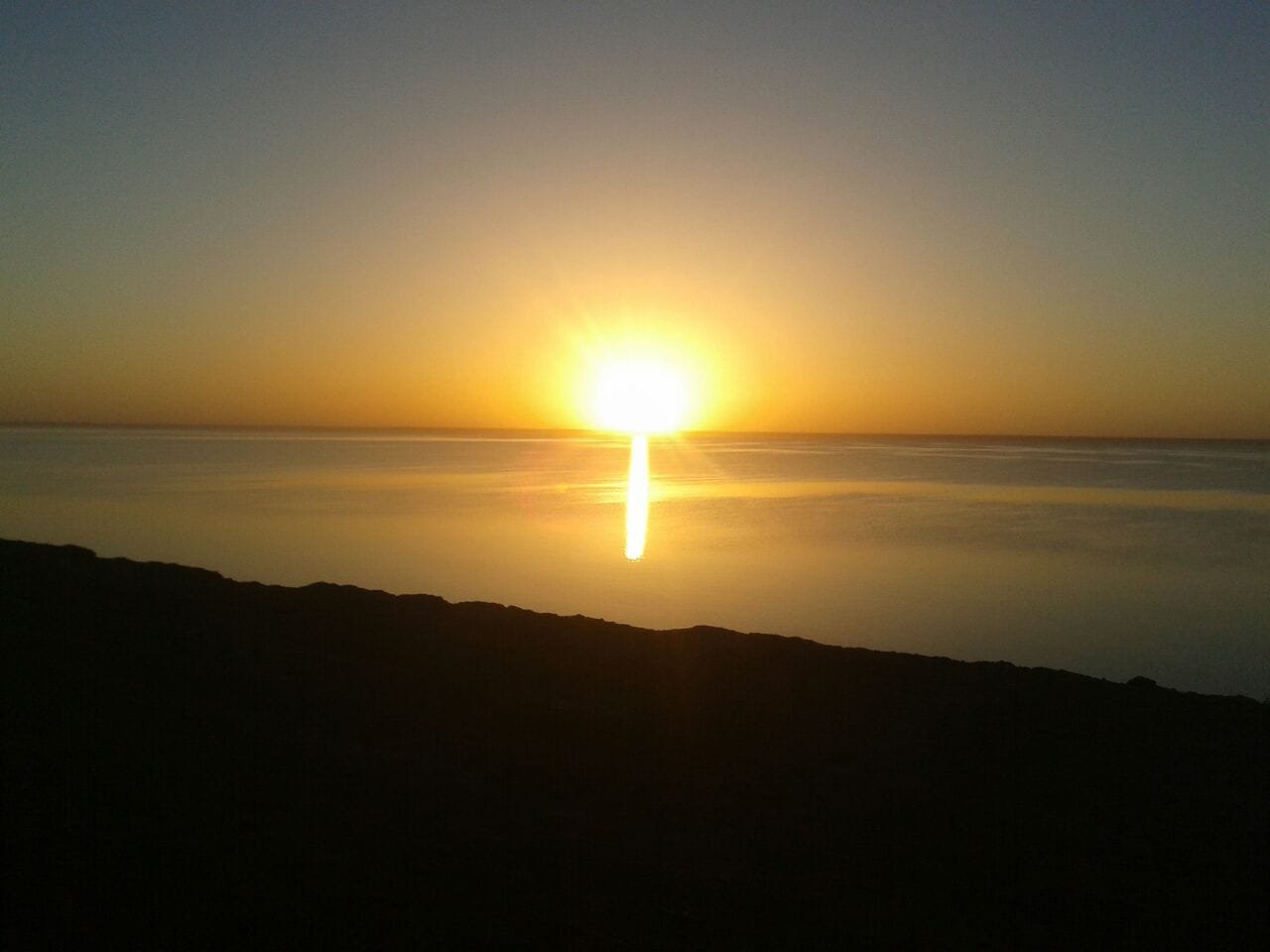
Perched on the edge of a narrow peninsula where the golden Saharan sands spill directly into the turquoise waters of the Atlantic, Dakhla sits as one of the world’s premier kitesurfing destinations. Located in the far south of Morocco, this unique geographical outpost features a massive 40-kilometer lagoon characterized by constant desert winds, flat water, and exceptionally rich marine life. It is a place where the dramatic silence of the desert meets the roaring energy of the ocean, creating a raw and wild landscape that feels untouched by mainstream tourism.
This windswept enclave is perfect for kitesurfers, windsurfers, eco-travelers, and adventure-seekers who want to escape commercial resorts and experience the raw beauty of the Sahara. The atmosphere feels wild, remote, and intensely peaceful, dominated by the daily rhythm of the tides and the steady howling of the trade winds. While kitesurfing is the primary draw, travelers who venture here will discover an incredible local culture that blends Sahrawi traditions with exceptional fresh seafood and unique desert excursions.
Quick Facts
| Region | Dakhla-Oued Ed-Dahab |
| Best time to visit | May to September (strongest winds, warmest weather) or October to April (mild weather, bird watching) |
| Language | Hassaniya Arabic, Moroccan Arabic (Darija), French, Spanish |
| Currency | Moroccan Dirham (MAD) |
| Known for | Kitesurfing, oyster farming, white sand dunes, Saharan desert meets ocean |
| Day trips | White Dune (Dune Blanche) (**30 km**), Porto Rico beach (**60 km**), Imlili Desert Pools (**130 km**) |
Top Things To Do in Dakhla
Dakhla Lagoon
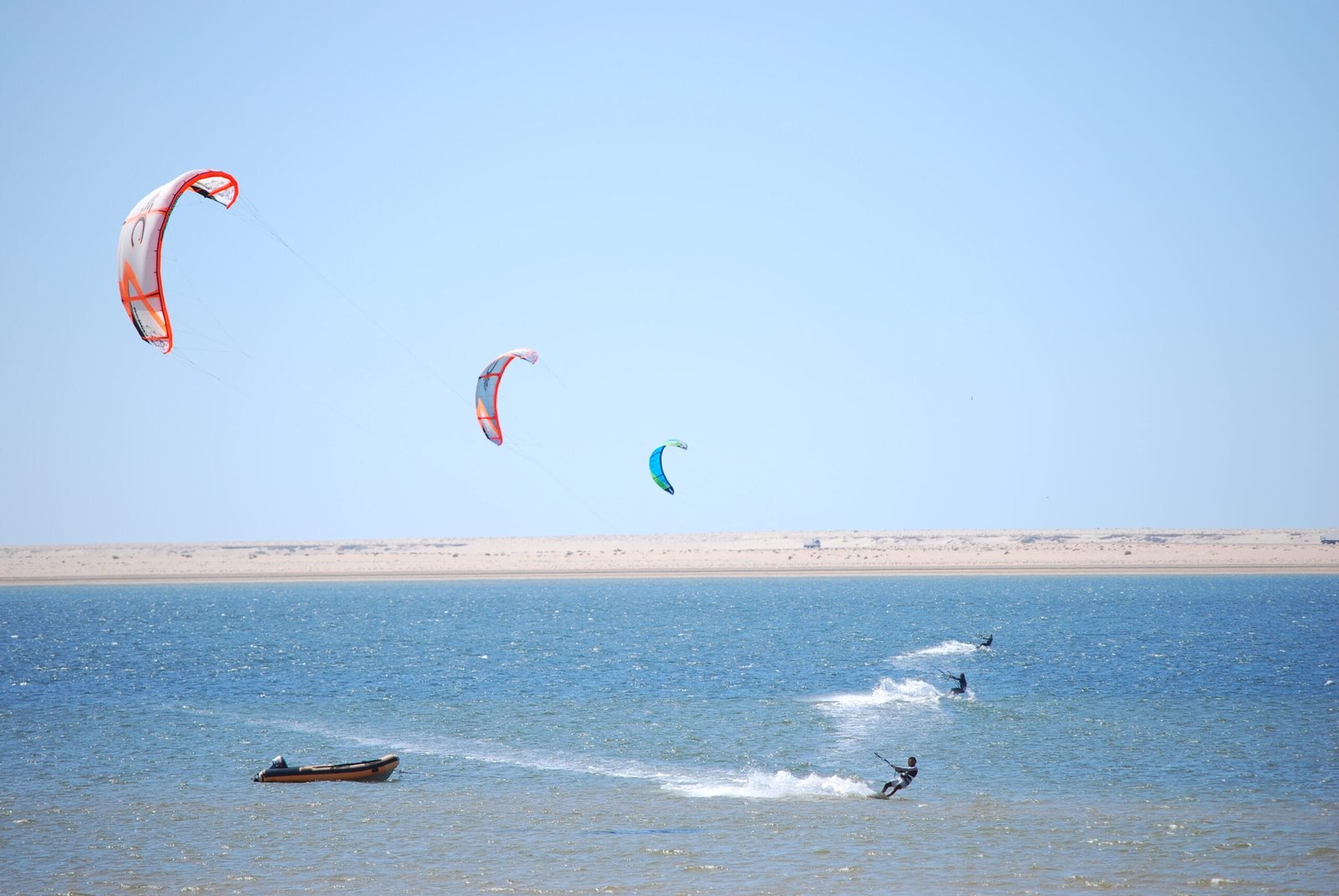
This massive, sheltered lagoon offers the most reliable wind conditions in the world, boasting over **300 windy days** per year. The flat, waist-deep waters make it an exceptionally safe and easy place for beginners to learn kitesurfing, while professional riders flock here for world cup training. Numerous eco-lodges and kitesurf schools line the lagoon shores, offering top-tier equipment rental and instruction.
Insider tip: Visit during the summer months of July and August when the Nord-Est trade winds blow strongest and most consistently.
The White Dune (Dune Blanche)
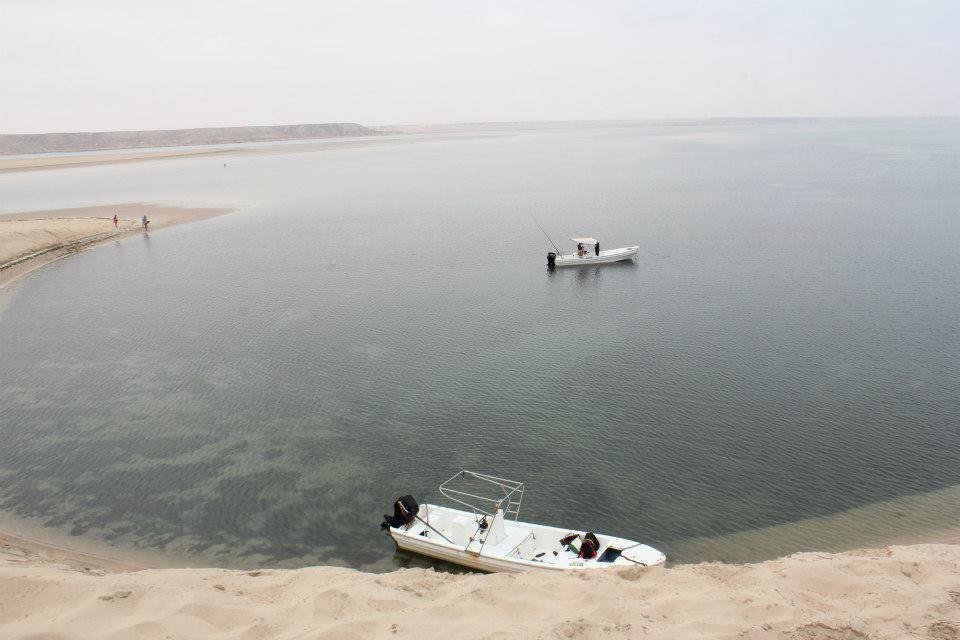
This towering, crescent-shaped sand dune rises dramatically from the center of the shallow lagoon waters. At high tide, the lagoon surrounds the dune, transforming it into a white island where kitesurfers jump directly from the sand dunes into the deep water. At low tide, a vast sandbar connects the dune to the mainland, allowing visitors to walk across.
Insider tip: Hire a 4×4 vehicle with a local driver to visit the dune during high tide for the most spectacular photo opportunities and deep-water swims.
Imlili Desert Pools
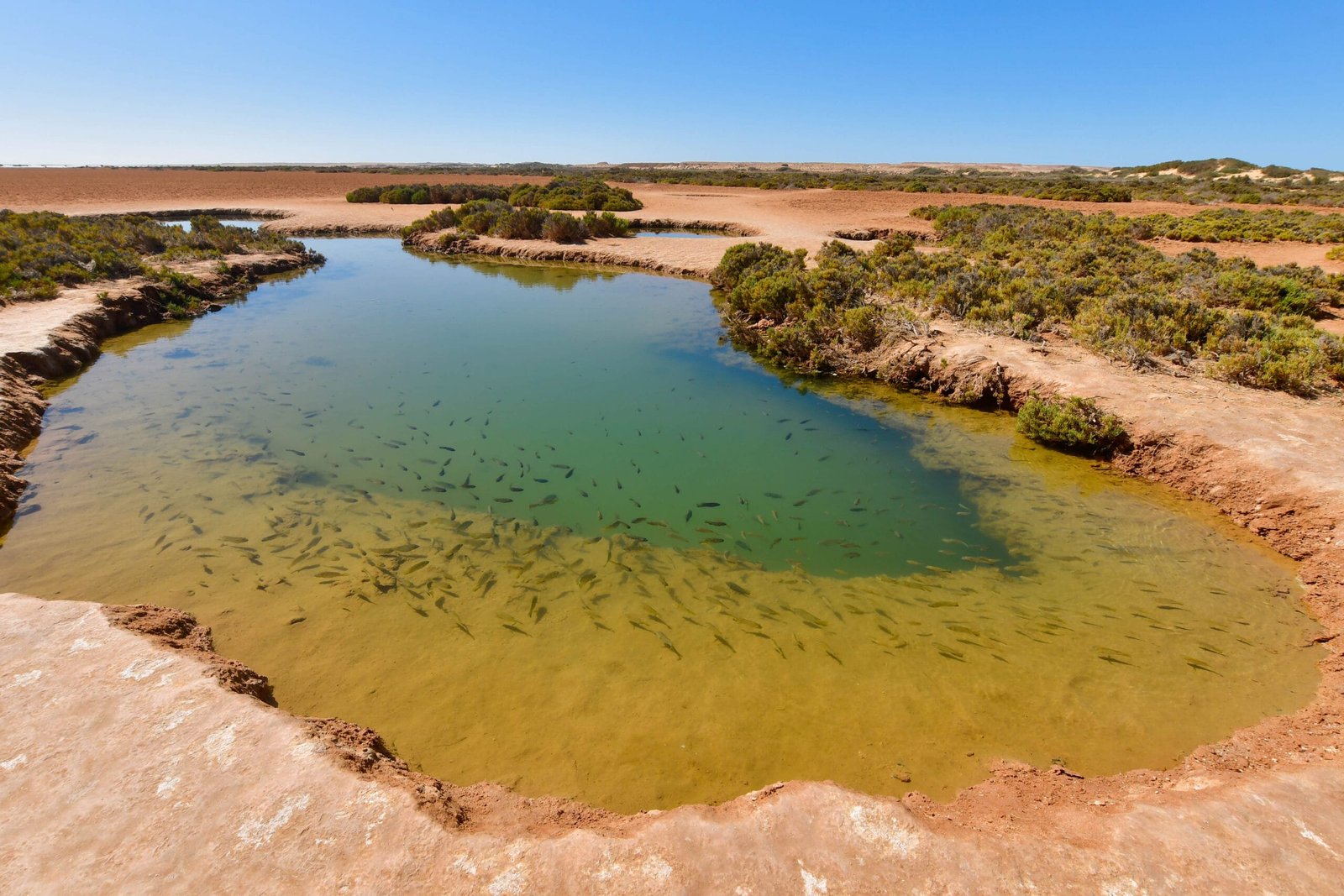
Located deep in the Saharan desert, these mysterious permanent saltwater pools are home to tiny, warm-water fish that nibble on your skin. The pools are surrounded by dry, cracked earth and low scrub bushes, creating a surreal oasis in the middle of the rocky desert floor. It is a unique geological wonder that requires a guided 4×4 expedition to reach.
Insider tip: Dip your feet into the pools for a natural fish pedicure, but do not wear sunscreen as the chemicals can harm this fragile desert ecosystem.
Porto Rico Beach & Asmaa Hot Springs
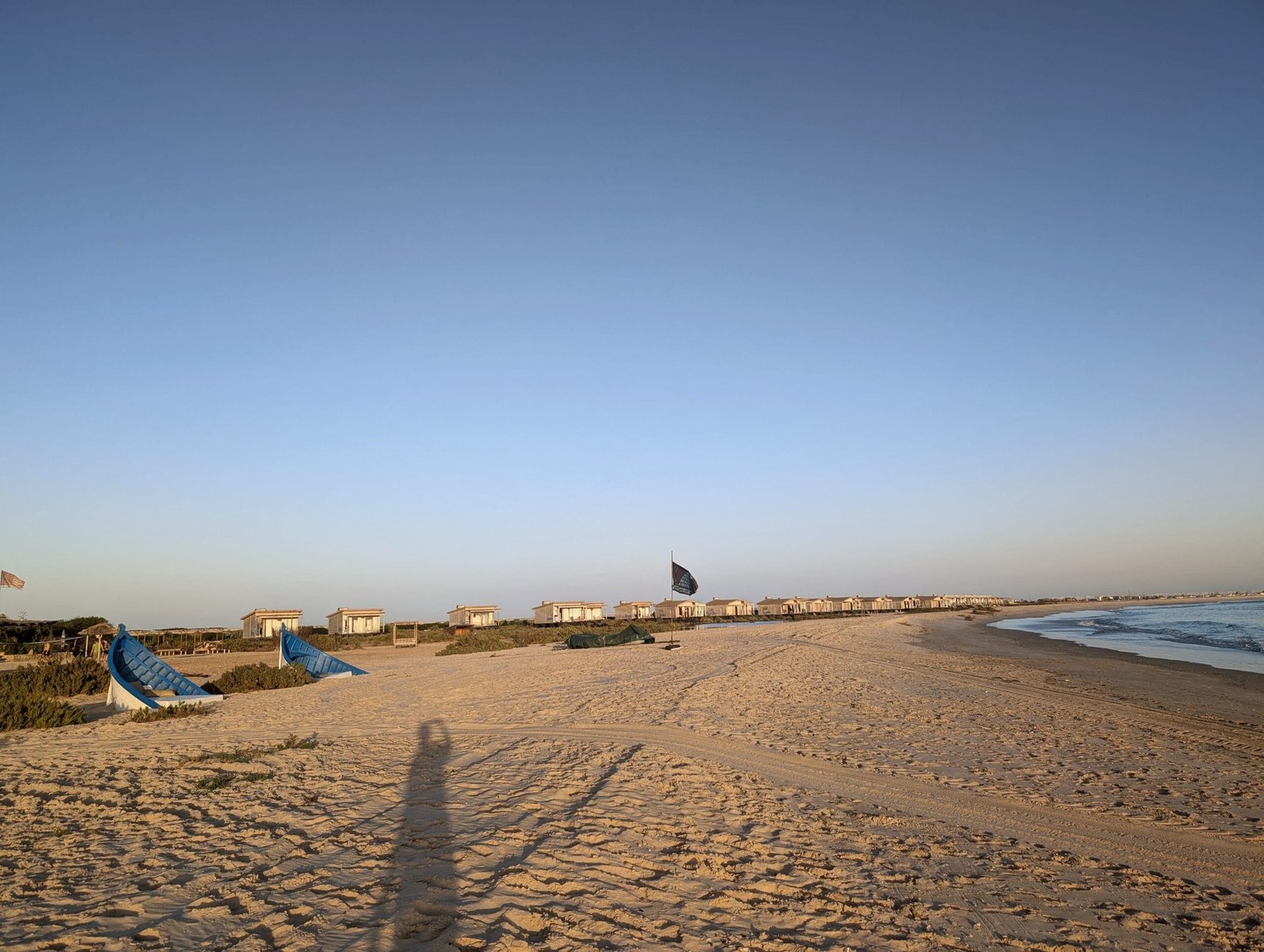
Porto Rico is a beautiful, wild beach featuring a dramatic stone arch and crystal-clear water, located **60 km** south of the city. Nearby, the Asmaa Hot Springs release warm, sulfur-rich groundwater under high pressure, offering natural therapeutic showers on the desert floor. Together, they make for an excellent day of relaxation and natural wellness.
Insider tip: The sulfur smell from the hot springs can be very strong, so wear an old swimsuit that you do not mind washing multiple times.
Dakhla Oyster Farms
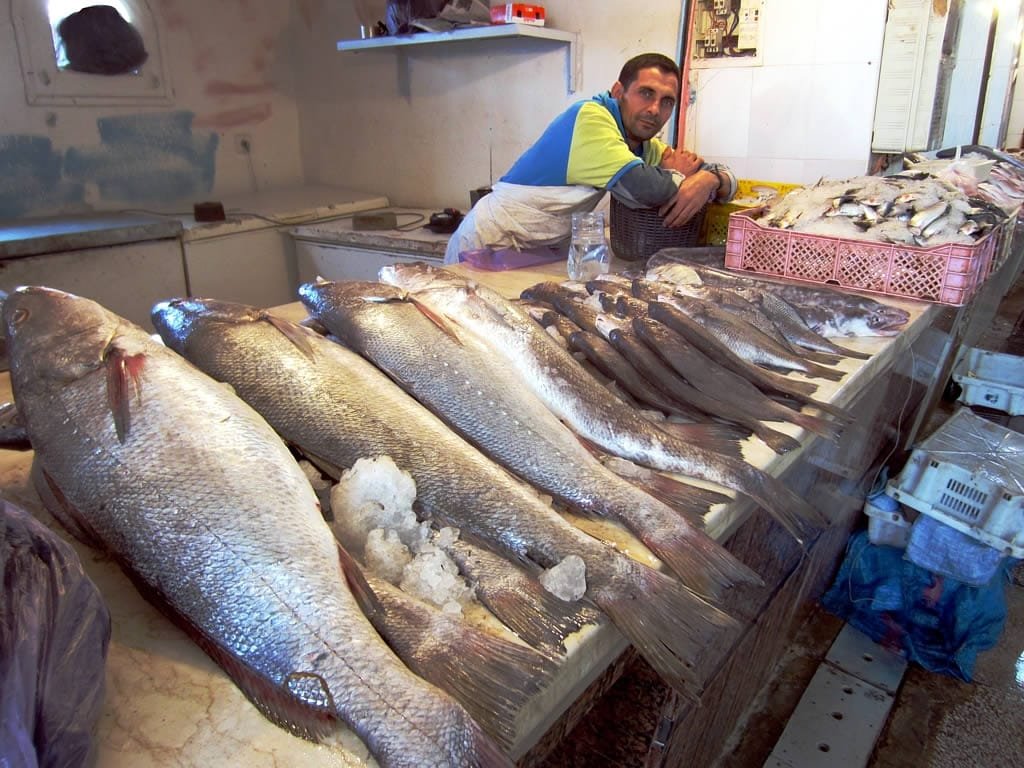
Dakhla’s nutrient-rich, clean lagoon waters produce some of the finest oysters in Africa, exported directly to Europe. The local oyster farms feature rustic wooden tables positioned right on the shoreline, where you can enjoy fresh oysters shucked to order alongside grilled fish. It is a must-visit culinary experience that offers exceptional value.
Insider tip: Visit the farm at low tide to see the oyster beds exposed, and try the grilled octopus cooked with traditional Moroccan spices.
Dragon Island (Île du Dragon)
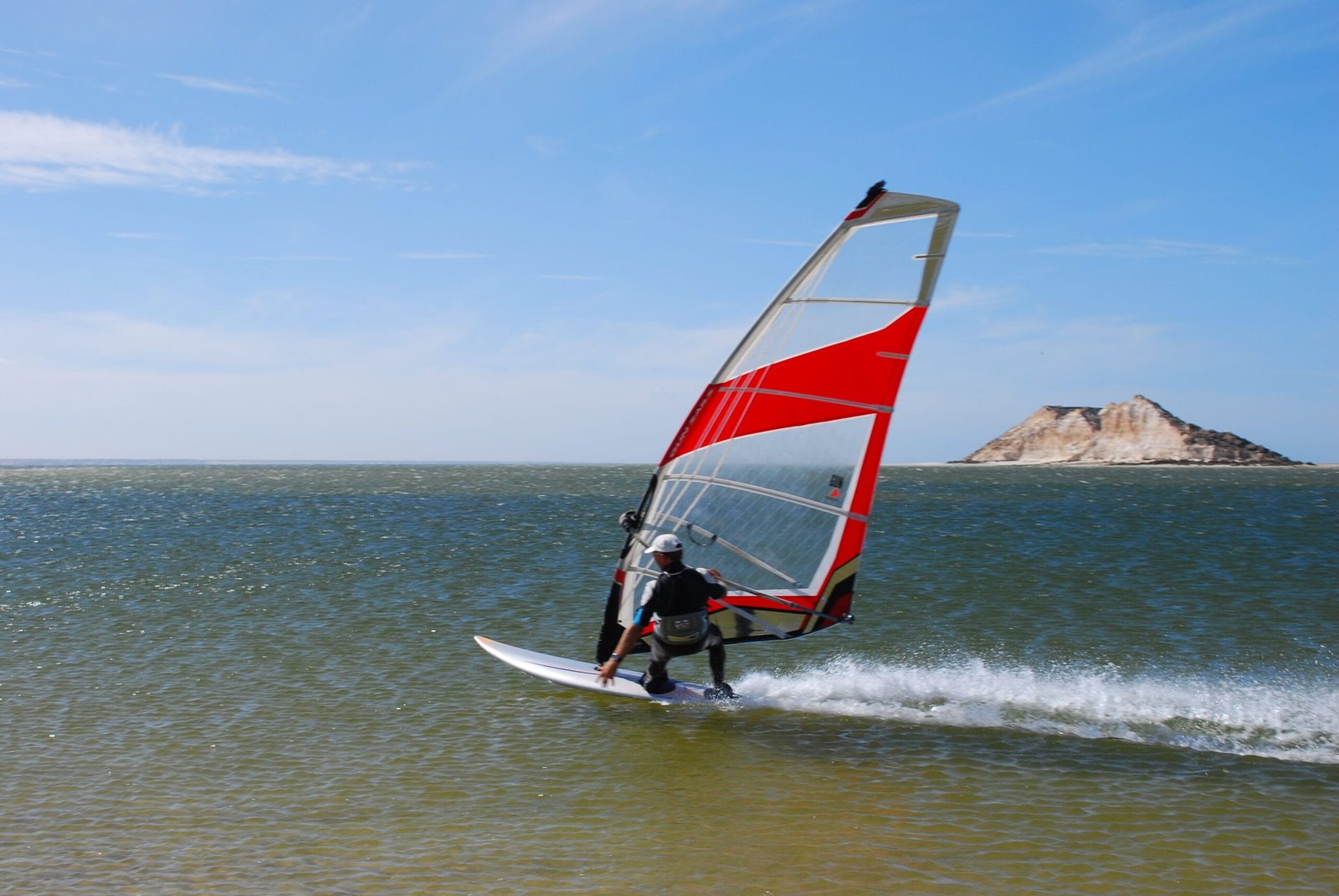
This uninhabited island in the center of the lagoon is shaped like a sleeping dragon, accessible by walking across the shallow sand flats at low tide. The island features white sandy beaches, rocky cliffs, and tidal pools filled with crabs and sea birds. It offers a wonderful day of hiking and peaceful beach isolation.
Insider tip: Check the local tide table carefully before walking out, and wear water shoes to protect your feet from sharp shells and stingrays.
Best Time To Visit
Dakhla enjoys a dry Saharan climate tempered by the cold Atlantic Canary Current, keeping temperatures highly comfortable year-round. The summer months (May to September) represent the peak season for kitesurfing. During this time, temperatures average 24°C to 28°C, and the winds blow consistently at 20 to 30 knots, making it the best window for water sports. Accommodation prices are at their highest, and booking eco-lodges in advance is essential.
Autumn and Spring (October to April) bring mild, pleasant weather averaging 22°C, with lighter winds. This is the ideal season for desert exploration, birdwatching (as thousands of migratory birds like flamingos arrive in the lagoon), and budget travel, as hotel rates drop significantly. Winter (December to February) is dry and sunny, with daytime temperatures averaging 20°C, though evenings can drop to 12°C and require warm layers. Surf enthusiasts visit during these months to catch the large ocean swells along the outer Atlantic coast. We recommend visiting in September for the perfect balance of warm sea temperatures, consistent winds, and fewer crowds.
How To Get There
By Plane
Dakhla is served by **Dakhla Airport (VIL)**, located just **3 km** north of the city center. The airport receives daily domestic flights from Casablanca and Agadir operated by Royal Air Maroc, alongside seasonal direct flights from Paris. A petit taxi from the airport to the city center costs a flat rate of **15 MAD**. Most kitesurf eco-lodges include free airport transfers for guests booking packages.
By Train
There are **no rail lines** leading to Dakhla. The high-speed Al Boraq and regular train networks terminate far to the north in Marrakech. If you travel by train, you must take a train to Marrakech, then transfer to a long-distance bus or domestic flight.
By Bus
Long-distance buses run daily from Marrakech and Agadir, operated by **CTM** and **Supratours**. However, the journey is extremely long. A bus ride from Agadir covers **1,200 km** and takes **18 to 20 hours**, costing **400 MAD to 500 MAD**. Due to the extreme distances, we highly recommend taking a domestic flight instead.
By Car
If you drive, Dakhla is reached via the **N1 national road**, which runs along the Atlantic coast from Agadir. The drive is a straight, single-lane road through the desert covering **1,200 km** and takes **14 to 16 hours** of driving. You will pass multiple military checkpoints, requiring you to carry a list of passenger details (known as a “fiche”).
Where To Stay
Budget (under 300 MAD/night)
For budget accommodations, stay in **Dakhla Town** itself rather than the lagoon eco-lodges. The town center offers simple, clean hotels and rental apartments that are close to local restaurants and public transport. Look for family-run pensions near the waterfront.
- Hotel Sahara Dakhla: Located in the town center, this budget hotel offers clean private rooms, hot water, and helpful local staff starting around **250 MAD** per night.
- Dakhla Hotel: Positioned near the harbor, offering simple double rooms, rooftop views, and easy access to local fish restaurants starting at **220 MAD** per night.
Mid-range (300-800 MAD/night)
The best area for mid-range stays is the **waterfront boulevard** in Dakhla town or mid-range surf camps on the northern edge of the lagoon. These properties offer comfortable rooms, private bathrooms, air conditioning, and buffet breakfasts.
- Hotel West Point Dakhla: Located on the oceanfront, this resort offers comfortable wooden cottages, a swimming pool, and direct access to surf breaks starting around **750 MAD** per night.
- Bab Al Bahar Hotel: Positioned on the bay, featuring spacious rooms with sea views, private balconies, and an on-site seafood restaurant starting at **650 MAD** per night.
Luxury (800+ MAD/night)
For luxury, choose the famous **Lagoon Eco-Lodges** located on the northern shore of the lagoon. Staying here offers full-board accommodation, private beachfront bungalows with panoramic views of the water, premium spa services, and direct access to kitesurf schools.
- Dakhla Club Hotel & Spa: A luxury eco-lodge offering stylish bungalows integrated into the dunes, a heated pool, wellness treatments, and a professional kitesurf center starting at **1,500 MAD** per night.
- Dakhla Attitude: The most famous resort on the lagoon, offering luxury bungalows overlooking Dragon Island, a wellness center, and full-board dining starting around **1,200 MAD** per night.
Where To Eat & Local Food
Dakhla’s gastronomy is a unique mix of Sahrawi desert traditions and fresh Atlantic seafood. Do not miss these dishes:
- Lagoon Oysters: Fresh, sweet oysters served raw with lemon and Tabasco sauce directly at the local oyster farms.
- Tidikit (Camel Tagine): A Sahrawi specialty featuring tender camel meat cooked slowly in a clay pot with local spices, potatoes, and carrots.
- Grilled Octopus: Freshly caught octopus tenderized and grilled over hot coals, served with olive oil and cumin.
- Saharan Tea: A strong, sweet green tea brewed with mint and poured from a high distance to create a thick layer of foam.
For dining, avoid the hotel restaurants which charge high prices for international buffet food. Instead, head to the rustic oyster farms along the **lagoon shore** for an authentic seafood lunch, or explore the local grills in the **town center** for camel meat skewers and fresh flatbread. Always check if the seafood is sourced directly from the local fishing port in the morning, and try camel milk at local dairy shops.
Practical Tips
- Safety: Dakhla is exceptionally safe for tourists, with a heavy military and police presence keeping the region secure. However, you should avoid traveling off-road in the desert without a local guide, as unmarked borders and old minefields exist near the military wall.
- Dress Code: Dakhla town and local Sahrawi communities are highly conservative. Dress respectfully by covering your shoulders and knees when walking in the town center or markets. In the tourist lagoon zone, beachwear is perfectly acceptable.
- Best Neighborhoods: Walk along the **Waterfront Boulevard** in town for coastal views, and explore the **Tourist Lagoon Zone** for water sports activities.
- Getting Around: Within Dakhla town, use the yellow **Petit Taxis** for flat rates of **15 MAD**. For travel to the lagoon or remote beaches, you must arrange a 4×4 vehicle with a driver or rent a car.
- Tipping: Tipping is common. Leave **5% to 10%** at local cafes and restaurants, and round up the fare for taxi drivers.
- Useful Phrases: Use **”Marhaban”** (Welcome), **”Shokran”** (Thank you), and **”Bshal?”** (How much?) to communicate with locals.
- What to Avoid: Avoid swimming in the deep ocean channels outside the lagoon due to strong currents and sharks. Avoid buying Sahrawi jewelry from street vendors, as it is often cheap plastic imports.
Planning Your First Trip with Klook?
Use the link below to sign up and book your activities with Klook to claim exclusive discounts and promo offers on your tours.
Claim Discount & Book NowFrequently Asked Questions
Q: Is dakhla safe for tourists?
A: Yes, Dakhla is exceptionally safe for tourists, with low crime rates and a helpful police presence. You should, however, avoid traveling deep into the Saharan desert near the border wall without an official guide.
Q: How many days do I need in dakhla?
A: If you visit for kitesurfing, you need five to seven days to fully enjoy the wind and take lessons. If you visit for sightseeing and desert excursions, three to four days is perfect to explore the lagoon and town.
Q: What is dakhla known for?
A: Dakhla is famous for its massive turquoise lagoon, which offers world-class kitesurfing and windsurfing conditions. It is also well-known for its fresh oyster farms, white sand dunes, and unique desert-meets-ocean geography.
Q: What is the best time to visit dakhla?
A: The best time to visit Dakhla is from May to September when the winds blow strongest and most consistently for kitesurfing. For birdwatching and cooler desert sightseeing, visit from October to April.
Q: How do I get from Marrakech to dakhla?
A: The most convenient way is to take a direct domestic flight from Marrakech to Dakhla Airport, which takes under two hours. Traveling by bus or car is not recommended due to the extreme 1,400 km desert distance.
Q: Is dakhla worth visiting?
A: Yes, Dakhla is highly worth visiting to experience its unique lagoon landscapes, world-class kitesurfing, and rich Sahrawi culture. It offers a wild, remote desert-meets-ocean experience that is entirely different from northern Morocco.