
Introduction to Moroccan Cuisine
Moroccan cuisine is a vibrant and essential aspect of Moroccan culture, reflecting the country’s rich history and diverse influences. This culinary art form is deeply rooted in the traditions of the Moroccan people, embodying a blend of Berber, Arab, Mediterranean, and African elements. Each of these cultural strands contributes to the unique flavors and cooking techniques that characterize the Moroccan palate.
The significance of Moroccan cuisine transcends mere sustenance; it encompasses a way of life and a means of social interaction. Meals are often communal, bringing family and friends together to share in the bounty of the table, thus reinforcing social bonds. Traditional dishes are frequently prepared using time-honored methods, such as slow-cooking in tagines or using spices to enhance natural flavors, symbolizing the deep respect for culinary heritage among Moroccan families.
Throughout the regions of Morocco, the influence of the various cultures is evident in regional specialties and cooking styles. The Berber roots emphasize the use of locally-grown ingredients and traditional grain dishes, like couscous, which has gained iconic status beyond borders. Arab influence introduces a variety of spices and sweet flavors, often observed in dishes like tagines and pastilla. Meanwhile, the Mediterranean touch brings seafood into the culinary repertoire, further diversifying the array of available dishes. African influences also contribute to the cuisine, particularly in the use of flavors such as chili peppers and spices.
This rich tapestry of culinary practices has led to a gastronomy that is not only delicious but also reflective of Morocco’s identity. As we explore the common foods of Morocco, it becomes evident how these influences meld together to create a unique and memorable culinary experience, one that continues to thrive and evolve in the modern era.
Key Ingredients in Moroccan Cooking
Moroccan cuisine is celebrated for its vibrant flavors, aromatic spices, and diverse ingredients, all of which contribute to the rich culinary landscape of the country. Understanding the fundamental ingredients that define Moroccan food is essential to appreciating its unique characteristics.
At the heart of Moroccan cooking lies an array of spices that create depth and warmth in dishes. Common spices include cumin, coriander, cinnamon, and saffron, each imparting distinct flavors that enhance the overall taste profile. Ras el hanout, a spice blend that translates to “head of the shop,” represents a creative combination of several spices, often tailored to individual preferences. This blend is a staple in many traditional dishes, encapsulating the essence of Moroccan cooking.
Herbs also play a vital role in Moroccan dishes, with fresh cilantro and parsley being the most prevalent. These herbs are often used in tagines and salads, providing a refreshing balance to the rich and hearty elements of the cuisine. Additionally, mint is commonly used in both savory and sweet dishes, as well as in the iconic Moroccan mint tea.
Grains are a fundamental part of Moroccan meals, with couscous being a primary staple. This versatile grain serves as a base for various tagines, allowing it to absorb the juicy flavors of the accompanying ingredients. Bread, particularly khobz, is another essential element, often served with every meal as a tool for scooping up flavorful stews.
Meats such as lamb, chicken, and beef also feature prominently in Moroccan cuisine. These proteins are frequently slow-cooked in tagines with vegetables and spices, resulting in tender and flavorful dishes that are deeply rooted in tradition. Each ingredient, whether it be a spice, herb, grain, or meat, contributes to the intricate tapestry of flavors that define Moroccan food, making it a beloved culinary tradition around the world.
Popular Moroccan Dishes
Moroccan cuisine is characterized by its diverse flavors, aromatic spices, and unique cooking techniques. Among the most popular dishes are Tagine, Couscous, and Pastilla, each offering a distinct taste that reflects the rich cultural heritage of Morocco.
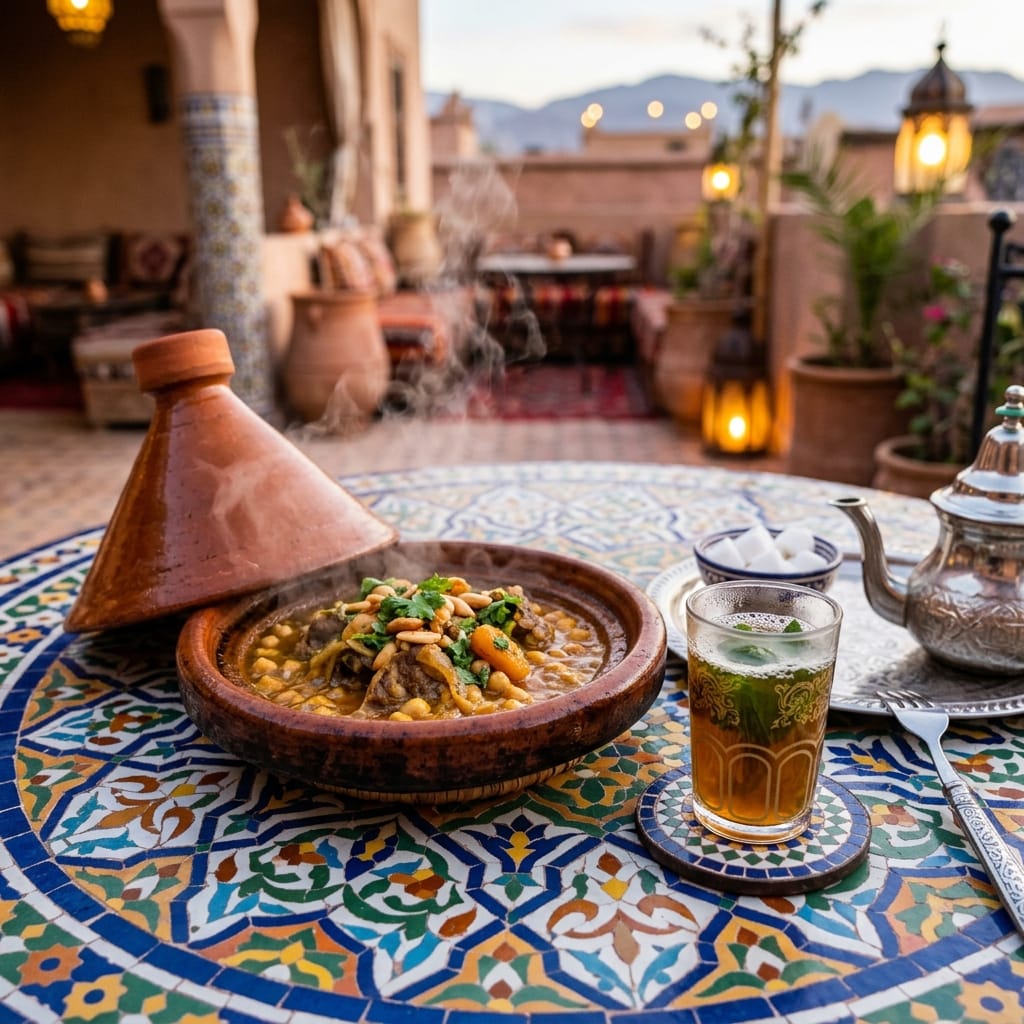
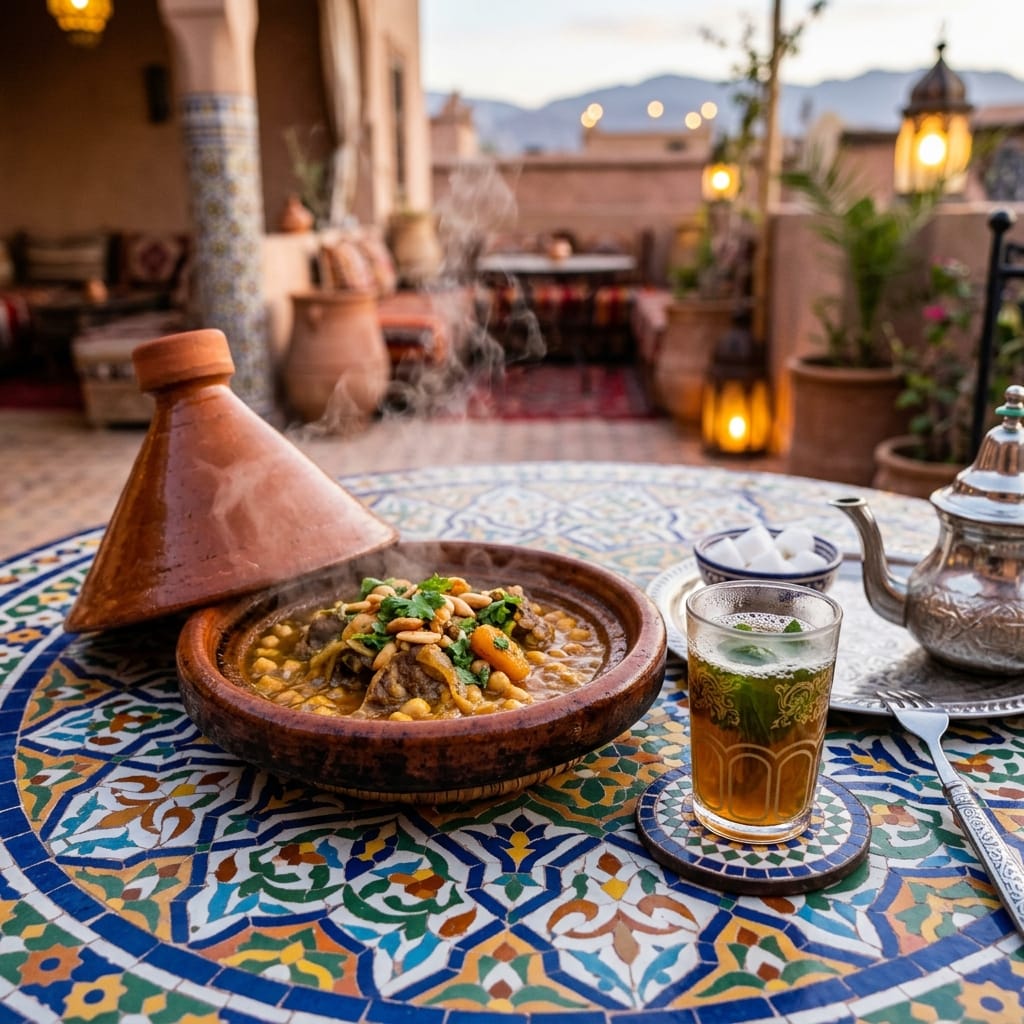
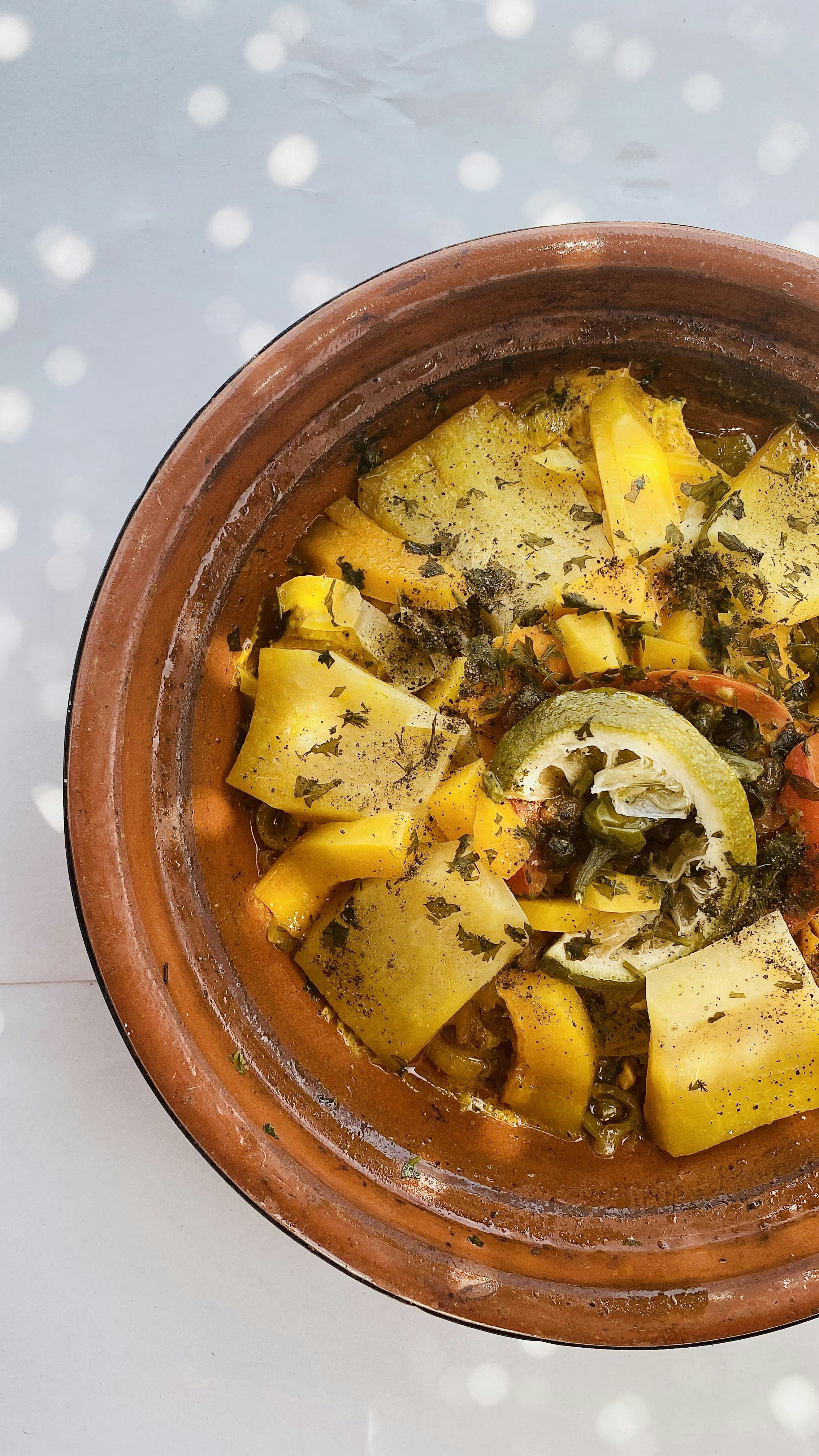
Tagine, named after the earthenware pot in which it is cooked, is a slow-cooked stew that combines meat (often chicken or lamb) with a variety of vegetables and spices. Common ingredients include olives, preserved lemons, and a medley of spices such as cumin, coriander, and saffron. The cooking method allows the flavors to meld beautifully, resulting in a dish that is both savory and aromatic. Traditionally, Tagine is enjoyed communally, with diners using pieces of bread to scoop up the stew.
Couscous, often considered Morocco’s national dish, consists of small granules of semolina wheat steamed and served with a rich broth that contains meats and vegetables. The preparation is a labor-intensive process that highlights the communal aspect of dining in Moroccan culture. Couscous is typically accompanied by a variety of toppings, including chickpeas, raisins, and various spices, enhancing its flavor profile. It is often served during special occasions and family gatherings, symbolizing hospitality and togetherness.
Pastilla is a savory pie that elevates the Moroccan culinary experience through its sophisticated layering of flavors. Traditionally filled with spiced pigeon or chicken, combined with almonds and eggs, it is encased in flaky pastry, often dusted with powdered sugar and cinnamon before serving. This dish is a testament to Morocco’s Moorish influences and is often prepared for celebrations and festive events, showcasing the intricate balance between sweet and savory in Moroccan cooking.
Traditional Moroccan Spices and Their Uses
Moroccan cuisine is renowned for its vibrant flavors and aromatic dishes, primarily attributed to an array of traditional spices. These spices not only enhance the taste of food but also offer various health benefits that are integral to Moroccan culture. Among the most prominent spices are saffron, cumin, cinnamon, and harissa, each contributing uniquely to the culinary landscape of Morocco.
Saffron is one of the most sought-after spices globally and is often regarded as the jewel of Moroccan cooking. Its distinct golden hue and delicate flavor elevate dishes such as tagines and rice, providing not only a luxurious taste but also potential health benefits, including antioxidant properties and mood enhancement.
Cumin, another essential spice in Moroccan kitchens, adds a warm, earthy flavor to numerous recipes. It is frequently used in spice blends like ras el hanout and accompanies dishes such as couscous and lentil soups. Beyond its culinary applications, cumin is recognized for its digestive benefits and role in boosting immunity, making it a favorite among health-conscious cooks.
Cinnamon, known for its sweet and spicy profile, is often used in both savory and sweet Moroccan preparations. It finds its way into tagines, pastries, and even Moroccan mint tea, illustrating its versatility. In addition, cinnamon is celebrated for its anti-inflammatory properties and ability to help regulate blood sugar levels, appealing to those seeking holistic health benefits.
Lastly, harissa is a fiery chili paste that adds depth and heat to various Moroccan dishes. It is typically made from roasted red peppers, spices, and herbs, making it a flavorful component in stews and marinades. The spice level of harissa can enhance metabolism and provide a robust, piquant flavor that characterizes Moroccan cuisine.
Moroccan Street Food: A Taste of Local Culture
Street food in Morocco offers an exciting glimpse into the country’s vibrant culture and culinary diversity. From bustling markets to lively street corners, local vendors serve up a variety of delicious snacks and meals that are not only accessible but also deeply rooted in the traditions of Moroccan society. Among the many offerings, kebabs stand out as a favorite among both locals and visitors. These skewered meats are often seasoned with a blend of spices, grilled to perfection, and served with flatbreads and fresh vegetables.
Another noteworthy street food item is B’stilla, a unique pie that marries sweet and savory flavors. Traditionally made with pigeon or chicken, the dish is encased in layers of paper-thin dough, dusted with powdered sugar and cinnamon, illustrating the Moroccan practice of balancing contrasting tastes. B’stilla is often available at street stalls during special occasions or festivals, making it a true delicacy worth seeking out.
Sfenj, or Moroccan doughnuts, further showcases the street food rich tapestry. These deep-fried pastries are crispy on the outside and soft on the inside, typically enjoyed with a sprinkle of sugar or drizzled with honey. They are frequently sold by street vendors in markets, drawing crowds eager to sample the delightful treat, often paired with a cup of sweet mint tea.
The communal culture surrounding Moroccan street food dining is as vibrant as the dishes themselves. Families and friends often gather to share meals, transforming street food consumption into a social affair. Street vendors also foster a sense of community, inviting passersby to engage and share experiences while delighting in the rich flavors Morocco has to offer.
The Role of Hospitality and Meals in Moroccan Culture
Hospitality is a cornerstone of Moroccan culture, deeply ingrained in the traditions and everyday practices of its people. It serves not only as a means of welcoming guests but also as an expression of generosity and community spirit. In Morocco, sharing meals is not merely about nourishment; it is an integral part of social interaction and cultural identity.
Meals are often communal experiences where family and friends gather around a shared table or low platter. A traditional Moroccan meal typically features a variety of dishes, with tagines, couscous, and fresh bread being staples. The act of dining together fosters connections and strengthens bonds, reinforcing the importance of family and friendship in Moroccan society. It is customary for hosts to prepare an abundance of food, ensuring that every guest feels well-fed and valued.
In terms of dining etiquette, meals are often enjoyed in a communal style, where participants use their right hand to eat directly from the shared dish. This practice is not only a reflection of the cultural significance of togetherness but also emphasizes the informal and relaxed nature of Moroccan dining. The absence of cutlery hones the sensory experience, encouraging diners to engage more closely with the food and one another.
The preparation and presentation of the meal are equally important aspects, as they showcase the host’s skills and the richness of Moroccan cuisine. It is not uncommon for guests to be invited to participate in the cooking process, making it an inclusive affair that adds to the communal atmosphere.
Overall, the role of hospitality in Moroccan culture is profound, with shared meals acting as a catalyst for social engagement and community cohesion. It encapsulates the essence of Moroccan life, where food, goodwill, and friendship intersect to create a warm and inviting environment for all.
Festive Foods in Moroccan Celebrations
Moroccan cuisine is deeply intertwined with its cultural celebrations, offering a diverse array of festive foods that highlight the country’s rich culinary heritage. During major festivities such as Eid al-Fitr and Eid al-Adha, families come together to prepare and share special dishes that showcase both traditional flavors and communal bonds. One of the hallmark dishes of Eid is the lamb tagine, which is often slow-cooked with aromatic spices such as saffron, cinnamon, and cumin. This dish not only symbolizes festivity but also represents the spirit of generosity and sharing inherent to these occasions.
Weddings in Morocco are lavish affairs and feature an impressive spread of culinary delights. A signature dish frequently served at weddings is rfissa, a chicken and lentil dish ideally accompanied by a flaky bread called msemmen. The meal is not only a tribute to the bride and groom but also acts as a gesture of hospitality towards guests who come to celebrate the union. Traditional sweets, such as briouates—delicate pastries filled with almonds and spices—are commonly enjoyed and reflect the sweetness of marital bliss.
Family gatherings also serve as an opportunity to indulge in festively prepared foods. Dishes like couscous, often adorned with vegetables and meats, hold a central place at these occasions, showcasing the Moroccan tradition of communal dining. The ritual of sharing these meals fosters a sense of togetherness and deepens familial ties, highlighting the importance of food in social traditions. Each crafted dish, whether served during a festival, a wedding, or a family event, stands as a testament to Moroccan culture, illustrating how food not only nourishes the body but also the spirit of celebration.
Cooking Techniques Unique to Morocco
Moroccan cuisine is renowned for its vibrant flavors, which are often achieved through traditional cooking techniques that have been passed down through generations. One of the most iconic methods is the use of a tagine. This conical-shaped earthenware pot is not only a cooking vessel but also an integral part of the dining experience. The design allows for slow cooking, which helps to seal in flavors and moisture, resulting in tender meats and rich sauces that are characteristic of Moroccan dishes. Ingredients are layered within the tagine, often starting with root vegetables followed by marinated meats and aromatic spices, creating a complex depth of flavor.
In addition to the tagine, another staple method prevalent in Moroccan kitchens is the preparation of couscous. Traditionally, couscous is made from semolina flour and requires a hands-on approach to prepare properly. The grains are steamed multiple times in a special vessel called a couscoussier, allowing the couscous to absorb the flavors from the steaming vegetables and meats. This technique not only enhances the taste but also maintains the distinct texture that defines fluffy, tender couscous.
Moreover, the use of open fires is a common practice in Morocco, especially in rural areas. Cooking over an open flame allows for a unique smoky flavor that cannot be replicated using modern appliances. Grilling meats and vegetables over wood embers is a time-honored technique that reflects the traditional lifestyle and communal gatherings associated with Moroccan culture. This method also encourages the use of seasonal ingredients, as cooks adapt their recipes to feature the freshest local produce.
Through these distinctive cooking techniques—slow cooking in tagines, crafting couscous from scratch, and utilizing open fires—Moroccan cuisine not only preserves cultural heritage but also enhances the flavors of the dishes served, creating a culinary experience that is both rich and diverse.
Conclusion and Where to Experience Moroccan Food
Moroccan cuisine offers a remarkable tapestry of flavors, colors, and culinary traditions that reflect the country’s rich heritage. The harmony of spices like cinnamon, saffron, and cumin in traditional dishes illustrates the diverse cultural influences that have shaped Moroccan food over centuries. From the iconic tagines to the aromatic couscous and the sweet, flaky pastries, each dish tells a story, inviting food enthusiasts to explore the culinary depths of this North African gem.
Visitors seeking to truly savor the richness of Moroccan food can find authentic dining experiences at Moroccan restaurants worldwide. These establishments often strive to replicate the warmth and vibrancy found in Morocco, providing an immersive experience through decor and hospitality that leaves diners feeling connected to the culture. Many Moroccan restaurants offer traditional performances, such as music or belly dancing, enhancing the overall experience and transportive quality of dining.
For those enthusiastic about taking a more hands-on approach, many culinary classes specialize in teaching traditional Moroccan recipes. These workshops typically include a visit to local markets to source fresh ingredients, followed by sessions in which participants can learn the ins and outs of creating classic Moroccan dishes. This unique opportunity allows food lovers to engage with the flavors and techniques that define this cuisine, creating lasting memories and skills that can be applied at home.
In conclusion, exploring Moroccan food is about more than just the dishes themselves; it is about embracing a culture rich in history and diversity. Whether through dining at local Moroccan restaurants or crafting recipes within one’s own kitchen, the experience of Moroccan cuisine can be both fulfilling and educational. Therefore, as you venture into the world of Moroccan flavors, you embark on a delightful journey that tantalizes the senses and broadens culinary horizons.